
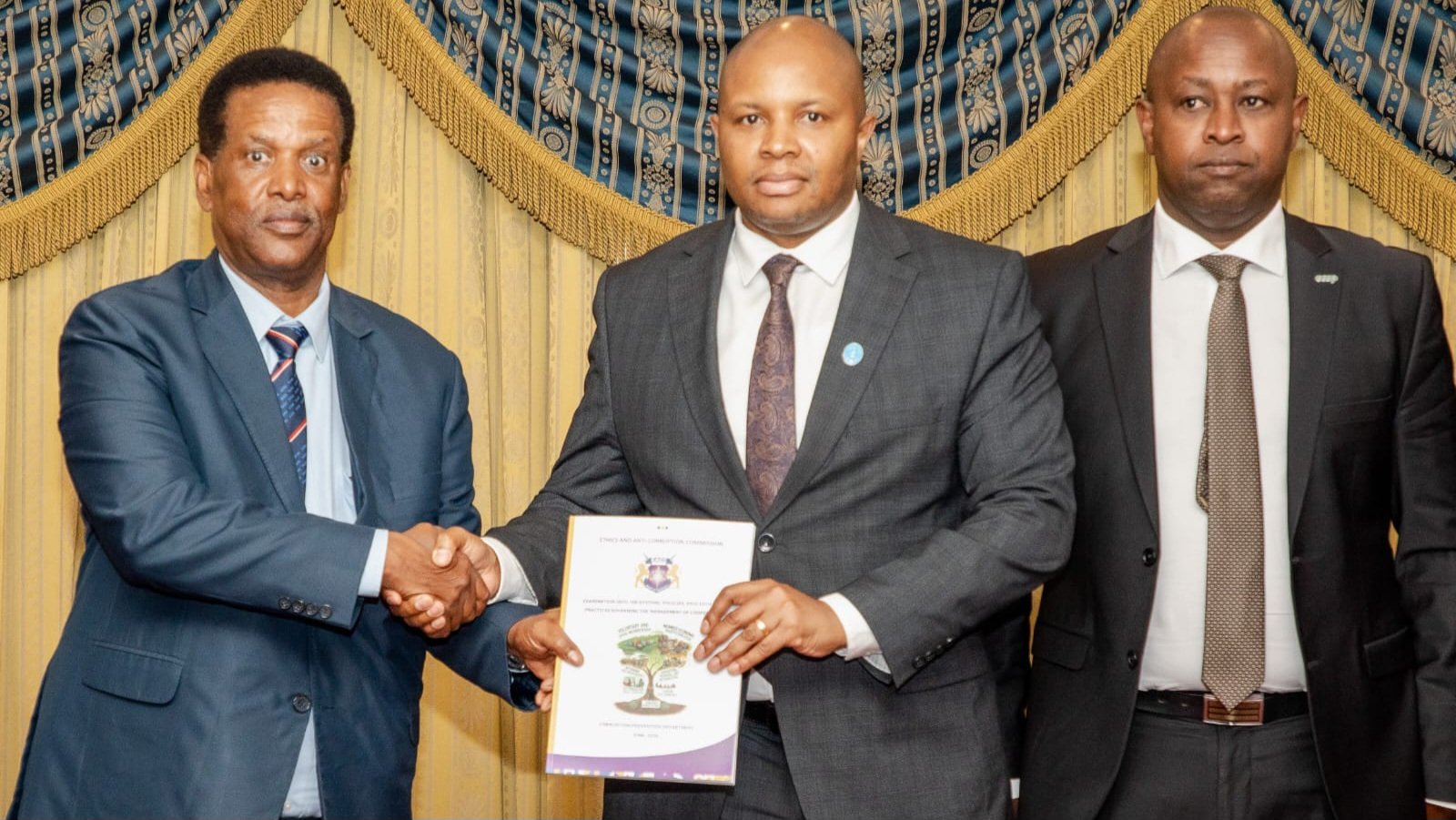

The Ethics and Anti-Corruption Commission (EACC) has handed over a comprehensive report detailing systemic weaknesses in the cooperative sector to state officials. Executives from the anti-graft agency presented the document to representatives of the State Department for Co-operatives during an official session.
Officials revealed that the examination focused on evaluating operational policies, governance frameworks, and internal controls across institutional structures. The assessment aimed to pinpoint procedural loopholes that increase vulnerability to financial mismanagement, fraud, and administrative failure.
Strengthening oversight in the cooperative movement remains a priority for economic stability in Kenya. Cooperative societies manage substantial capital reserves contributed by millions of individual members, particularly across agricultural, housing, and financial credit institutions nationwide.
The report outlines targeted recommendations designed to assist the ministry in closing procedural loopholes. Institutional leaders noted that tightening internal procedures remains key to safeguarding member funds and restoring accountability across registered societies.
Executive leadership from both the ministry and the commission attended the handover event. Representatives confirmed that joint implementation plans will follow to ensure identified weaknesses are systematically addressed.
Public interest in cooperative governance has grown as sector regulators push for stronger statutory compliance. Operational reforms are expected to enhance institutional accountability, improve service standards, and protect member assets from potential administrative abuses.
The findings form part of broader preventative measures carried out by state agencies to eliminate corruption across public institutions. Further technical engagements between the commission and the department will guide subsequent policy adjustments.
Comments (0)
Leave a Comment
No comments yet. Be the first to share your thoughts!