

The most consequential shift in Nairobi's property market in 2026 has nothing to do with interest rates, building codes or the Housing Levy. It has to do with where the buyers are sitting when they sign.
Diaspora Kenyans, those living and working in the United Kingdom, United States, Canada, Australia and the Gulf states, have become one of the most active and well-capitalised buyer segments in Kenya's real estate market. Their influence is now shaping what gets built, where it gets built and at what price point developers choose to enter.
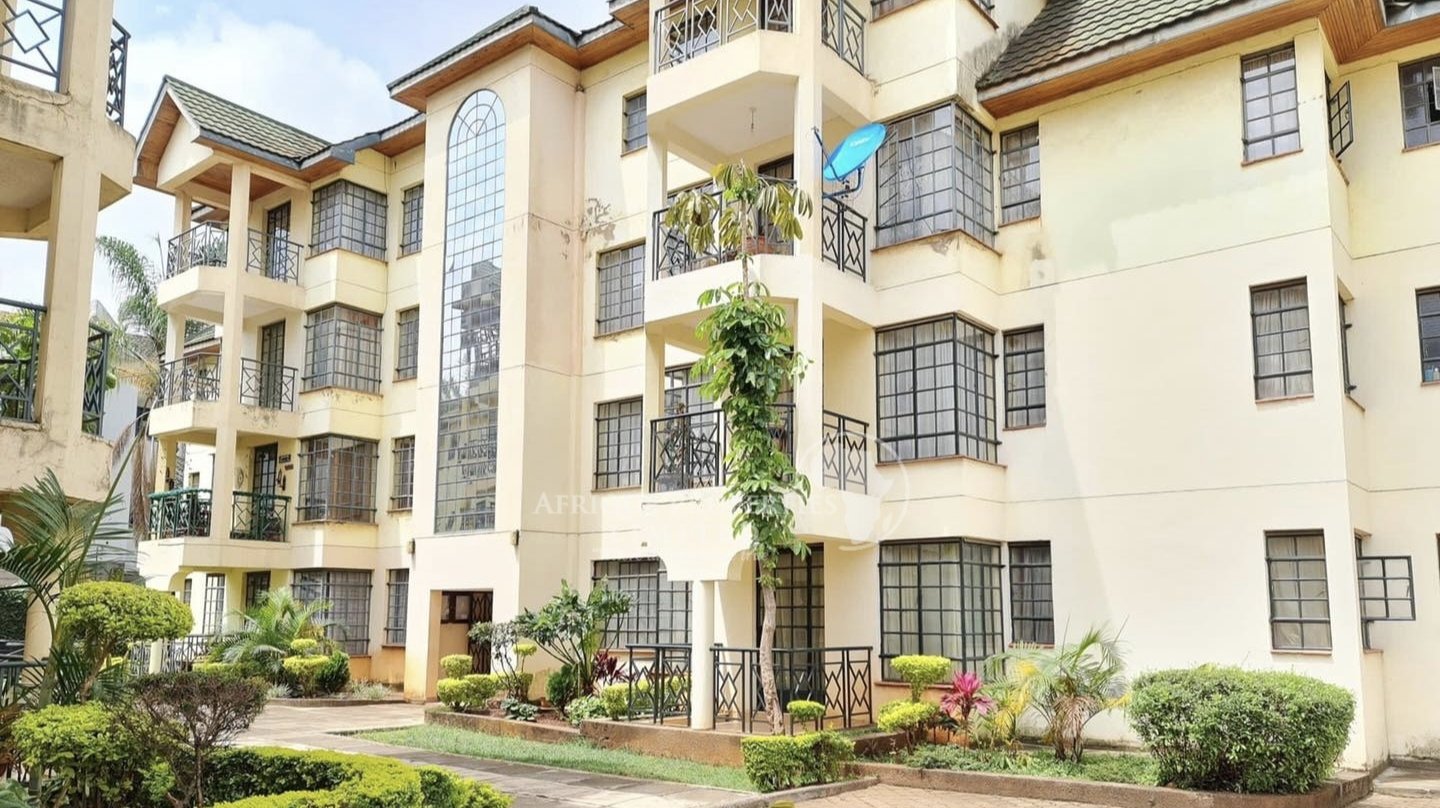
The arithmetic is straightforward. A Kenyan earning in US dollars, British pounds or UAE dirhams and buying property in Nairobi is operating with a structural currency advantage. A solid two-bedroom apartment in a managed development in Kilimani, Kileleshwa or Parklands sits in the Ksh 8 million to Ksh 15 million range, equivalent to roughly USD 62,000 to USD 116,000 at current exchange rates.
Compare that to what equivalent money buys in London, New York or Toronto, and the value proposition is immediate. The same capital that struggles to secure a one-bedroom flat in a mid-tier London borough buys a fully managed, appreciating two-bedroom asset in one of Nairobi's most established residential neighbourhoods.
Kenya's diaspora remittances hit record highs in 2025, and a growing share of those inflows is going directly into property rather than family support. Developers have noticed. Digital purchase platforms, virtual site tours, escrow account options and installment-based payment structures have all proliferated in direct response to diaspora demand. The buyer who cannot visit the site, cannot sit across from the developer and cannot physically inspect the title deed needs a different product architecture than the buyer who can. The market has built that architecture.
The preference pattern among diaspora buyers is also shifting the geography of Nairobi's development pipeline. High-net-worth diaspora investors are increasingly opting for low-density developments, detached homes and larger suburban plots in areas like Tatu City, Karen, Runda and the expanding satellite towns of Ruiru, Kitengela, Juja and Syokimau. These locations offer what the diaspora buyer, often returning mentally if not yet physically, actually wants: space, security, infrastructure and a sense of community that dense Nairobi apartment blocks have not always delivered.
Property sale prices across Nairobi rose 8.2 percent year on year in 2025, driven largely by demand in the detached housing and suburban land segments. That growth sits alongside a softening in high-end rental markets in Gigiri, Karen and Muthaiga, where reduced corporate leasing and expatriate downsizing have created oversupply. The two trends together suggest a market increasingly shaped by owner-occupiers and long-term investors rather than speculative rental plays.
Mortgage rates lingering between 14 and 16 percent continue to squeeze local buyers, pushing the market further toward cash and installment purchases. For the diaspora buyer earning in hard currency, the mortgage question barely applies. They are among the few segments in the market operating outside the constraints that is blocking everyone else.
The ArdhiSasa platform, Kenya's digital land registry, processed the majority of Greater Nairobi land transactions digitally by the end of 2025, a reform that has directly reduced the friction of buying from abroad. Title searches, transfers and land rent payments that previously required physical presence can now be completed remotely. That single infrastructure change has made the diaspora buyer more viable and more dominant than at any previous point in Kenya's property history.
For developers still designing primarily for the local salaried professional, the risk is being left behind by a buyer who has better currency, better digital access and a stronger long-term attachment to the asset than almost anyone else in the market.
Comments (0)
Leave a Comment
No comments yet. Be the first to share your thoughts!