

A version of this article appeared on LinkedIn by Patrick Mwangi.
Delays in construction projects are often treated as normal within the industry, yet they carry major financial and operational consequences. Whether an investor is building a family home or developing a commercial property, time directly affects the final cost.
In an ideal scenario, a standard building project may take an average of one and a half years, when the defects liability period is included. Many homeowners assume this is a long duration, but even a basic three-bedroom bungalow can experience severe disruptions.
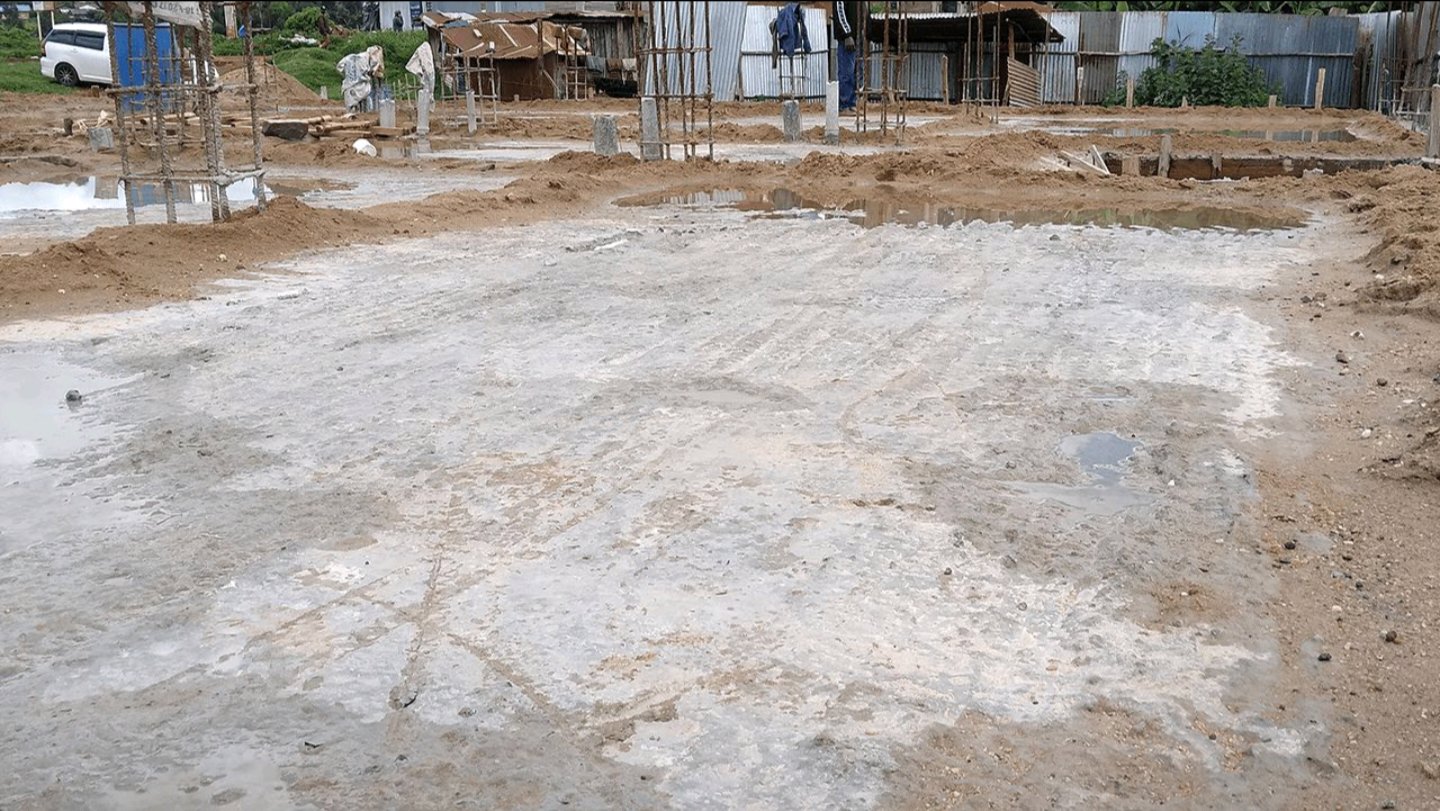
The structural works for a bungalow are possible within three months. Despite this brief technical window, many such developments stall for over a year, because structural completion is only a small part of the lifecycle.
Most project delays begin during the design stage. An architect may face pressure to deliver drawings within an unrealistic timeframe, leaving little room for thorough technical coordination, and detailed design review. The rest of the design team follows suit, which creates gaps.
When planning is rushed, errors inevitably slip through to the construction phase. These early mistakes lead to poor coordination on site, where sub-contractors find that structural dimensions do not align with plumbing or electrical layouts.
Workforce turnover creates inconsistent workmanship, leading to repetitive corrections. When skilled laborers leave a site mid-stream, new workers must adjust, which frequently results in costly mistakes that require tearing down completed sections.
At the same time, material prices continue fluctuating. In Kenya, the volatile costs of cement, steel, and fuel make budgeting unpredictable, with the additional financial burden ultimately transferred to the client.
For income-generating developments such as apartments, delayed completion directly affects profitability. Every month a project stalls represents lost rental revenue, while overhead expenses like security and equipment hire continue to pile up.
This is why professional construction management is important during execution. When experienced managers oversee a site, risks are identified early, delays reduced, and accountability maintained throughout the lifecycle.
According to Patrick Mwangi, the Chief Executive Officer (CEO) of Rickfes Construction Ltd, active management is vital to protect investments. His firm emphasizes that structured oversight prevents minor scheduling slips from snowballing into multi-year delays.
In Kenya, standard contracts like the Joint Building Council (JBC) form outline specific timelines for handovers. However, without strict administrative enforcement, these clauses rarely protect developers from prolonged extensions.
Ultimately, avoiding prolonged timelines requires realistic expectations from the outset. Rushing the design phase to save a few weeks often results in losing months during actual execution, as uncoordinated drawings meet reality on the ground.
Comments (0)
Leave a Comment
No comments yet. Be the first to share your thoughts!