
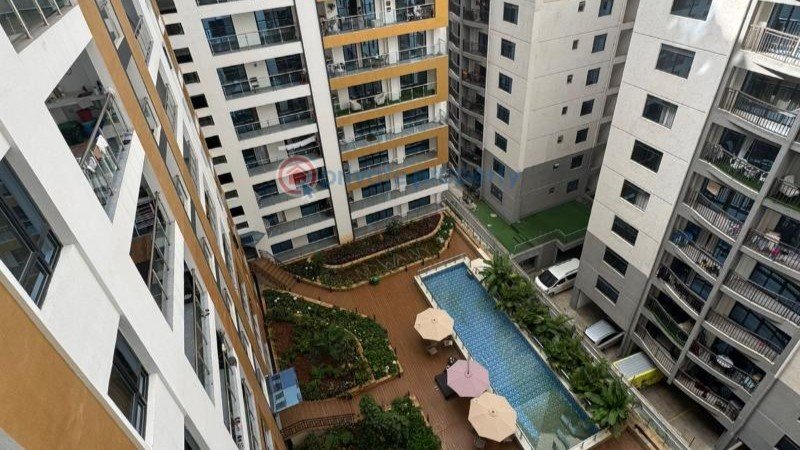

For generations, land has been the preferred store of wealth for many Kenyan families. Plots on urban fringes were often viewed as long-term assets that could be sold when financial need arose. That trend is now facing competition from a different form of property investment.
An increasing number of young Kenyan professionals are opting to buy apartments instead of land, according to real estate experts interviewed by Business Daily. The shift is being driven by a combination of investment returns, financing options, lifestyle preferences and changing market conditions.
Johnson Denge, a real estate expert, says apartments currently offer advantages that appeal to younger buyers. He points to an oversupply of units in some parts of the market, which has created favourable conditions for purchasers.
According to Mr Denge, apartments also benefit from Nairobi's large tenant population. This creates opportunities for investors seeking rental income, whether through traditional leases or the growing short-stay accommodation market. Platforms offering short-term rentals have further expanded the appeal of apartment ownership.
The appeal extends beyond income generation. Apartments are often located close to amenities, can be managed by professional property managers and are generally ready for occupation immediately after purchase.
Mr Denge also attributes the shift to broader behavioural changes. Social media has made property information more accessible, while extensive listings allow buyers to compare options more easily than in previous years. Relaxed planning regulations have also contributed to increased apartment supply in some areas.
Price remains a key consideration. Mr Denge estimates apartment costs range from about Sh70,000 per square metre in lower-priced markets and satellite towns to roughly Sh200,000 per square metre in prime locations such as Westlands. Studio apartments can be found from around Sh1.8 million, while most first-time buyers remain focused on units valued below Sh10 million.
Financing has also influenced purchasing decisions. Mr Denge cites facilities supported by the Kenya Mortgage Refinance Company, which offer single-digit interest rates and repayment periods of up to 25 years, as an important factor supporting apartment purchases.
The strongest demand is being recorded along established residential corridors and emerging satellite towns. Areas attracting buyer interest include Mombasa Road, Ngong Road, Lang'ata, Ruaka, Kiambu Road and Kabete.
Yet property specialists caution that enthusiasm for apartment ownership should not replace careful due diligence. Prudence Mwende, an advocate and property conveyancing specialist, says many buyers fail to adequately examine title documents, approvals and ownership structures before committing to a purchase.
She notes that buyers must understand whether they are acquiring a sectional title, lease or sub-lease, as each arrangement carries different rights and obligations. The distinction has become increasingly important following implementation of the Sectional Properties Act, 2020, which provides greater clarity on apartment ownership structures.
Ms Mwende also urges caution when purchasing off-plan units. She advises buyers to review a developer's delivery record and closely examine agreements covering construction timelines, payment schedules and remedies in the event of delays.
Despite growing interest in apartments, experts say land continues to hold value as a long-term investment. Mr Denge notes that land has historically delivered strong appreciation in several markets while requiring relatively low maintenance costs. Apartments, meanwhile, provide the possibility of regular income streams. Ultimately, he argues, the choice depends on an investor's objectives rather than a simple preference for one asset class over another.
Comments (0)
Leave a Comment
No comments yet. Be the first to share your thoughts!