

A version of this article originally appeared in the addisstandard.com .
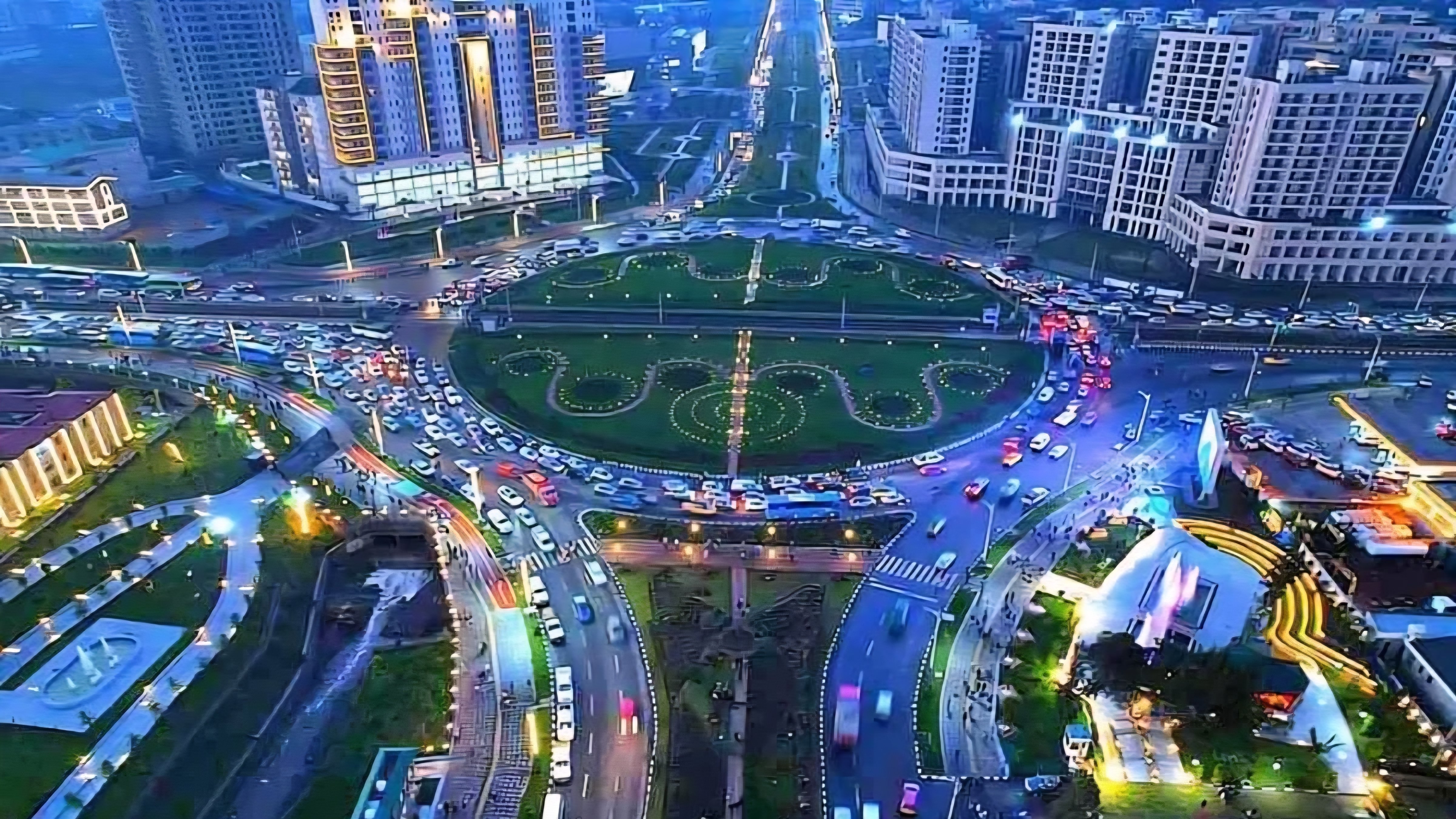
The rapid transformation of Addis Ababa’s urban landscape under the Corridor Development Project has become a focal point for debate regarding the Ethiopian government's fiscal and social priorities. While the administration of Prime Minister Abiy Ahmed characterizes the massive demolition and reconstruction efforts as a necessary evolution toward a modern "smart city," critics and urban planners are raising concerns over the human cost and the potential imbalance in national infrastructure spending.
The initiative involves the large-scale removal of older structures, including historical buildings and established businesses, to make way for wide boulevards, cycling paths, and green spaces. In the Piassa district alone, significant portions of the neighborhood have been cleared, leading to the displacement of thousands of residents. These individuals are frequently relocated to peripheral areas like Lemi Kura, where they face long commutes and a lack of established social infrastructure. The speed of these demolitions has left many residents with little time to salvage belongings or secure new livelihoods, creating a sense of instability within the city's older communities.
From a technical standpoint, the focus on urban aesthetics is viewed by some economists as a distraction from more pressing national needs. Ethiopia currently faces significant challenges with its regional road networks, which are essential for the movement of agricultural goods and international trade. Maintenance of these rural and intercity routes has reportedly slowed as resources are diverted toward the capital. The imbalance suggests a shift toward prestige projects that prioritize the visual appeal of the seat of government over the functional requirements of a developing economy.
The financial underpinnings of these projects also remain a subject of intense discussion. With Ethiopia navigating a complex debt restructuring process and high inflation, the allocation of billions of birr toward park developments and streetscapes is being questioned. While the government maintains that these projects create jobs and enhance the city's status as a diplomatic hub, skeptics argue that the investment does not yield the same long-term economic returns as industrial parks or energy infrastructure.
Urban planners have noted that the "top-down" approach to these developments often bypasses traditional consultative processes. The lack of public transparency regarding the total cost and the selection criteria for specific corridors has fueled perceptions that the projects are driven more by political vision than by community need. Furthermore, the environmental impact of such rapid demolition is significant, as the destruction of existing building stock generates immense amounts of waste and requires high carbon inputs for new construction.
Historical preservationists have specifically highlighted the loss of heritage in districts like Piassa. These areas represented the architectural history of early 20th-century Addis Ababa, and their removal is seen as an erasure of the city’s unique identity in favor of a homogenized, globalized urban aesthetic. The tension between modernization and preservation remains unresolved, as the government continues to prioritize the rapid completion of its "makeover" agenda.
As the Corridor Development Project expands to other parts of the city, the long-term social consequences of large-scale displacement are becoming more apparent. The fragmentation of tightly knit communities can lead to a loss of informal safety nets that the urban poor rely on for survival. If the government does not address the gap between its vision for a modern metropolis and the practical needs of its most vulnerable citizens, the shiny new corridors may stand as symbols of exclusion rather than progress.
The situation in Addis Ababa serves as a case study for other developing nations, balancing rapid urbanization with fiscal restraint. Whether these urban makeovers will lead to genuine economic development or simply create an aesthetic facade remains a critical question for Ethiopia's future. For now, the dust from the demolitions in the capital continues to settle, leaving behind a city that is physically transformed but socially unsettled.
Comments (0)
Leave a Comment
No comments yet. Be the first to share your thoughts!