
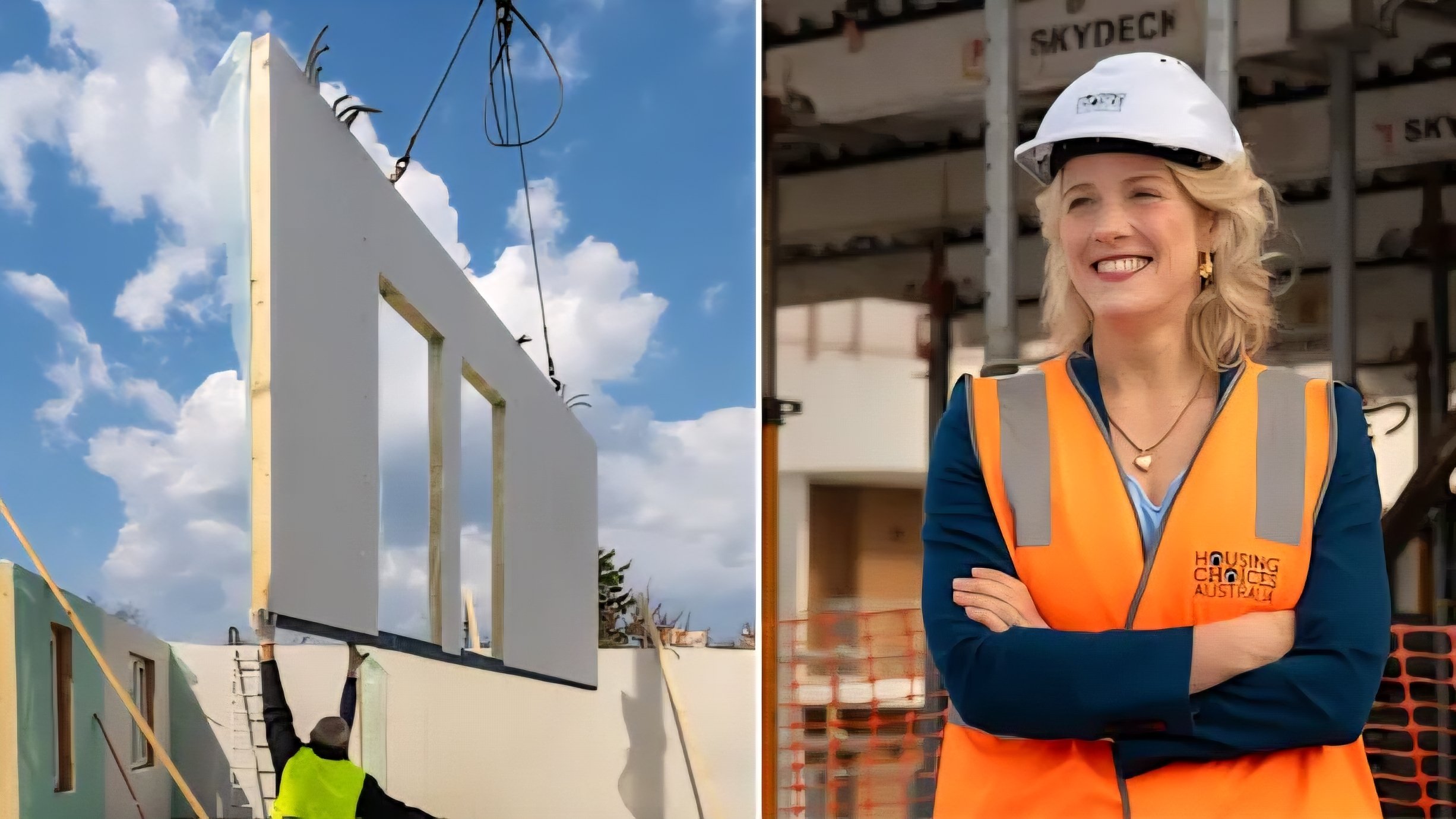

Australia is backing alternative building technologies with a new 39 million dollar funding allocation for flat-pack and prefabricated housing systems. The financial commitment follows substantial market decisions by major domestic companies looking to lower construction costs and compress project delivery timelines.
The country is increasingly reviewing European structural systems, seeking modern and alternative ways to assemble housing stock. High conventional material prices and persistent labor shortages continue to place pressure on local residential development pipelines.
Industry indicators show that off-site prefabricated assembly methods can significantly reduce onsite construction hours. Structural insulated panels and factory-engineered timber frames are moving into mainstream project procurement channels across the Australian residential sector.
Hardware retailer Bunnings and Commonwealth Bank of Australia (CBA) have initiated structural programs supporting modular residential methods. These corporate realignments are driving broader public sector funding into alternative industrialised building techniques.
The active rollout of these modern prefabrication technologies, illustrating a heavy mobile crane positioning an engineered wall panel complete with pre-installed window frames at a live residential construction site.
Traditional brick-and-mortar building practices face ongoing structural constraints, forcing corporate financiers to rethink traditional risk management profiles. Banking entities are establishing targeted lending frameworks specifically tailored for non-traditional modular projects.
Factory-controlled manufacturing environments limit material waste and minimize weather-related delays on site. These performance factors are making prefabricated building envelopes more attractive to large-scale developers handling dense urban infill projects.
Government funding will specifically support local manufacturing facilities capable of producing standardized flat-pack structural components. Policymakers hope the targeted capital injection stabilizes local supply chains and lowers the entry cost for first-time home buyers.