
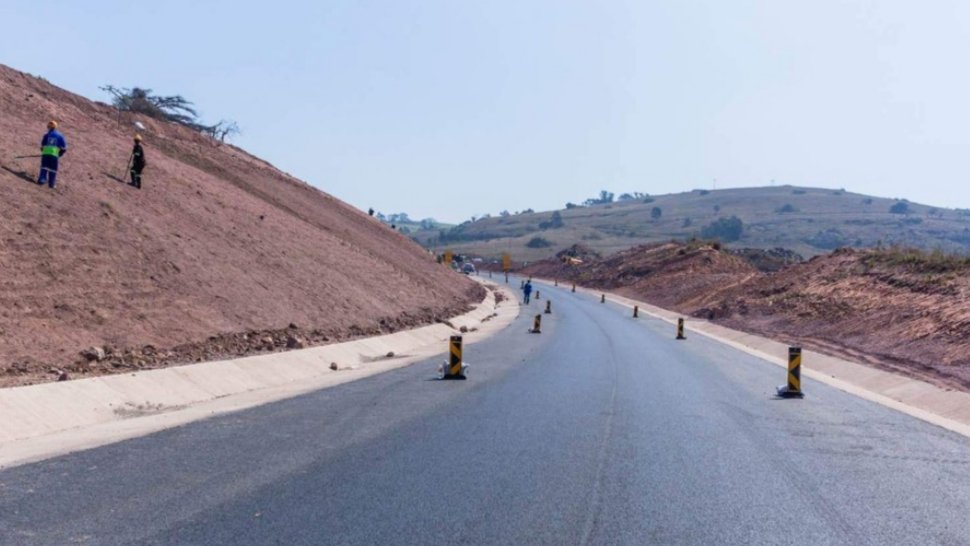

East Africa could soon witness one of its most important cross border infrastructure developments in recent years following Ethiopia’s decision to finance and help construct a major highway connecting western Ethiopia to northeastern South Sudan. The proposed 220 kilometer road corridor is expected to improve regional trade, strengthen transport networks, and open up new economic opportunities for communities on both sides of the border.
The project, however, cannot move forward without key commitments from South Sudan. Authorities in Juba must first guarantee Right of Way access along the corridor and provide enough security to allow construction activities to proceed safely.
For the construction industry across East Africa, the highway represents far more than just another road project. It highlights the growing shift toward regional cooperation and African driven infrastructure financing at a time when many governments are struggling to secure traditional funding for major developments.
Under the agreement, Ethiopia is expected to provide approximately $738 million in financing to South Sudan for the construction works. Instead of conventional repayment methods, the deal will largely rely on South Sudan’s crude oil resources. The repayment period is set at ten years, with a five year grace period before repayments officially begin.
This arrangement gives South Sudan time to benefit from the economic impact of the highway before loan repayments start. It also demonstrates how African nations are increasingly exploring resource backed financing models to support infrastructure growth.
Reports indicate that Ethiopian contractors and consultants will play a leading role in the design and construction process. This is significant because it promotes regional expertise, creates employment opportunities, and keeps a larger share of project investment within East Africa. It also reflects the increasing capacity of African engineering firms to deliver large scale infrastructure projects.
The road itself will connect Paloch in South Sudan’s Upper Nile region through Guelguk, Mathiang Maiwut, and Pagak before linking directly to Ethiopia’s Gambella region. Once completed, the highway is expected to become an important transport and trade route between the two countries.
From an engineering perspective, the project will involve extensive earthworks, grading, drainage installation, bridge construction, and asphalt paving. Contractors are also expected to deal with difficult terrain and seasonal weather challenges, especially during rainy periods when movement in some parts of the corridor becomes difficult.
Heavy machinery including excavators, graders, rollers, dump trucks, and paving equipment will be central to the construction phase. Large scale logistics operations will also be required to move fuel, materials, and equipment across remote sections of the corridor.
One of the biggest issues that must be addressed before construction begins is the Right of Way process. South Sudan will need to handle land acquisition, compensation for affected communities, and corridor boundary demarcation efficiently to avoid delays once contractors arrive on site.
Security will also play a major role in determining how quickly the project progresses. Construction crews, engineers, transporters, and suppliers all require a stable and secure working environment. Protecting machinery, fuel depots, workers’ camps, and supply routes will be essential throughout the project period.
Beyond construction, the highway could significantly change trade patterns in the region. South Sudan currently depends heavily on the Port of Mombasa in Kenya for imports and exports, a route that is both long and expensive. By connecting more directly to Ethiopia’s transport network and the Port of Djibouti, South Sudan could access global markets faster and at lower transport costs.
If implemented successfully, the Ethiopia South Sudan highway could become a major symbol of regional integration and infrastructure led economic growth in East Africa. It is a project that many within the construction sector will be watching closely in the coming years.
Comments (0)
Leave a Comment
No comments yet. Be the first to share your thoughts!