
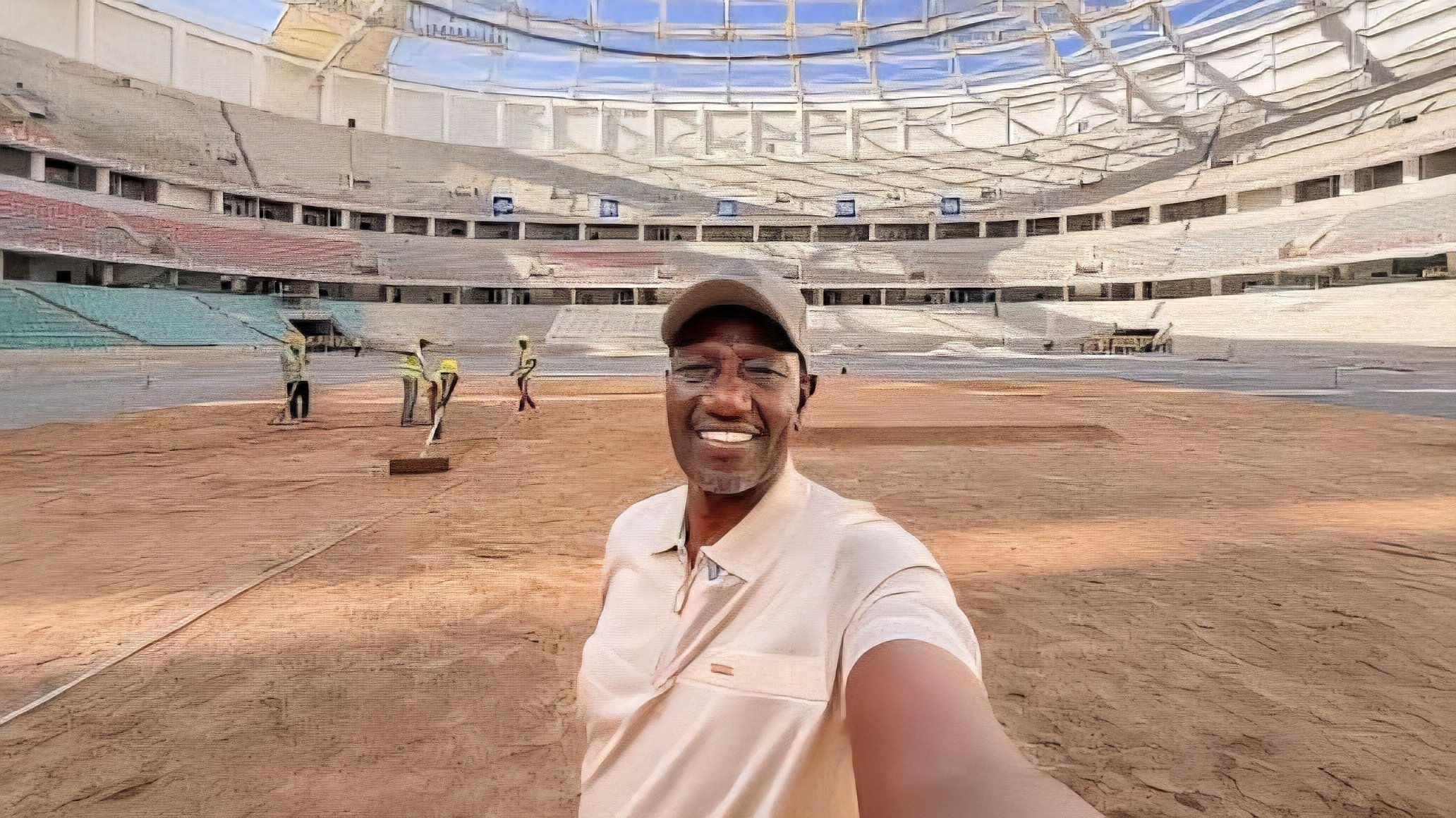

Kenya faces a race against time to retain its status as a host for the 2027 Africa Cup of Nations (Afcon) after the Confederation of African Football (CAF) identified significant deficiencies in the country’s primary sports facilities. In a formal communication, the continental governing body directed Kenyan authorities to address specific infrastructure and safety requirements within a ninety-day window, raising questions about the current pace of construction and renovation works.
The directive follows a series of technical inspections aimed at assessing the readiness of the East African nation, which is set to co-host the prestigious tournament alongside Uganda and Tanzania. While the joint Pamoja Bid was initially celebrated as a milestone for regional integration, the latest CAF assessment highlights that several key sites do not yet meet the rigorous international standards required for high-profile football matches.
At the heart of the concern are the structural and logistical capacities of the nation’s premier sporting hubs. The Moi International Sports Centre, Kasarani, and the Nyayo National Stadium have been undergoing various levels of refurbishment, but inspectors remain unsatisfied with current progress. Safety protocols, crowd management systems, and the quality of playing surfaces are among the primary areas cited for urgent intervention.
The three-month deadline places immense pressure on the Ministry of Sports and the contractors currently on-site. Historically, stadium projects in the region have faced delays due to procurement hurdles and budgetary fluctuations. However, CAF’s latest stance indicates that flexibility is limited. Failure to meet these specific safety benchmarks could lead to the decertification of the venues, which would force Kenya to either find alternative solutions or risk losing the right to host matches.
Beyond the existing venues, the construction of the new Talanta Sports City stadium is under intense scrutiny. This facility, designed as a modern, football-only arena, is intended to be the center-piece of Kenya's Afcon infrastructure. While work has commenced, the tight delivery schedule for such a complex-structure requires around-the-clock man-hours to meet the 2025 completion target set by the government.
Industry experts note that the safety requirements issued by CAF are not merely aesthetic. They involve technical specifications for emergency exits, media facilities, VIP hospitality zones, and advanced lighting systems. These elements are essential for the broadcast of a global event, if the tournament is to attract the expected level of international sponsorship and viewership.
Government officials have previously expressed confidence in meeting the requirements, although this formal warning from Cairo serves as a stark reminder of the technical hurdles ahead. The regional coordination with Uganda and Tanzania also complicates the logistics, as any delay in one host nation impacts the entire tournament schedule.
The next quarter will be a defining period for the local construction sector involved in these projects. Contractors are expected to ramp up activity to ensure that every identified safety loophole is closed. As the 2027 Afcon draws closer, the focus remains firmly on whether the necessary-upgrades can be delivered without compromising on the quality or the safety of the thousands of fans expected to attend.
Comments (0)
Leave a Comment
No comments yet. Be the first to share your thoughts!