
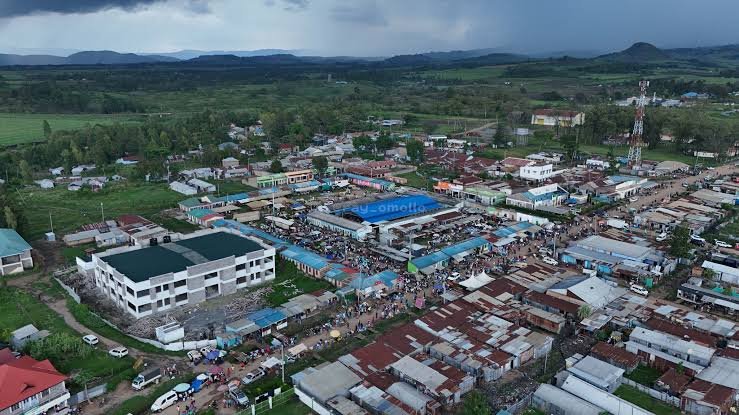

Inclusive growth often begins far from major cities, in rural communities where agriculture, small trade and informal businesses shape daily life. Expanding trade and investment into these areas can strengthen livelihoods, reduce inequality and support national development in ways that urban-focused growth alone cannot achieve. Rural economies remain central to food security, employment and cultural continuity, making them a natural foundation for broad-based progress.
Many rural regions rely on agriculture as their main source of income. Farmers, traders and small-scale producers form supply chains that feed cities and support export markets. Yet these systems often face barriers such as poor infrastructure, limited access to finance and weak market links. When trade routes improve and investment reaches rural producers, productivity can rise, and income opportunities expand across entire communities.
Access to reliable roads and transport is one of the most visible ways investment can change rural economies. When farmers can move produce quickly and at lower cost, they reduce losses and earn better prices. Traders gain access to new markets, and consumers benefit from more stable food supplies. Infrastructure also supports other services, including healthcare, education and communication, creating a cycle where economic and social gains reinforce each other.
Financial inclusion is another key element. Many rural entrepreneurs operate outside formal banking systems, relying on savings groups or informal lending. Expanding access to affordable credit, mobile banking and insurance can help households invest in equipment, manage risks and grow their businesses. When small enterprises have financial support, they are more likely to create jobs and strengthen local supply chains.
Digital connectivity is reshaping rural trade in new ways. Mobile technology allows farmers to check market prices, receive payments and access training from remote areas. Online marketplaces and digital logistics services connect producers directly to buyers, reducing the number of intermediaries. This can increase profits for producers while offering consumers more choice and transparency.
Investment in value addition can also transform rural economies. Instead of selling raw produce, communities can process, package and brand goods locally. This approach keeps more value within the region, creates skilled jobs and builds resilience against price fluctuations. Small processing plants, storage facilities and cooperatives can make a significant difference, especially when supported by training and access to markets.
Education and skills development play a vital role in sustaining rural growth. Young people often leave rural areas in search of better opportunities, leading to skills gaps and aging populations. Training in agribusiness, technology, entrepreneurship and trades can encourage youth to see rural areas as places of opportunity rather than limitation. This shift can help reduce migration pressures while strengthening local economies.
Inclusive growth also depends on fair and transparent market systems. Farmers and small traders need clear information, fair pricing and predictable regulations. Strengthening cooperatives, farmer groups and local associations can improve bargaining power and ensure that producers receive a fair share of profits. When communities have a voice in decision-making, policies are more likely to reflect their needs.
Climate resilience is increasingly important for rural trade and investment. Many rural livelihoods depend on weather-sensitive activities such as farming and livestock keeping. Investment in climate-smart agriculture, water management and renewable energy can reduce risks and support long-term productivity. These efforts not only protect livelihoods but also contribute to national sustainability goals.
Public and private partnerships can accelerate progress by combining resources and expertise. Governments can provide infrastructure, policy support and incentives, while businesses bring innovation, technology and access to wider markets. Development partners and community organizations can help bridge gaps and ensure that investments reach those who need them most.
Inclusive rural growth benefits entire nations. When rural incomes rise, demand for goods and services increases, supporting urban industries and national tax revenues. Balanced development can ease pressure on cities, reduce inequality and create more stable societies. By investing in rural trade and market systems, countries build a broader base for sustainable economic progress.
Expanding trade and investment into rural economies is not only about economic growth but also about fairness and opportunity. When rural communities are connected, supported and empowered, they contribute more fully to national development. Strengthening these regions helps create an economy where progress is shared, and long-term prosperity becomes more achievable for everyone.
Comments (0)
Leave a Comment
No comments yet. Be the first to share your thoughts!