
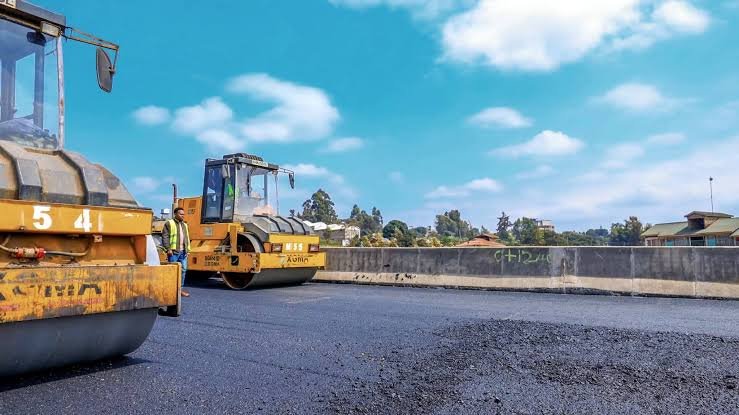

The government is moving forward with the development of the Mau Mau road network, an infrastructure project designed to link five key counties in the central region. The network spans Kiambu, Murang’a, Nyeri, Kirinyaga, and Nyandarua, with the primary objective of enhancing transport efficiency and regional connectivity across the belt.
In Nyandarua County, the impact of the ongoing works is already being felt by the local population. Residents of Githabai report that the current construction progress has significantly improved their ability to reach markets and essential service centers. This infrastructure development has eased the movement of both goods and people, addressing long-standing logistical challenges in the area.
Beyond local transport, the project is serving as a catalyst for broader economic shifts. Community members in Githabai note that the improved accessibility has started to attract outside investors and tourists. These new activities are contributing to a visible increase in economic momentum within the surrounding neighborhoods.
The road project is part of a larger strategy to integrate the agricultural hubs of these five counties with the national supply chain. By reducing travel times and vehicle operating costs, the network aims to provide a more reliable corridor for farmers to transport produce to urban centers.
As work continues, the focus remains on completing the remaining sections to ensure the full 540-kilometer circuit is functional. The government maintains that the project is a priority for rural development, particularly in unlocking the potential of the Aberdare region.
Local leaders have previously emphasized that the road is not just a transport link but a vital piece of infrastructure for the dairy and potato farming sectors. The current phase of construction represents a shift toward finishing the arteries that connect these rural production zones to the main highway systems.
While environmental concerns were raised during the planning stages regarding the sections passing through forest reserves, the current construction footprint follows established routes to minimize ecological disruption. The project remains a central pillar of the infrastructure agenda under President Ruto, who has frequently highlighted the need for completed road circuits to drive bottom-up economic growth.
The progress in Nyandarua serves as a benchmark for the other four counties involved. With the increased flow of traffic and capital, the regional government expects a sustained rise in land value and commercial development along the new tarmac stretches.
Comments (0)
Leave a Comment
No comments yet. Be the first to share your thoughts!