
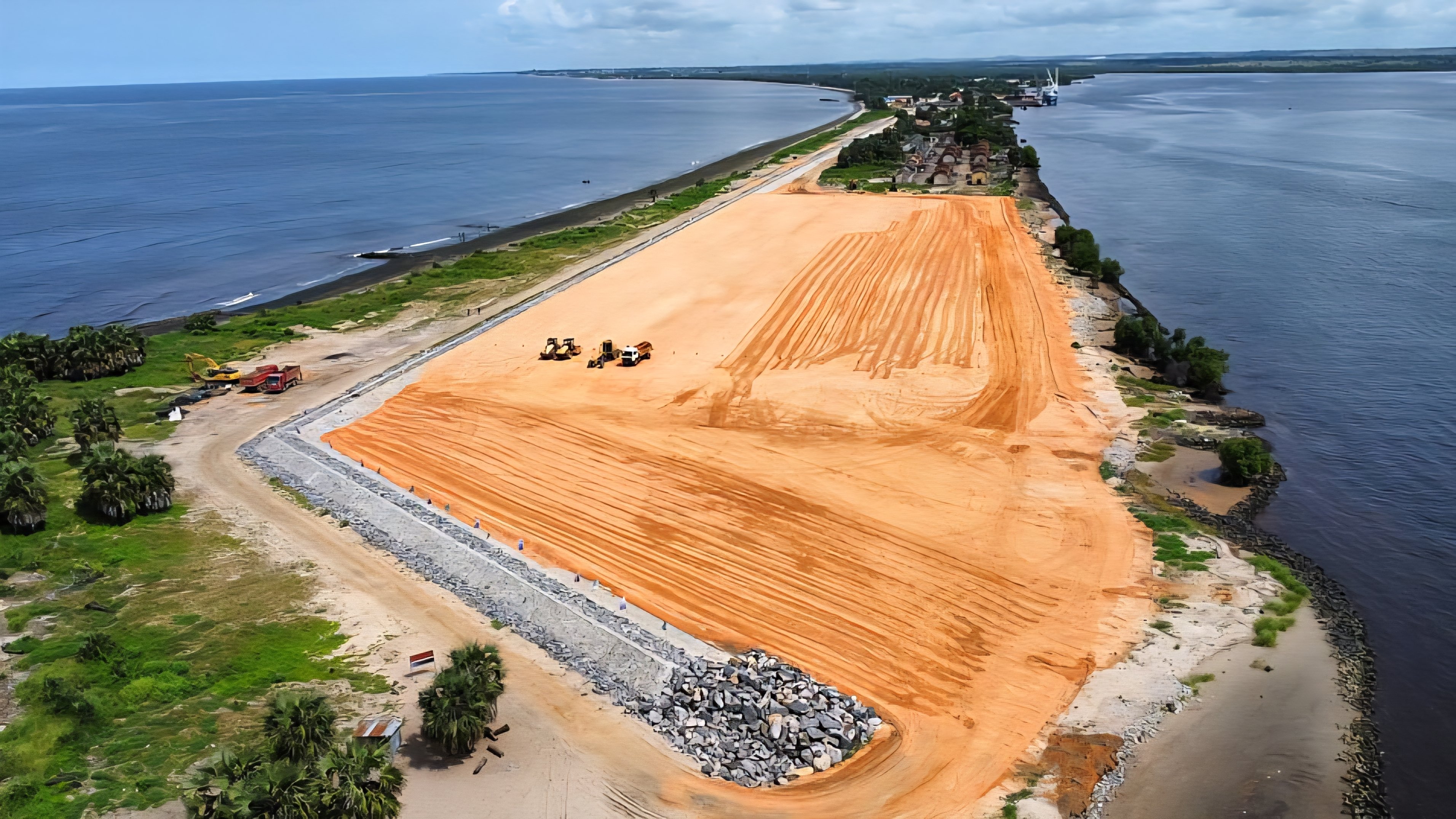

The Democratic Republic of Congo is moving forward with one of its most ambitious infrastructure undertakings to date, the Sakania-Banana Corridor. Spanning 3,300 kilometers, the project is designed to create a direct logistics link between the mineral-rich eastern regions and the Atlantic coast. The total investment for the corridor is estimated at $1.2 billion, with the primary objective of establishing a sovereign trade route that bypasses the need for transit through neighboring countries, as reported by Akech Andrew on the X platform.
Construction is being managed through a joint venture where DP World holds a 70% stake, while the government of the DR Congo retains 30%. The first phase of the project involves 450 kilometers of work and is scheduled for completion in 2027. This initial stage is critical for the broader timeline, as it coincides with the development of the new deep-water port at Banana, which will serve as the corridor's maritime terminus.
Mota-Engil, a Portuguese construction firm with extensive experience in African infrastructure, has been contracted to execute the works. The firm's involvement covers the technical development of the port facilities and the necessary road links required to integrate the coastal gateway with the existing national network. The project has also secured financial backing from British International Investment, which has committed $35 million to support the infrastructure developments near Kinshasa.
Logistically, the corridor follows the path of National Road No. 1. While much of the route is already established, the Congolese Agency for Major Works has indicated that significant paving and rehabilitation are required to ensure the road can handle the projected heavy freight volumes. In the central and eastern segments, the project faces challenges related to terrain and the delivery of heavy machinery, but officials maintain that the 2027 deadline remains the target for the first major operational phase.
Once fully realized, the corridor will provide a streamlined path for the export of copper and cobalt, which are currently transported via lengthy road trips to ports in Southern and Eastern Africa. By connecting the Sakania border post in the southeast directly to the Atlantic, the government expects to reduce transport times to approximately four days. This shift is anticipated to lower inland logistics costs and improve the efficiency of both imports and exports.
The project is being developed in tandem with the Banana Port's first phase, which includes a 600-meter quay and 11.5-meter draft capable of handling large container vessels. As the corridor nears its 2027 milestone for the first 450km, the focus remains on the mobilization of contractors and the integration of multimodal logistics systems to ensure that Kinshasa is fully linked to the new maritime gateway.
Comments (0)
Leave a Comment
No comments yet. Be the first to share your thoughts!