
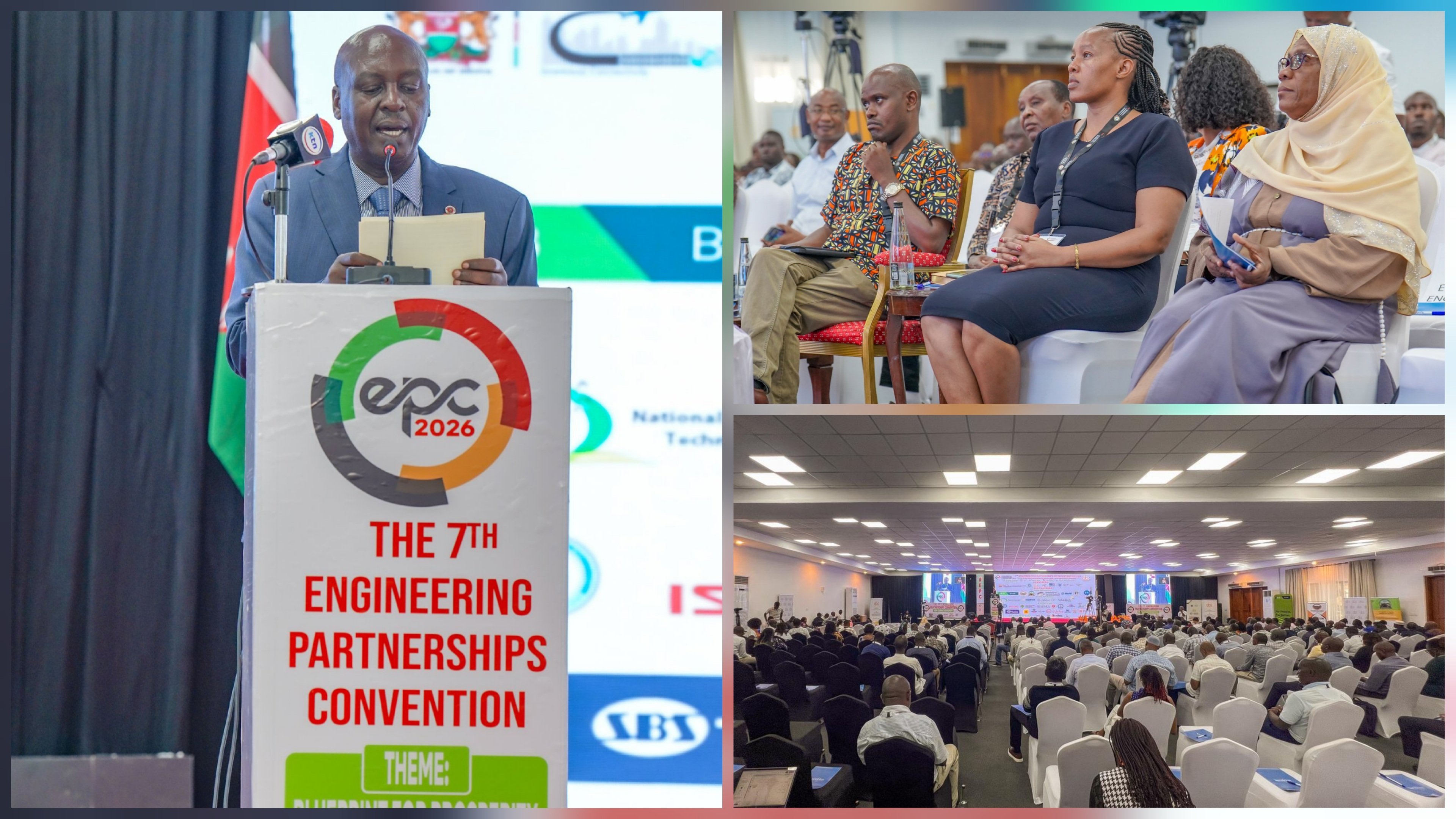

The State Department for Roads has reiterated its commitment to advancing the national infrastructure agenda, emphasizing the role of engineering in fostering regional connectivity and economic stability. Speaking at the 7th Engineering Partnerships Convention (EPC 2026) in Nairobi, officials highlighted a blueprint intended to transition the country into a primary logistics hub.
The convention, themed around creating a blueprint for prosperity, brought together stakeholders to discuss the integration of modern engineering standards in upcoming projects. The State Department for Roads confirmed it is prioritizing the expansion of the road network to link production zones with local and international markets.
Eng. Joseph Mbugua, representing the Ministry, noted that the current development phase focuses on creating sustainable maritime and terrestrial transport corridors. These efforts align with the broader goal of unlocking the potential of the blue economy, which remains a central pillar for the 2026 infrastructure pipeline.
A core focus of the discussions involved the use of public-private partnerships to finance and execute capital-intensive projects. The government intends to leverage these collaborations to ensure that infrastructure remains resilient and capable of supporting increased trade volumes across East Africa.
The Engineers Board of Kenya, which organized the event, stressed that the quality of engineering services will dictate the longevity of these investments. There is a renewed emphasis on the accreditation of professionals and the adoption of emerging technologies to manage project lifecycles more efficiently.
Participants at the forum examined the need for technical skills that match the ambition of the national development plan. This includes specialized training for maritime infrastructure and coastal resilience, areas that are increasingly vital as Kenya seeks to modernize its port facilities and seaside transport links.
The State Department for Roads has also indicated that maintenance of the existing 16,000-kilometer road network is as critical as new construction. By preserving these assets, the ministry aims to lower vehicle operating costs and improve the overall efficiency of the transport sector for commercial users.
As the convention concludes, the primary takeaway for the construction industry is a clear shift toward results-based management. The government expects these strategic investments to reduce the cost of doing business while simultaneously improving climate resilience in the country's most vulnerable transport corridors.
Comments (0)
Leave a Comment
No comments yet. Be the first to share your thoughts!