
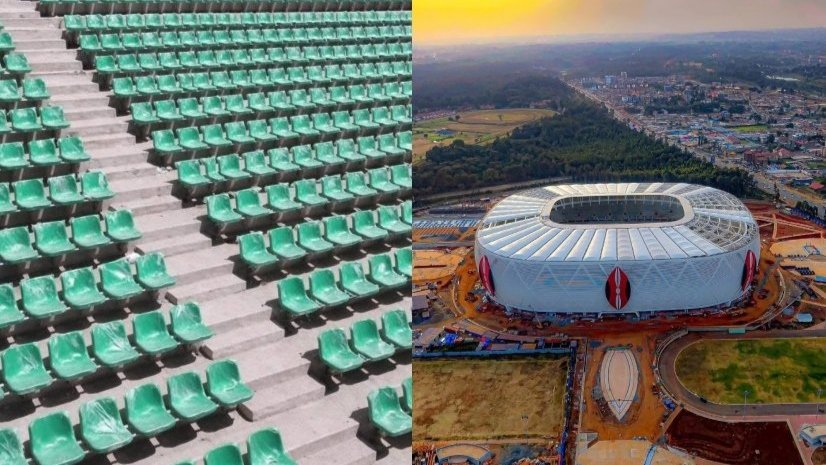

Workers have moved in to take out the much-maligned bakuli seats at Talanta Stadium, a direct response to the flood of complaints that hit social media recently. The green, rigid plastic chairs, installed just weeks ago, became a target for ridicule online, with many calling them outdated and uncomfortable for a project of this scale.
The government confirmed the seats would be swapped for foldable versions, which offer advantages like improved airflow between rows and straightforward cleaning processes. These changes address key issues raised by critics, who argued the original setup didn't suit a modern venue expected to draw large crowds for international competitions.
The uproar kicked off when photos of the seats surfaced on X and other platforms, prompting comparisons to better-equipped stadiums elsewhere in the region. Users dubbed them "bakuli," likening their shape to buckets, and questioned the choice given the stadium's role in upcoming events. The feedback was swift and widespread, pushing authorities to reconsider.
Talanta Stadium, located at Jamhuri Grounds off Ngong Road in Nairobi, is under construction as part of a major upgrade to Kenya's sports infrastructure. The 60,000-capacity arena is being built by the China Road and Bridge Corporation under a public-private partnership, with oversight from the Kenya Defence Forces to ensure timelines are met. Construction began in March 2024, aiming for completion by early 2026, though the seating issue might cause minor delays.
Progress stands at over 80 percent, with structural work largely done and focus shifting to interiors and amenities. The facility includes a hybrid GrassMaster pitch, solar panels for energy efficiency, and setups for video assistant referee systems. Parking spaces for 3,000 vehicles and links to public transport are designed to manage traffic on busy days.
This isn't the only scrutiny the project has faced. Earlier phases saw debates over design choices, but the seat controversy has been the most public. Costs for the replacement haven't been detailed, but they could add to the overall budget, estimated at around 45 billion Kenyan shillings. Officials maintain that the switch ensures the stadium aligns with standards set by bodies like the Confederation of African Football.
Kenya is gearing up to co-host the 2027 Africa Cup of Nations with Uganda and Tanzania, making reliable venues crucial. Talanta Stadium is one of several sites being prepared, alongside renovations at Nyayo National Stadium and others. Past hosting bids, like the 2018 African Nations Championship, faltered due to infrastructure gaps, a history officials aim to avoid repeating.
The stadium's full name is Talanta Sports City, encompassing not just the main arena but auxiliary fields for training and smaller events. A 15,000-seater secondary pitch is part of the complex, supporting youth programs and local leagues. Once operational, it could host football, rugby, athletics meets, and even concerts, boosting revenue through ticket sales and sponsorships.
In December 2025, President William Ruto announced plans to rename the stadium Raila Odinga International Stadium upon completion, in tribute to the late former prime minister. The proposal, initiated by Nairobi Governor Johnson Sakaja, received strong public support during Jamhuri Day celebrations. However, the change requires formal approvals and won't take effect until the build wraps up.
Local involvement has been key, with Kenyan firms handling subcontracts for electrical, plumbing, and landscaping work. This has created jobs and transferred skills in construction techniques suited to large-scale projects. The site spans 45 hectares, incorporating green spaces and water harvesting systems for sustainability.
As removal crews work through the seats, social media remains active with updates. Some users applaud the government's responsiveness, while others call for more transparency on procurement decisions. The episode illustrates how digital platforms can influence public projects, holding decision-makers accountable.
Sports infrastructure in Kenya has long needed investment, and Talanta Stadium represents a step toward addressing that. If the final touches meet expectations, it could elevate the country's profile in African athletics. For now, the focus is on getting the seating right, ensuring fans have a comfortable spot when the gates open.
Similar issues have cropped up in other builds across the continent, where initial cost savings lead to later adjustments. Here, the quick fix might prevent bigger problems down the line, especially with AFCON on the horizon.
Comments (0)
Leave a Comment
No comments yet. Be the first to share your thoughts!