
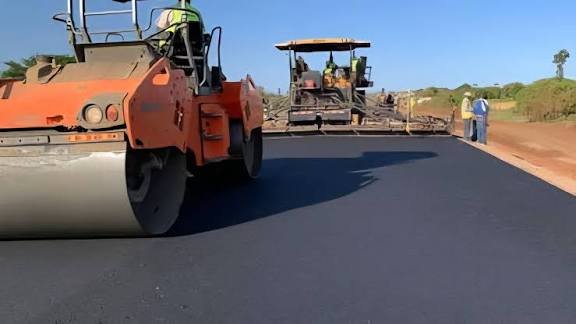

Kenya has dedicated a vast portion of its national budget toward the development of physical infrastructure, viewing it as the primary engine for economic expansion. This strategy has resulted in thousands of kilometers of new tarmac, expanded ports, and modernized rail systems across the country.
However, the State Department for Culture and Heritage suggests that brick and mortar alone cannot deliver the promised societal shift. Principal Secretary Ummi Bashir notes that while the "hardware" of development is visible, the "software"—encompassing national values and ethics—remains the missing link in the transformation agenda.
Construction projects often face hurdles that are not technical in nature, but rather rooted in human behavior and governance. Issues such as vandalism of road furniture, encroachment on reserves, and corruption in procurement processes frequently undermine the longevity and efficiency of these capital-intensive investments.
Bashir emphasizes that for the country to realize the full return on its infrastructure spend, citizens and leaders must adopt a culture of ownership. This involves protecting public assets as if they were private property, which reduces maintenance costs and ensures long-term utility.
The focus on physical assets has historically overshadowed the need for social capital. Without a disciplined workforce and an ethical business environment, even the most advanced transport networks may fail to attract the high-value industrial investments required to create jobs for the youth.
Transformative growth requires a synergy between what is built and how it is used. The government has prioritized connecting rural areas to markets. These connections only become profitable when supported by fair trade practices and a commitment to public order.
In many developed economies, the success of infrastructure was preceded or accompanied by a strong emphasis on civic duty. Kenya is now at a crossroads where the quality of its roads must be matched by the integrity of the people who build and navigate them.
Integration of values into the development cycle could prevent the delays and cost overruns that often plague major public works. Transparent bidding and professional accountability are as essential to a project’s success as the quality of the cement or the thickness of the asphalt.
This call for a value-based approach comes at a time when the government is under pressure to justify high debt levels taken on for infrastructure. Proving that these projects lead to tangible improvement in quality of life requires more than just high-speed traffic; it requires a functioning, honest society.
Comments (0)
Leave a Comment
No comments yet. Be the first to share your thoughts!