
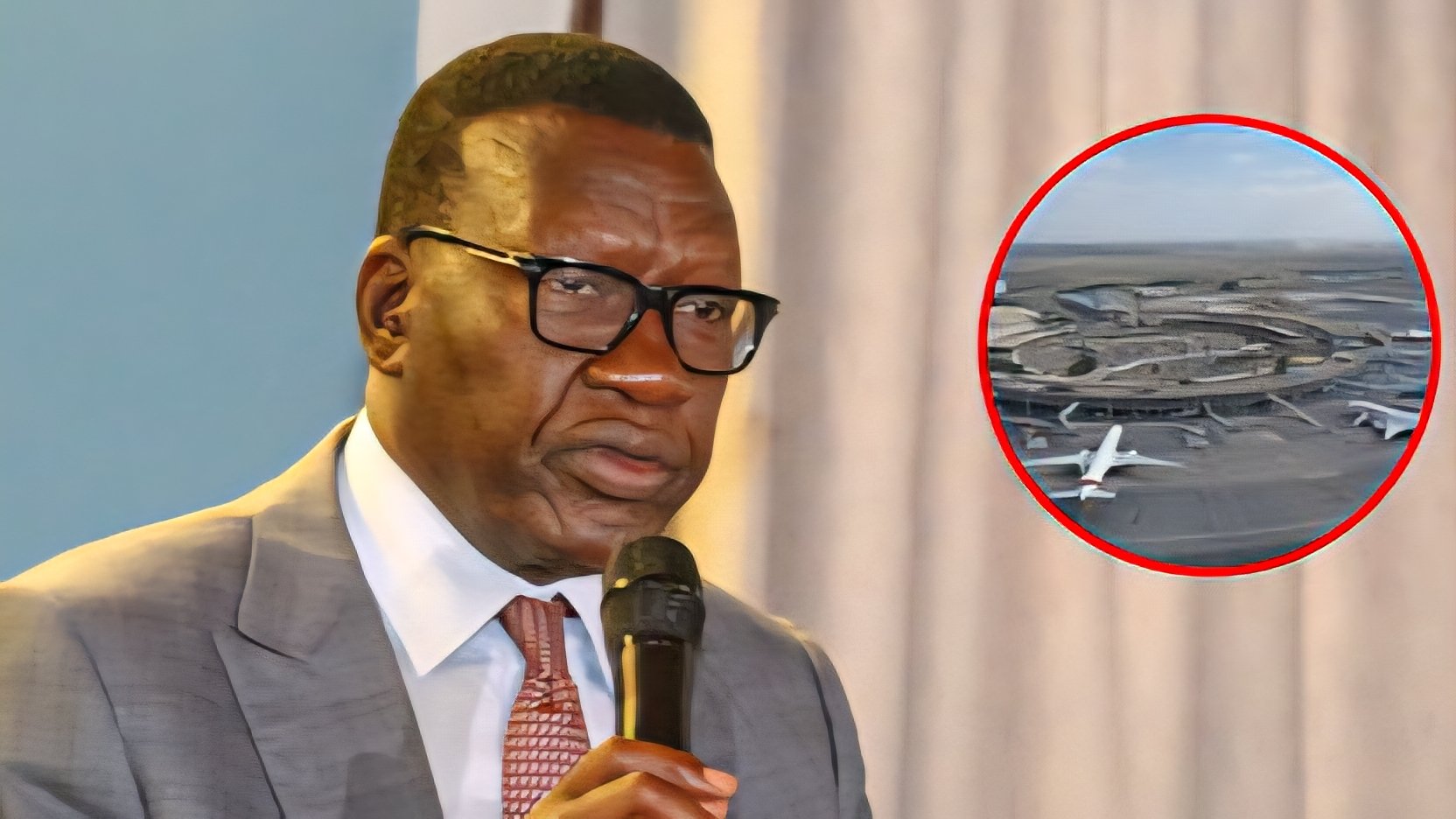

The Kenya Airports Authority is scheduled to commence a series of major infrastructure upgrades at Jomo Kenyatta International Airport in June 2026. Transport Cabinet Secretary Davis Chirchir announced the timeline during a stakeholder engagement on Tuesday, following the recent issuance of a multi-billion shilling tender for the facility's modernization.
The upcoming works represent the first phase of a comprehensive 20-year master plan designed to run through 2045. This initial stage focuses on immediate operational improvements to the airfield, including the construction of rapid-exit taxiways and the development of a partial parallel taxiway to reduce runway occupancy time.
Existing passenger terminals will undergo reconfiguration to ease current congestion, with passenger numbers having reached 8.6 million in 2025 against a design capacity of 7.5 million. The ministry expects the short-term upgrades to the current terminals and airfield to take approximately 15 months to complete.
Beyond immediate repairs, the government has detailed plans for a new passenger terminal complex located approximately one kilometer from the current facilities. This new complex is designed to handle 10 million passengers annually in its first phase, eventually expanding to accommodate 15 million.
Construction on the new airport complex is expected to begin later in 2026 and will span roughly three years. This development includes a second independent runway, which aims to increase aircraft movement capacity from the current 14 to 63 movements per hour once the entire airfield upgrade is finalized.
Financial backing for these projects will be partially provided by the National Infrastructure Fund. President William Ruto recently indicated that Sh20 billion from the fund, sourced from the Kenya Pipeline IPO proceeds, will serve as seed capital for the airport’s transformation.
The Kenya Airports Authority has clarified that this modernization program is a government-funded initiative. This follows the formal cancellation of a previous proposal from the Adani Group, with officials emphasizing that the current procurement process will be handled with transparency under public sector policies.
Total passenger traffic at the regional hub is projected to grow at an annual rate of 4.6 per cent, reaching 22.31 million by 2045. To support this growth, the master plan also envisions an Airport City and a Special Economic Zone to integrate trade and logistics directly into the airport’s infrastructure.
Technical upgrades included in the tender involve modernizing air traffic control systems, firefighting stations, and utility infrastructure. Digitalization of passenger processing systems, such as check-in and security screening, is also prioritized to improve service delivery during the construction period.
The government has set a high threshold for contractors bidding on the primary expansion works, requiring proof of a minimum capital base of Sh100 billion. This ensures that the firms handling the project possess the financial liquidity necessary to meet the ambitious three-year construction window for the new terminal.
Comments (0)
Leave a Comment
No comments yet. Be the first to share your thoughts!