
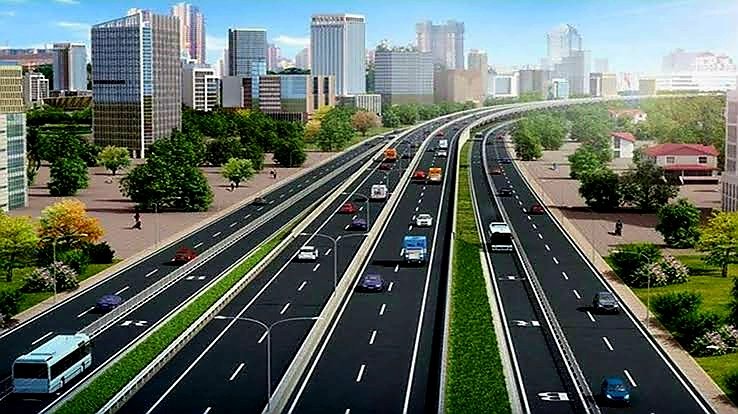

The Kenya National Highways Authority, KeNHA, is preparing a national master plan that aims to introduce more expressways across the country. This development indicates a significant shift in how the state intends to manage long-term traffic congestion and inter-county connectivity.
Currently, the Nairobi Expressway remains the only operational road of its kind in the country. The 27-kilometer elevated highway, which links Mlolongo to James Gichuru Road, has served as a primary reference point for this model of infrastructure.
Officials from KeNHA have indicated that the success of the first project has informed the decision to look beyond the capital. The agency is now drafting a framework that will guide the selection of new routes and the implementation of similar high-speed corridors.
Expansion plans come at a time when urban centers and major transit routes are experiencing increased vehicle density. The national master plan is expected to identify critical bottlenecks where standard highway upgrades may no longer suffice to meet demand.
While the specific locations for the new roads are yet to be fully detailed, the focus remains on areas with high commercial traffic. The agency intends to use the master plan to create a structured approach to infrastructure development over the coming decade.
Financing models for these projects typically involve public-private partnerships, similar to the arrangement used for the existing Nairobi Expressway. This allows the government to deliver large-scale projects without immediate and heavy strain on the national exchequer.
President Ruto has previously emphasized the need for modern infrastructure to facilitate trade and movement within the East African region. The proposed master plan aligns with this vision of making Kenya a logistics hub through better-integrated road networks.
Public reaction to the existing expressway has been mixed, primarily due to the tolling fees required for use. However, the reduction in travel time across Nairobi has proven the utility of the design for many motorists and logistics companies.
KeNHA is expected to conduct feasibility studies for the new routes identified in the plan. These studies will assess the environmental impact, land acquisition requirements, and the projected traffic volumes needed to sustain such investments.
As the plan rolls out, the authority will need to balance the construction of these premium roads with the maintenance of the existing secondary road network. This dual focus is essential for ensuring that the benefits of the expressway system reach a wider population.
The announcement marks a transition from a single flagship project to a systemic infrastructure policy. By codifying these plans into a national master plan, the government seeks to provide a predictable roadmap for international investors and local stakeholders.
Industry experts suggest that the next phase of expansion could target routes connecting Nairobi to other major cities. Mombasa and Nakuru are frequently mentioned as logical candidates for enhanced high-speed road connections due to their economic importance.
Comments (0)
Leave a Comment
No comments yet. Be the first to share your thoughts!