
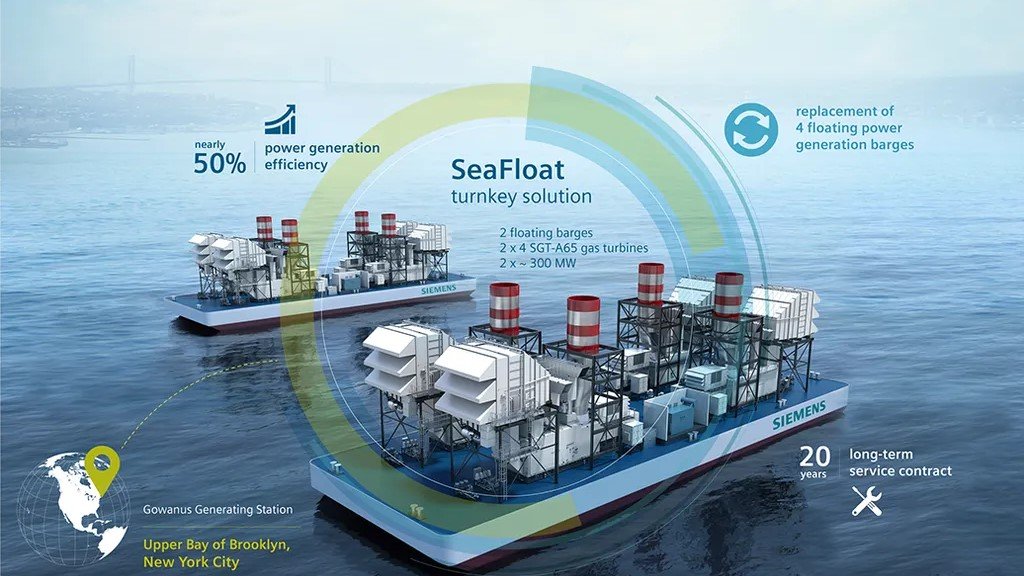

Kenya is set to introduce floating power plants into its electricity supply system as part of wider efforts to address recurring blackouts, stabilize grid reliability and meet rising energy demand driven by industrial growth, urbanization and increased electricity connectivity across the country.
The floating power plants, which are essentially electricity generating stations mounted on specially designed ships or barges, are expected to provide emergency and supplementary power during periods of high demand, planned maintenance or unexpected supply disruptions affecting the national grid.
The move comes as Kenya continues to experience occasional power interruptions linked to aging transmission infrastructure, fluctuating hydropower production caused by changing weather patterns, and growing electricity consumption from households, businesses and manufacturing industries.
Energy experts say floating power plants can offer a fast and flexible solution because they require shorter deployment timelines compared to constructing permanent land-based power stations, which often take several years to complete and commission.
The planned facilities are expected to operate using liquefied natural gas, heavy fuel oil or other alternative energy sources depending on technical and commercial arrangements agreed upon between the government, independent power producers and electricity sector regulators.
Kenya has over the years expanded electricity access significantly, with national connectivity rates rising through rural electrification programmes and investments in renewable energy including geothermal, wind, solar and hydropower projects across different regions.
Despite these gains, peak electricity demand has continued to increase steadily, especially in major urban centres such as Nairobi, Mombasa, Kisumu and rapidly growing industrial zones where factories, data centres and commercial developments require uninterrupted power supply.
Officials indicate that floating power plants will act as backup generation facilities capable of injecting additional electricity into the grid whenever existing power stations experience reduced output or when demand exceeds available generation capacity.
The initiative is also expected to support critical infrastructure and essential services such as hospitals, airports, water supply systems and transport networks that rely heavily on stable electricity to operate efficiently without interruptions.
Globally, floating power plants have increasingly been adopted by countries facing urgent electricity shortages, seasonal demand fluctuations or delays in implementing conventional generation projects due to financing, land acquisition or environmental approval challenges.
Supporters of the proposal argue that the technology could help Kenya avoid costly economic losses associated with prolonged blackouts, which often disrupt business operations, damage equipment and reduce productivity across various sectors of the economy.
Manufacturers and investors have repeatedly emphasized the importance of reliable electricity in attracting industrial investments, expanding local production and strengthening Kenya’s position as a regional economic and logistics hub within East Africa.
The government is expected to work closely with Kenya Power, the Energy and Petroleum Regulatory Authority and other stakeholders to determine suitable locations for docking and integrating the floating plants into the national electricity network.
Coastal areas with access to port infrastructure are likely to be considered because floating power plants require secure marine facilities, fuel supply arrangements and transmission connections capable of delivering generated electricity into the national grid efficiently.
Energy analysts note that while the technology offers rapid deployment advantages, authorities will also need to carefully assess operational costs, environmental implications and long-term sustainability compared to expanding renewable energy generation and grid modernization projects.
Environmental groups have previously urged policymakers to prioritize cleaner energy technologies in future electricity expansion plans, warning that reliance on fossil-fuel-powered emergency plants could affect Kenya’s climate commitments and green energy leadership reputation.
Kenya currently generates a significant share of its electricity from renewable sources, particularly geothermal energy from the Rift Valley, making it one of Africa’s leading countries in clean energy production and low carbon electricity generation.
Even so, officials maintain that backup and emergency generation solutions remain necessary to guarantee electricity stability during periods of drought, transmission failures or unexpected surges in demand that place pressure on existing power systems.
The floating power plants are expected to complement ongoing investments in transmission lines, substations and regional power interconnection projects aimed at strengthening electricity distribution and improving supply reliability across the country.
If successfully implemented, the initiative could provide Kenya with an additional layer of energy security while supporting economic growth, industrial expansion and the government’s broader agenda of ensuring affordable, reliable and accessible electricity for all citizens.
Comments (0)
Leave a Comment
No comments yet. Be the first to share your thoughts!