
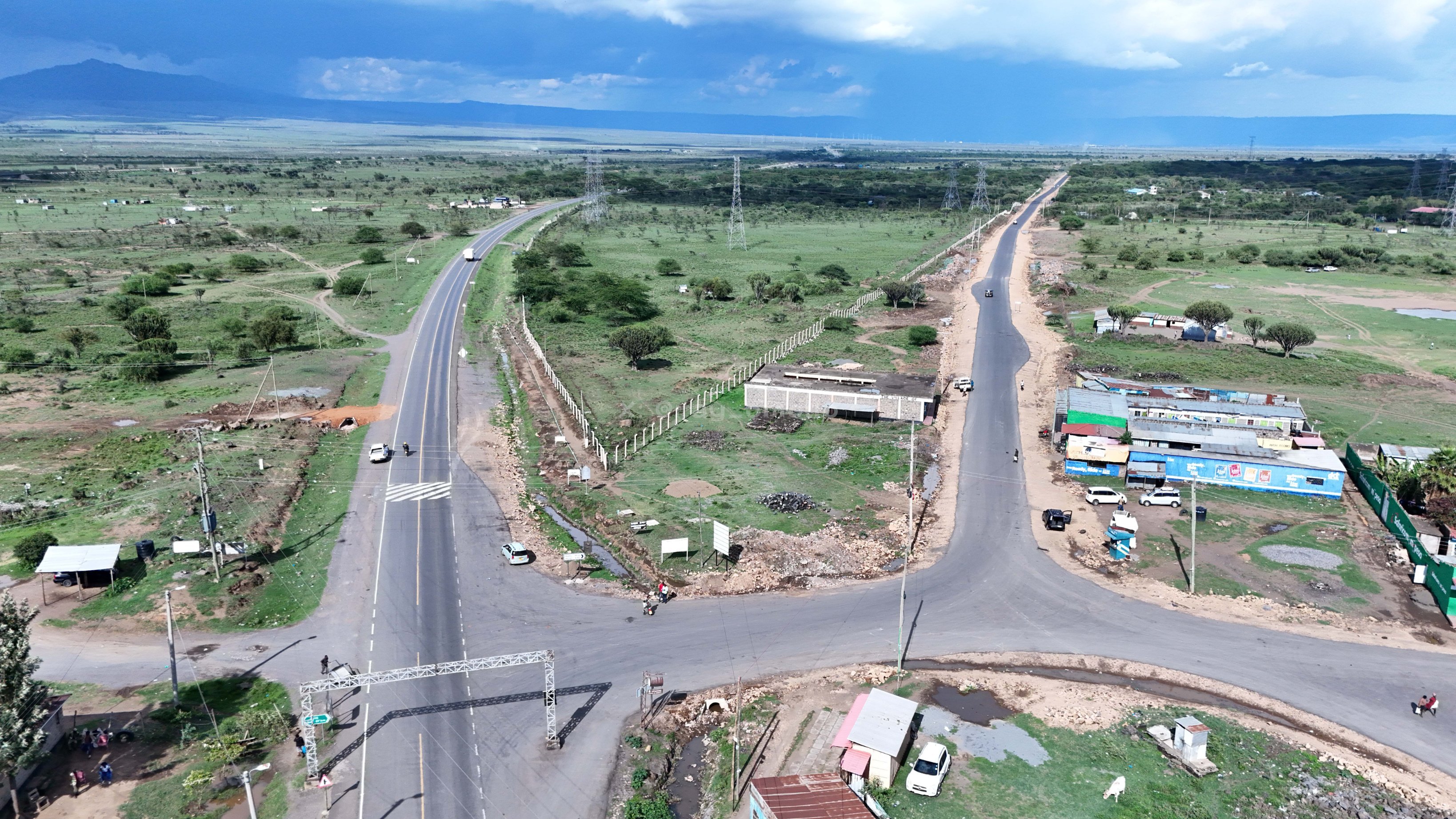

Interior Principal Secretary Raymond Omollo announced the completion of the Ngong-Suswa Highway and shared panoramic images of the new road. He described the 70-kilometre tarmac stretch in positive terms and said it had now become fully operational.
The response from Kenyans was immediate and sharply negative. Within hours users began posting detailed critiques of the highway’s appearance and construction standards. Many focused on what they described as an ugly finish on a road that had only just opened.
Complaints centred on uneven edges along the carriageway and curbs that appeared poorly balanced. Some pointed to unnecessary metal structures placed at odd points across the road. One gantry-style sign in particular drew repeated mockery because it sat directly over an acceleration lane with no obvious function.
PS Omollo had highlighted the route’s practical value. The highway creates a direct link between Ngong Town and Suswa. Motorists heading toward Narok, Bomet and Kisii counties as well as other parts of western Kenya would save time on their journeys.
He also spoke of wider benefits for communities along the corridor. Farmers and livestock traders in Kajiado County could now reach Nairobi markets more quickly and at lower cost. The improved access, he argued, would support local economic activity.
Yet those statements failed to stem the tide of criticism. Online reactions ignored the promised advantages and instead listed basic features the road appeared to lack. Users repeatedly noted the absence of road markings, centre lines and any form of signage.
Street lighting and guard rails were also missing from sections where they would normally appear. Drainage structures and clear zones received similar scrutiny. Several commenters described the overall result as a quickly assembled transit route rather than a proper highway.
Jared Ounda captured the prevailing mood in one widely shared post. He wrote that the road looked “shitty as hell” and suggested even camels deserved better. He questioned the quality delivered in exchange for the taxes Kenyans pay and called for a return to the drawing board.
Steve Mbogo focused on the lack of essential road furniture. He asked why there were no markings, centre lines, curb indications or signage on a road declared complete. He labelled the outcome simple mediocrity.
Another user argued that tarmac alone does not make a finished highway. The post stated that proper roadworks should include markings and streetlights. Half-finished projects of this kind, the comment continued, harm the development Kenyans expect.
A further reaction raised safety concerns. Without signs, lights or guard rails, the road could lead to avoidable accidents. The writer called the situation an economic crime that leaves taxpayers exposed to future hospital bills or debt repayments.
Broader frustration ran through most replies. One user accused the authorities of having no love for the country. The comment listed standards seen elsewhere, such as multiple lanes, bicycle paths, zebra crossings and adequate drainage, and asked why these could not be delivered here.
The images released by the Interior Ministry continued to circulate. They showed long stretches of fresh tarmac but also highlighted the very shortcomings users had identified. The backlash showed no sign of easing as more Kenyans viewed the photographs.
For the moment the highway remains open to traffic. Whether any remedial work will follow the public outcry has not been addressed by officials. The episode has once again placed the spotlight on standards applied to major road projects across the country.
Comments (0)
Leave a Comment
No comments yet. Be the first to share your thoughts!