
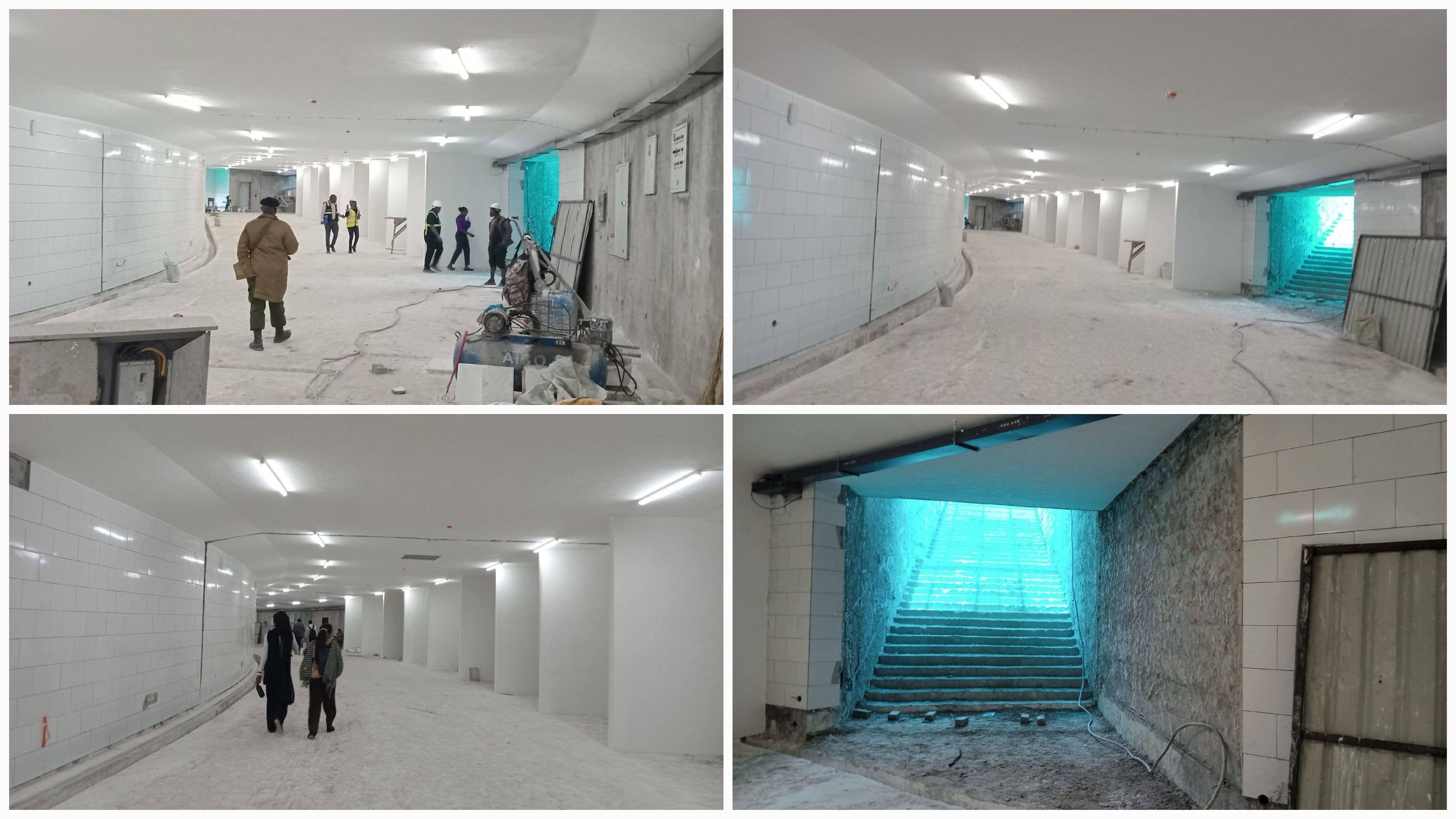

Nairobi’s relentless drive to modernize its urban infrastructure is culminating in the imminent completion of the Haile Selassie Underpass, a critical KES 2 billion project designed to revolutionize pedestrian safety and flow in the city centre.
Situated at the historically frustrating intersection of Uhuru Highway and Haile Selassie Avenue, this project addresses a dangerous choke point where tens of thousands of pedestrians crossing between the CBD, the railway terminus, and Upper Hill are currently forced into a hazardous dance with fast-moving traffic.

The project is inspired by world-class transit models from global cities such as Beijing and London. The Haile Selassie Underpass's primary function is to fully unlock the potential of the Green Park Terminus by guaranteeing safe and easy access for commuters into the CBD, a strategy vital to reducing the number of Public Service Vehicles (PSVs) entering the core of the city.
This 500-metre-long lifeline beneath the city's heart is a major component in the broader effort to improve general traffic flow, complementing infrastructure such as the ongoing Kenyatta Avenue viaduct project. Funding for the essential development was secured through the Road Maintenance Levy Fund.
With the project currently reported to be approximately 97% complete, the team comprising main contractor CRBC, client Kenha, and supervisor Civil One Consulting Engineers is pushing to beat a tight operational deadline for a possible early 2026 launch.
The complexity of the work, conducted using the Cast in Situ Cut and Cover method beneath one of Nairobi’s busiest areas, required aggressive, meticulous traffic management with heavy excavation scheduled for overnight hours to maintain 24/7 surface flow.
Beyond its core function, the underpass is equipped with modern lifts designed to accommodate standard wheelchairs for persons with disabilities, the aged, and pregnant women.
The network also features public toilet facilities, comprehensive CCTV surveillance, a dedicated police post for security, seven standby generators and drainage pumps for resilience.
Furthermore, it is set to become an economic corridor with spaces allocated for 39 retail shops, billboards, and rental spaces, fostering small business opportunities right beneath the urban rush.
This transformative structure stands as a clear symbol of Nairobi's commitment to modern urban planning, safety, and accessibility.
Comments (0)
Leave a Comment
No comments yet. Be the first to share your thoughts!