
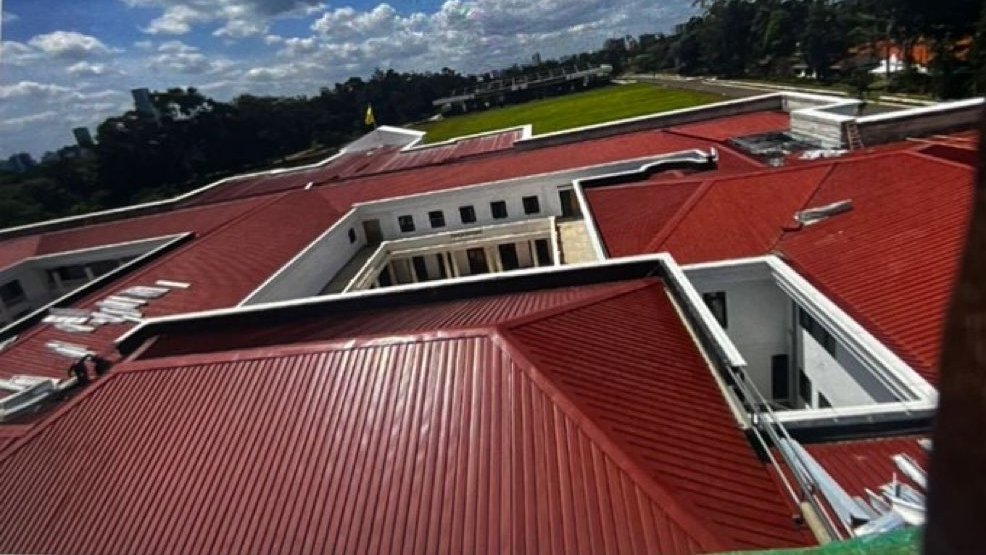

Aerial and satellite photographs circulating online have intensified debate around the renovation works at State House in Nairobi. The images show the complete removal of the original sloped terracotta roof, replaced by a flat system hidden behind an elevated perimeter wall, with what appears to be standard corrugated iron sheets visible inside the new boundaries.
From street level the changes remain largely concealed. The neoclassical facade designed by Sir Herbert Baker in 1907 still presents its familiar profile. Overhead views, however, have laid bare the extent of the transformation and triggered widespread discussion.
Social media reactions have split sharply. Some Kenyans welcome the modernisation of a long-neglected building, while others lament the loss of the iconic red tiles that formed part of the landmark’s identity for over a century. Questions about the authenticity of certain viral images have also emerged, with users debating whether some photos were AI-generated or digitally enhanced. Multiple independent satellite sources and on-ground confirmations have nevertheless verified the core roof alterations.
Prof. Alfred Omenya, a professor of architecture, added professional weight to the criticism by describing aspects of the new design as mediocre after reviewing before-and-after visuals. The Architectural Association of Kenya had earlier cautioned that changes to the roof, proportions and symmetry risked undermining the building’s character.
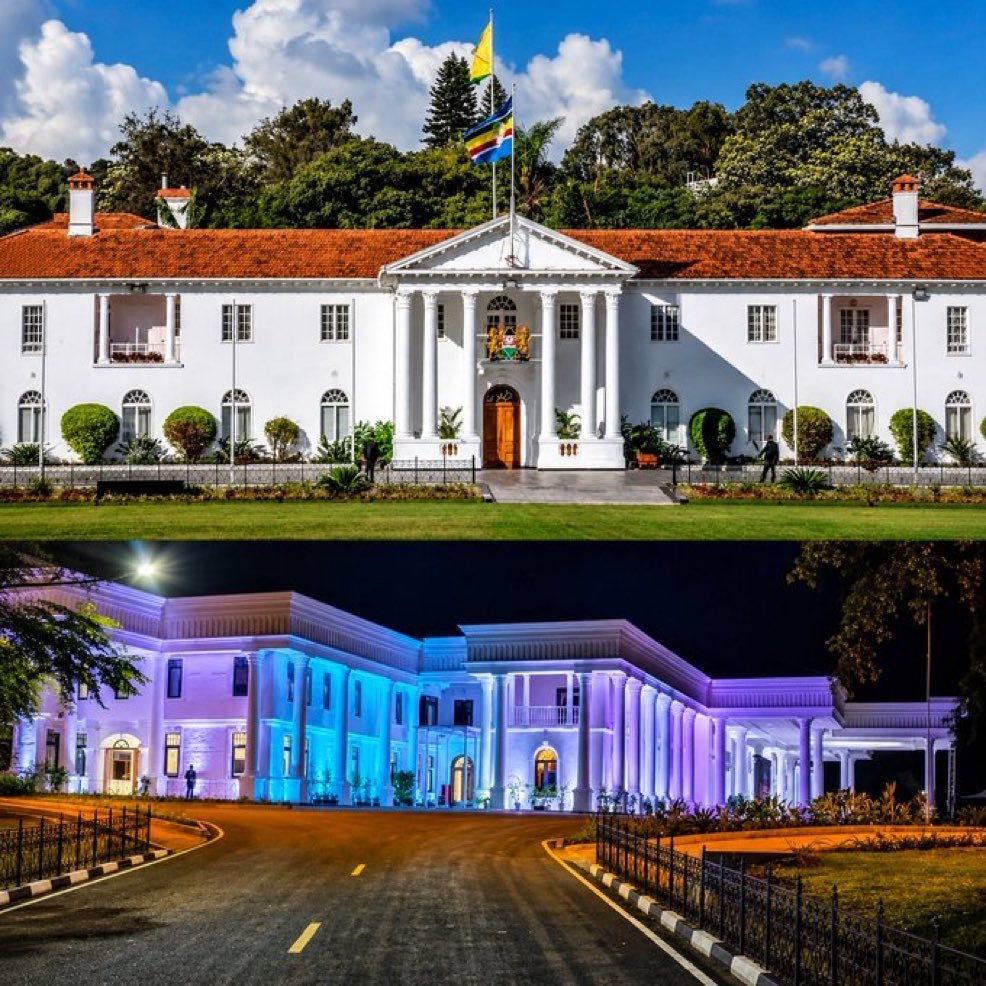
State House before and after /Courtesy
State officials have justified the works on practical and security grounds. President William Ruto told clergy from Bungoma that decades of neglect left the old tiled roof in poor condition. Staff routinely positioned buckets inside offices during heavy rains to catch leaking water. He insisted a leader must first organise their immediate workspace before tackling national duties.
State House Comptroller Katoo Ole Metito briefed the National Assembly’s Administration and Internal Security Committee. He confirmed that the National Intelligence Service and Department of Defence are directly overseeing execution through specialised security allocations.
The Nairobi project carries an estimated cost of KSh 1.77 billion. KSh 775 million has already been disbursed, reaching 44 percent completion. An additional KSh 180 million is proposed for the next financial year.
These works form part of a broader KSh 11.5 billion programme covering 13 executive facilities across the country, including upgrades at Mombasa State House and Eldoret State Lodge.
The new flat roof with its parapet wall and apparent corrugated iron sheets marks a clear departure from Baker’s original detailing, which combined classical lines with climate-appropriate materials. Night-time views of the added bright blue and white LED facade lighting have further fuelled online commentary, with some likening the glow to commercial venues.
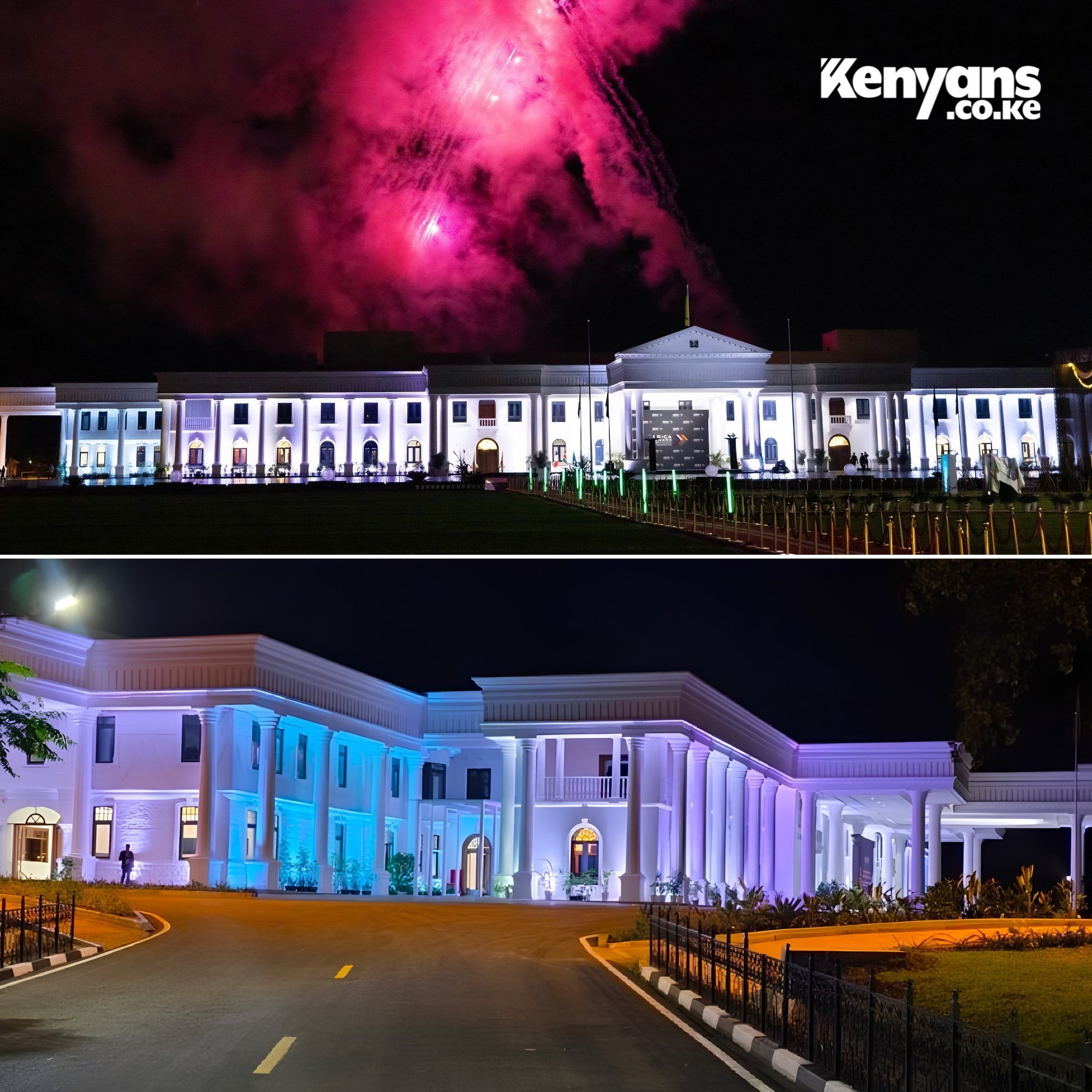
State House new look at night /Kenyans
The building, originally constructed as Government House, holds strong symbolic value in Kenya’s political landscape. While not subject to the strictest heritage protections, its modifications have still provoked strong feelings about national identity and resource priorities.
As more images spread and discussions about potential AI manipulation continue, the conversation has extended beyond aesthetics to questions of transparency and value for money. Construction activity persists inside the compound, with the final appearance set to shape perceptions of the presidential residence for years to come.
Comments (0)
Leave a Comment
No comments yet. Be the first to share your thoughts!