
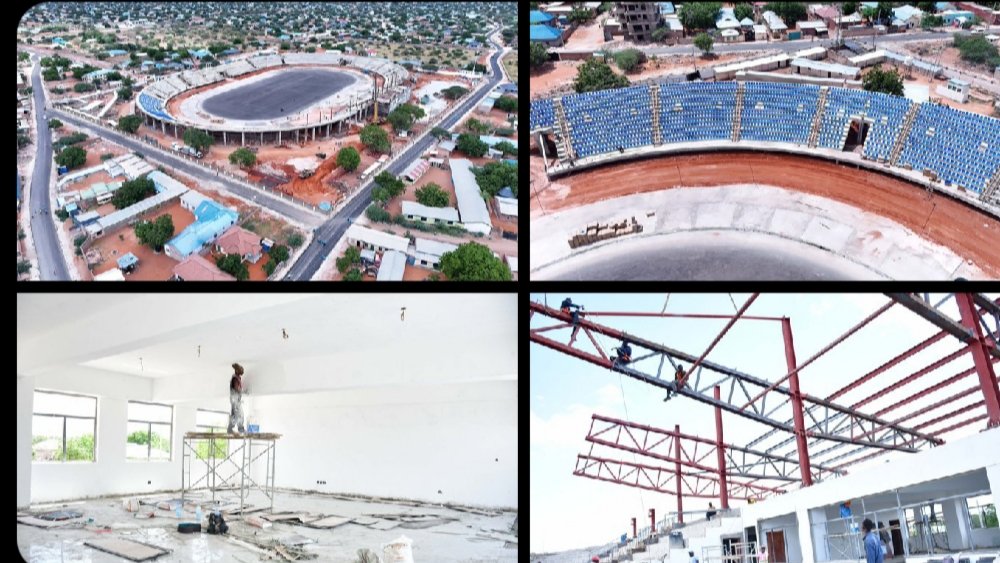

For the first time since Kenya gained independence in 1963, Wajir town in North Eastern Kenya is finally getting its own modern public stadium. The Wajir Stadium project has now reached 84 percent completion and continues to progress at a good pace. The works are being coordinated by the Ministry of Defence through the Kenya Defence Forces.
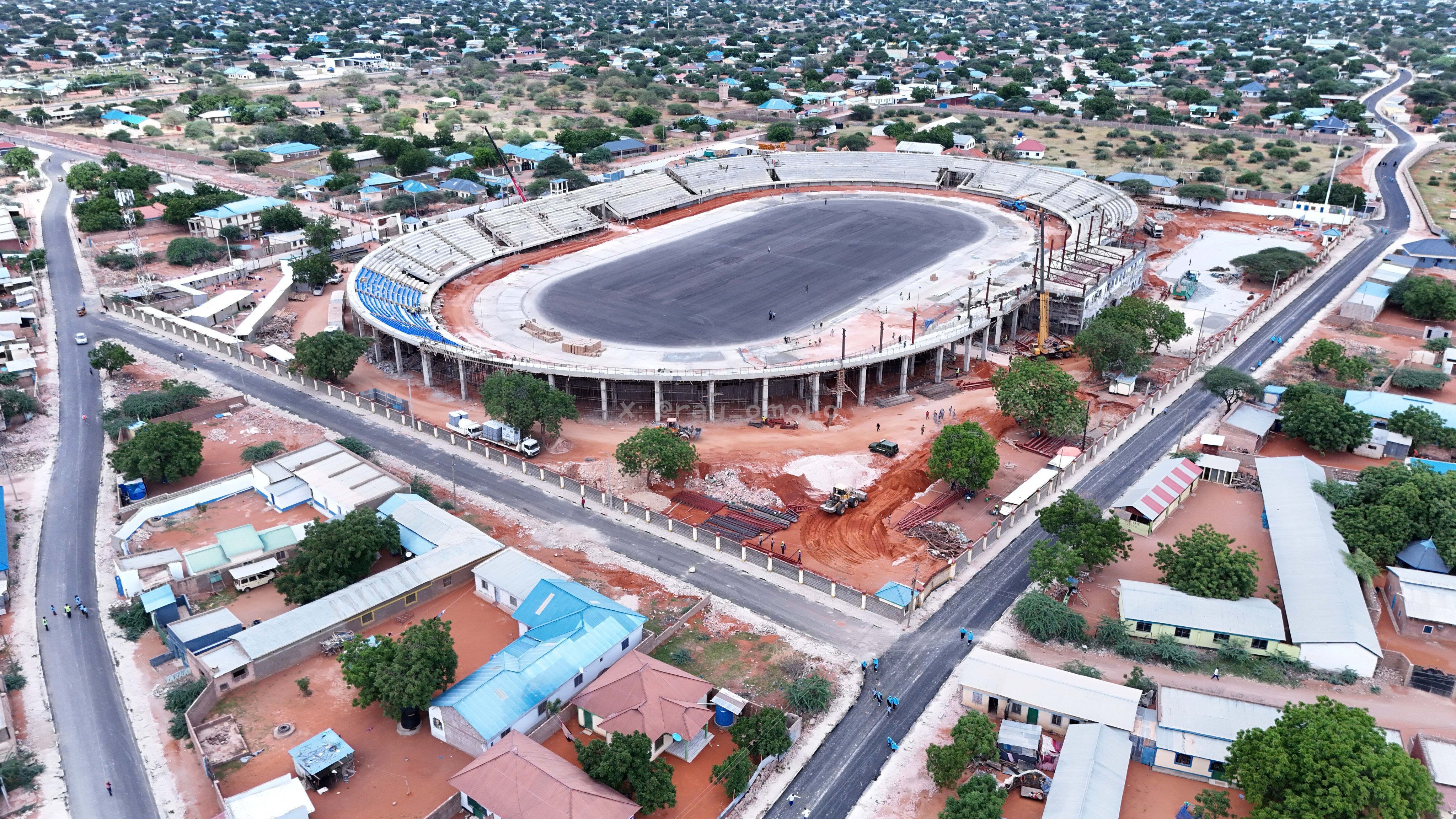
Wajir Stadium aerial view /Handout
The 10,000-seater facility is on course to host the national Madaraka Day celebrations scheduled for June 1, 2026. A multi-agency team led by the State Department for Internal Security and National Administration is supervising the project closely to ensure it meets the required standards and timeline.
Project updates indicate that substantial completion is expected between May 20 and May 25, 2026. This tight schedule leaves just enough time for final inspections, finishing works, testing of systems, and rehearsals before the big national event.
The stadium is rising on what was previously open undeveloped land, including the old Wajir Baraza Park. At the moment, key activities on site include the installation of terrace seating. The full-sized football pitch has been prepared and is ready for artificial turf installation, while the standard eight-lane athletic running track is also taking shape.
Other important features include modern changing rooms for athletes, VIP lounges, and spectator amenities designed to suit the hot and arid climate of the region. The project has also incorporated ample parking space and a dedicated borehole that will provide reliable water supply to the facility. These practical additions are important for long-term functionality in North Eastern Kenya.
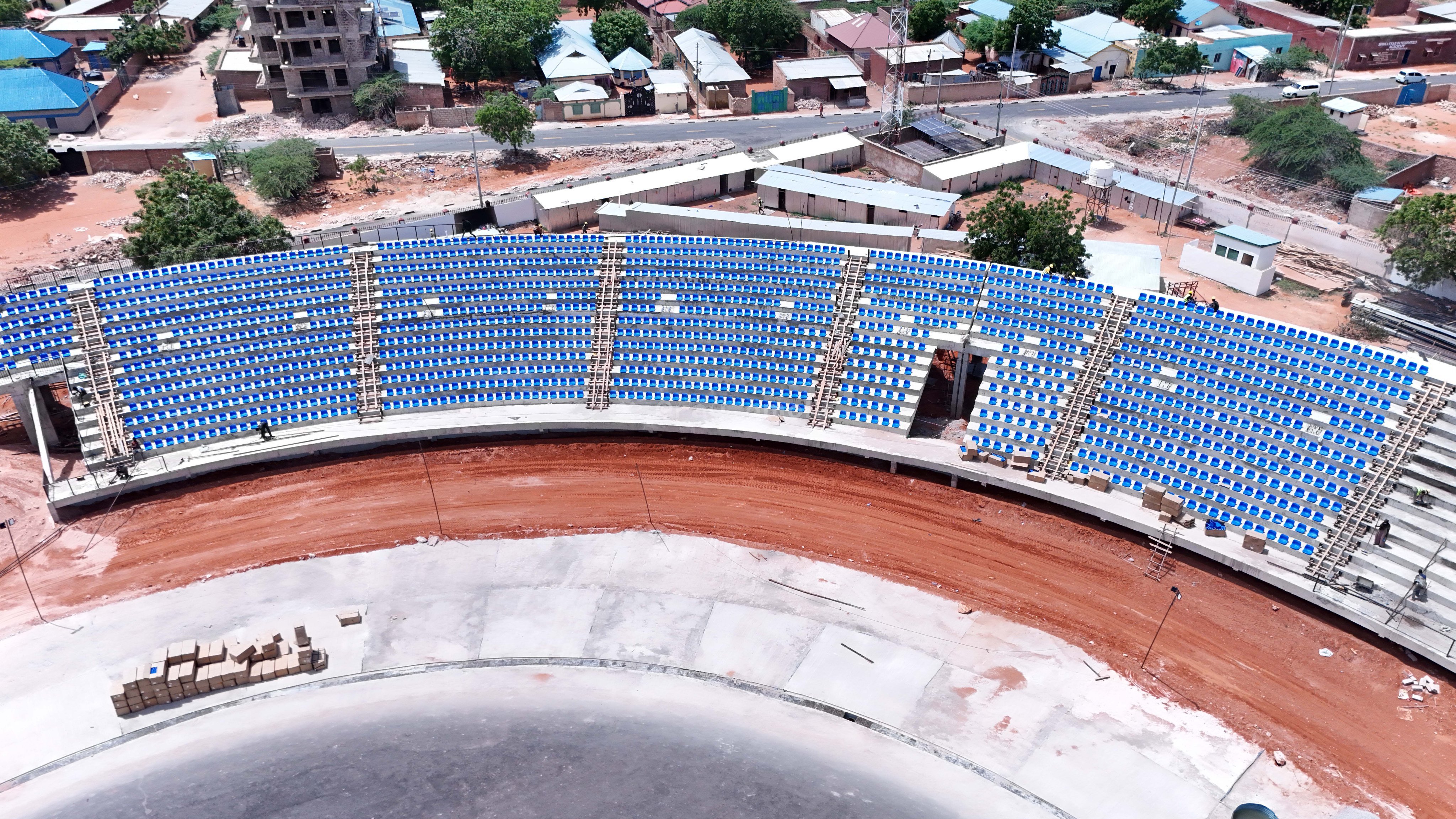
Wajir Stadium seats installation ongoing /Handout
This stadium project represents a significant step in decentralizing major national infrastructure. Once completed, it will serve as a proper venue for football matches, athletics events, and large public gatherings. Many in the construction and local business community expect it to create opportunities for contractors, suppliers, and service providers both during the final phase and after commissioning.
Supporters of the project believe it will help nurture sports talent from the North Eastern region, where young athletes have for a long time lacked proper training and competition facilities. The stadium is also expected to stimulate economic activity through event-related businesses and position Wajir as a new hub for regional and national events. In the long term, the government plans to secure and maintain the facility as a community asset.
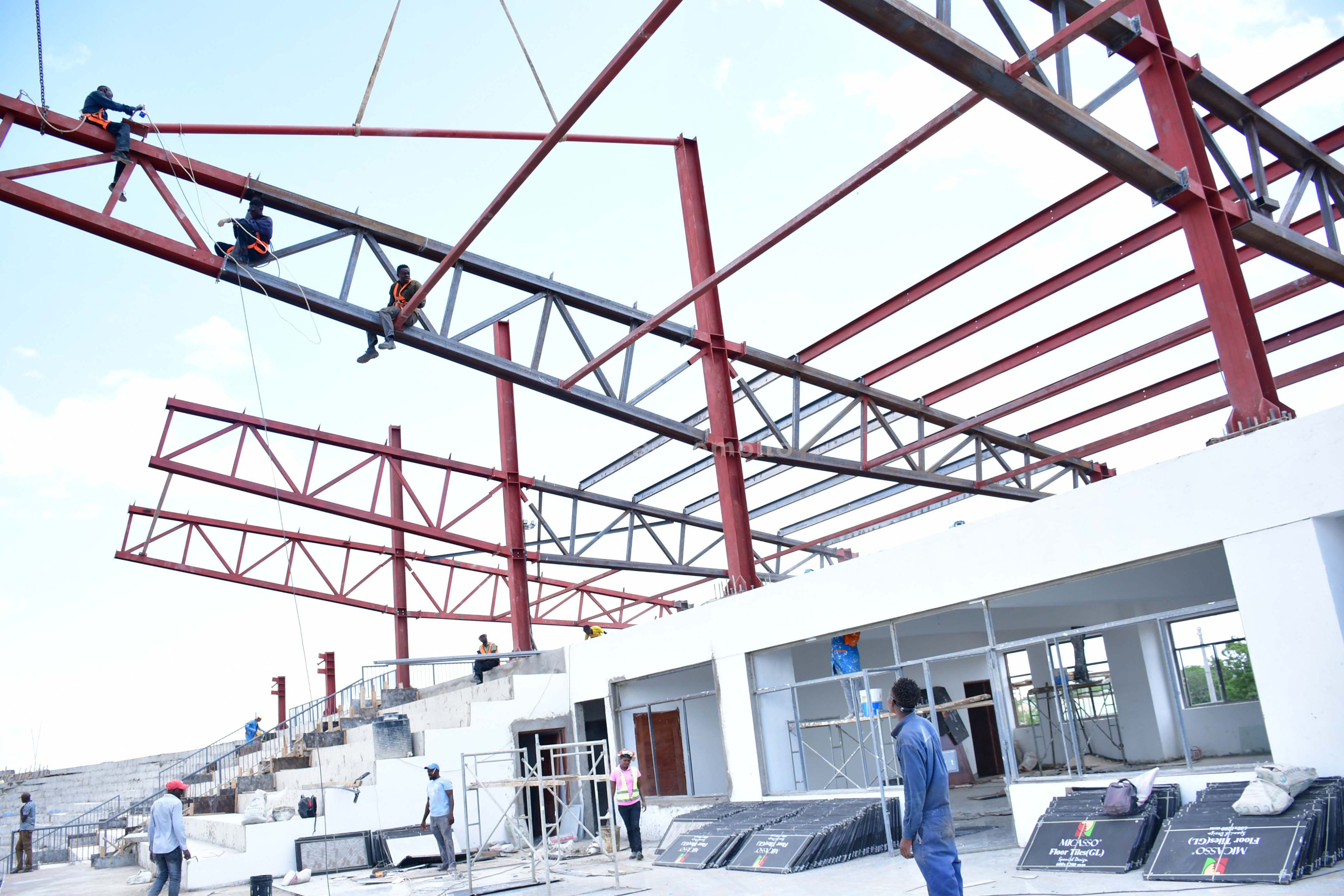
Trusses installation for Wajir Stadium canopy /Handout
Like many big projects, the Wajir Stadium has attracted public discussion. While many welcome the development as progress for an underserved region, some stakeholders have raised questions about priorities, especially regarding other pressing needs such as water, healthcare, and roads. However, project implementers maintain that different infrastructure projects can move forward together to support overall regional growth.
The speed at which the Wajir Stadium has moved from early double-digit completion figures earlier this year to the current 84 percent demonstrates focused execution by the team on the ground. This rapid progress is notable given the location and the tight deadline set for national celebrations.
As the countdown to Madaraka Day continues, all attention is now on the remaining works. The successful and timely delivery of this stadium will add to Kenya’s growing list of public infrastructure achievements, particularly in regions that previously had limited access to modern facilities.
In the end, the real value of the Wajir Stadium will be seen in how well it is utilized and maintained in the coming years. If managed properly, it has the potential to bring lasting benefits to local communities, the construction sector, and sports development in North Eastern Kenya.
Comments (0)
Leave a Comment
No comments yet. Be the first to share your thoughts!