
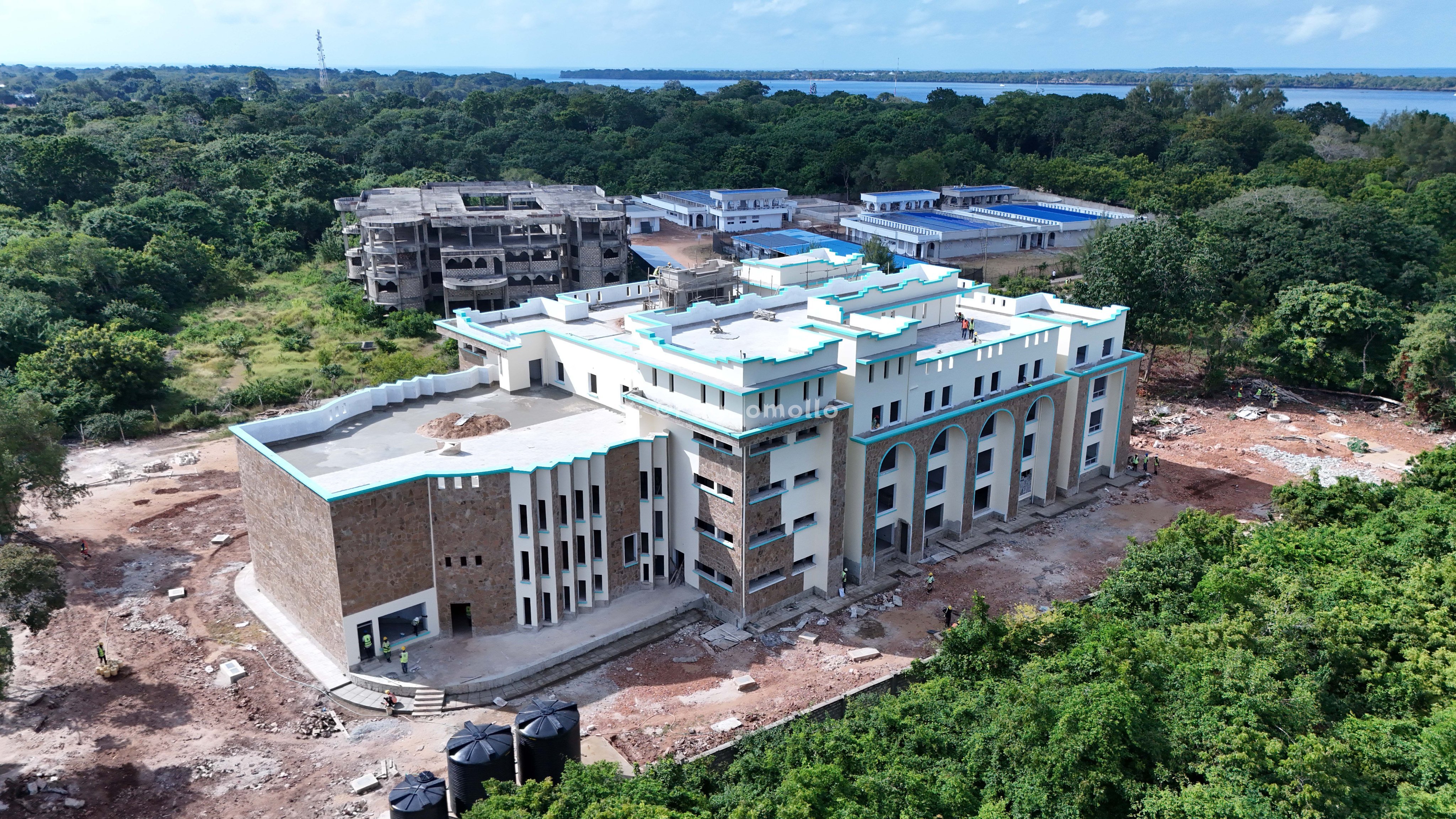

The National Mariculture Resource and Training Centre (NAMARET) in Shimoni is operational under the management of the Kenya Marine and Fisheries Research Institute (KMFRI).
Situated along the Kwale County coastline, the facility serves as Kenya's premier location for marine aquaculture research, seed production, and capacity building.
The completed infrastructure includes the first national marine hatchery dedicated to producing high-quality fingerlings.
Operational installations also incorporate a modern three-storey training complex for mariculture education, eco-purification systems designed for environmental management, and an interactive marine aquarium to support research and public awareness.
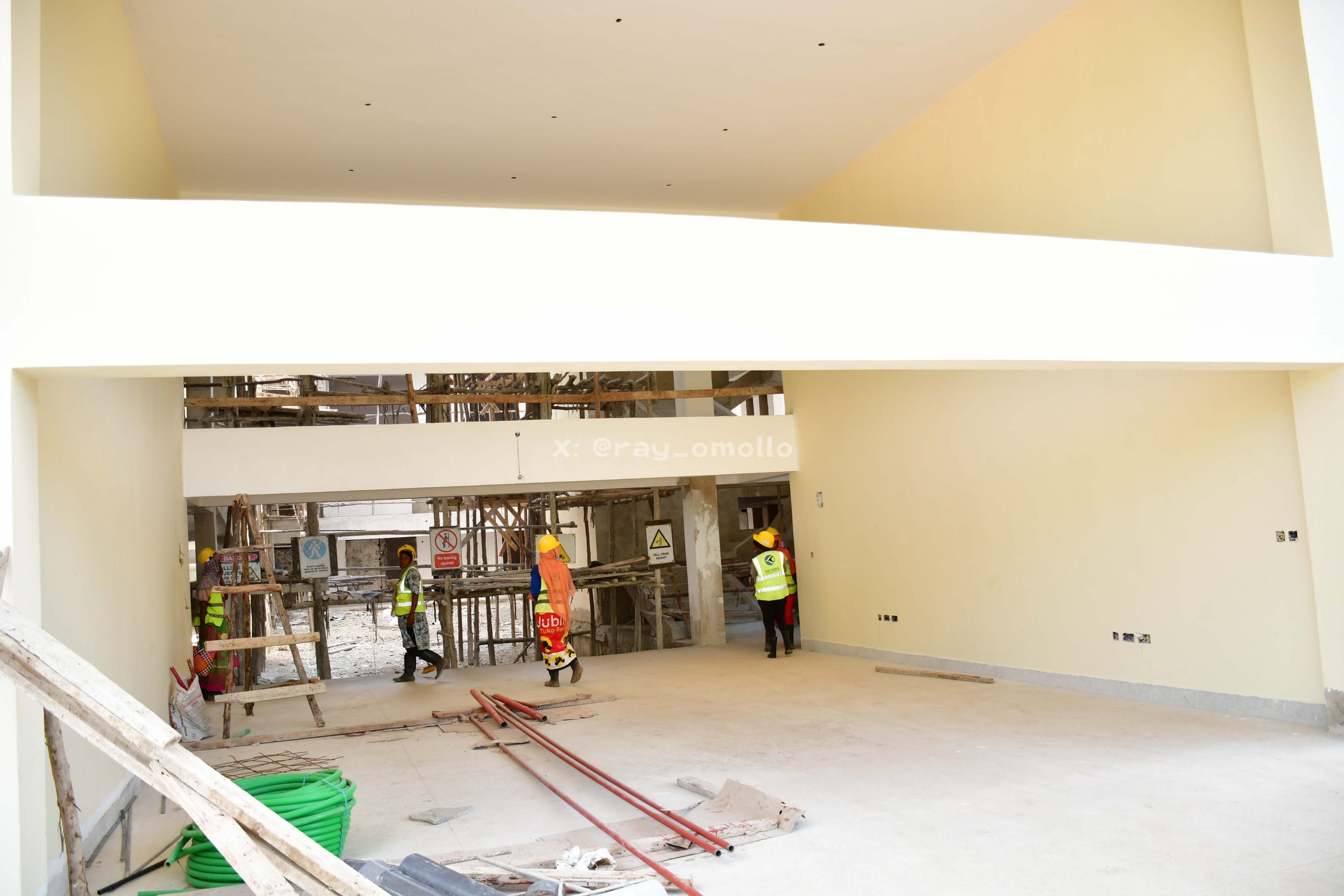
Once fully utilized, the facility will direct technical work across specific marine aquaculture areas. These include sea cucumber culture targeted at high-value export markets, seaweed farming, marine finfish production, and coral reef restoration projects.
Internal Security Principal Secretary Raymond Omollo stated that the facility relies on research, technology transfer, and direct support for local farmers to expand marine economic activities while maintaining environmental sustainability.
The administrative stability of the site involves coordination through the State Department for Internal Security and National Administration.
Officers from the National Government Administration Officers (NGAO) coordinate community engagement, protect the public infrastructure, and maintain operational security across the coastal zone.
Comments (0)
Leave a Comment
No comments yet. Be the first to share your thoughts!