
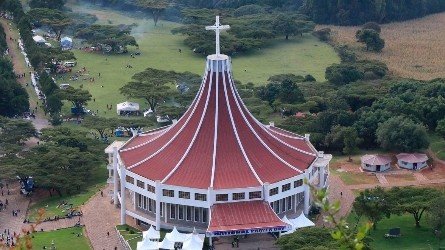

The Subukia Shrine, one of Nakuru County’s most famous cultural and spiritual landmarks, is set to undergo a major rehabilitation project aimed at upgrading it to international standards. The shrine, which has long been a center of spiritual significance and a place of cultural heritage for the local communities, will see improvements that will not only preserve its historical value but also make it accessible to a wider audience, including tourists and researchers.
The rehabilitation project comes after years of calls from community leaders, cultural activists and the local government to protect and promote the shrine. Subukia Shrine has been a site of traditional rituals and spiritual practices for generations, attracting both local worshippers and visitors from other parts of Kenya. Despite its importance, the site has faced challenges such as environmental degradation, lack of proper facilities and limited accessibility.
The project is expected to address these challenges comprehensively. Plans include the construction of visitor centers, proper pathways, signage for cultural and historical information and amenities such as rest areas and sanitation facilities. Landscaping around the shrine will also be improved to preserve the natural environment while enhancing the overall visitor experience. These efforts are designed to make the shrine a safe and welcoming site for both locals and international visitors.
Funding for the project is being provided through a combination of county government allocation, private sector partnerships, and cultural preservation grants. Nakuru County officials have emphasized that the rehabilitation of the shrine is part of a broader strategy to promote cultural tourism in the region. By upgrading the shrine to international standards, they hope to attract tourists, researchers and cultural enthusiasts, which in turn will create economic opportunities for the local communities.
Community involvement has been a central aspect of the planning process. Local elders, cultural practitioners, and youth groups have been engaged in consultations to ensure that the project respects the spiritual and cultural significance of the shrine. Authorities have assured that the rehabilitation will not interfere with ongoing traditional practices but will instead provide a framework to protect the site while allowing controlled and respectful access.
Experts in cultural heritage have also been involved in the project to guide restoration efforts and ensure that historical authenticity is maintained. The shrine’s structures, carvings, and sacred spaces will be carefully preserved, with some areas being reinforced to withstand natural wear and tear. The project will also incorporate measures to prevent vandalism and environmental damage in the future.
Once completed, the Subukia Shrine is expected to become a model for cultural and spiritual site preservation in Kenya. It is anticipated to host cultural events, guided tours and educational programs that highlight the spiritual and historical significance of the shrine. The initiative is also seen as a step toward preserving Kenya’s rich indigenous heritage, which faces threats from modernization and urban expansion.
The rehabilitation project is scheduled to begin later this year, with completion expected within the next two to three years. County officials have expressed optimism that the upgraded shrine will not only serve as a spiritual center but also contribute to Nakuru’s profile as a cultural tourism destination. With careful planning and community participation, the Subukia Shrine is set to retain its sacred character while becoming a well-preserved site that can be appreciated by future generations.
In addition to tourism, the project is expected to provide job opportunities for local artisans, construction workers, and guides. Training programs will also be introduced to equip local youth with skills in cultural preservation, hospitality and heritage management. The initiative, therefore, combines both cultural preservation and socio-economic development, making it a milestone for Nakuru County.
The Subukia Shrine has always been more than a spiritual site; it is a symbol of cultural identity and history for the local communities. By rehabilitating it and bringing it to international standards, Nakuru County is taking significant steps toward valuing and promoting Kenya’s cultural heritage while providing sustainable benefits for its people.
The shrine’s rehabilitation is expected to inspire similar projects across the country, encouraging the preservation of other sacred and historical sites. For the people of Nakuru and Kenya at large, the upgraded Subukia Shrine will stand as a bridge between tradition and modernity, honoring the past while embracing the future.
Comments (0)
Leave a Comment
No comments yet. Be the first to share your thoughts!