
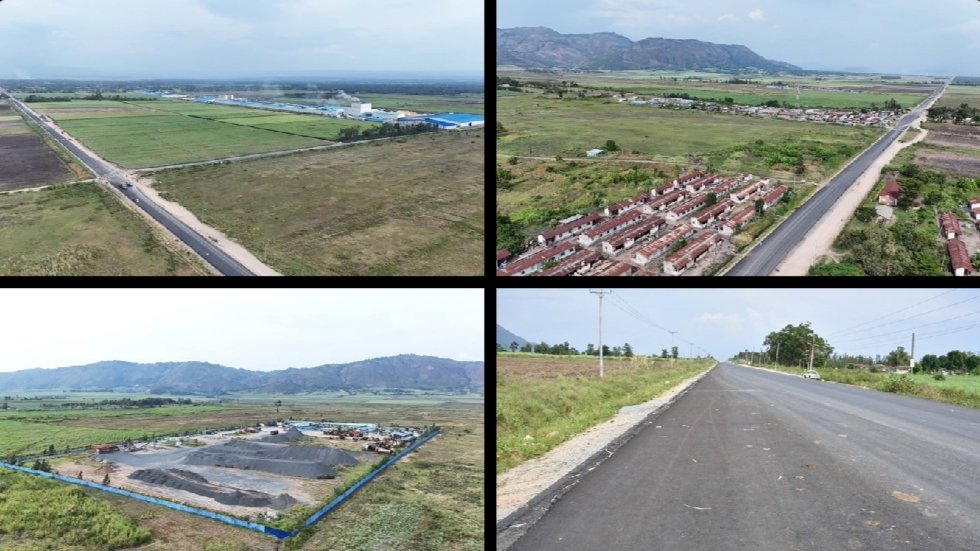

Principal Secretary Raymond Omollo released a statement February 17 outlining the status of the Mamboleo–Miwani–Chemelil–Muhoroni–Kipsitet Road, designated C674. The 122-kilometre corridor traverses Kisumu, Nandi and Kericho counties in western Kenya's primary sugarcane region. He presented the project as under active reconstruction within the government's ongoing infrastructure programme.
The main carriageway reconstruction covers roughly 63 kilometres, with feeder roads and ancillary works extending the total to 122 kilometres. Completion will provide a bypass diverting heavy traffic from the congested Ahero section near Kisumu City, reducing urban bottlenecks and facilitating steadier sugarcane transport to mills.
The Kenya National Highways Authority manages the scheme, divided into three lots after funding shortfalls suspended operations for years. Payments to settle arrears allowed resumption, and site activity has since resumed across portions. China Railway No. 10 Engineering Group executes Lot 1 from Mamboleo Junction to Miwani. Sinohydro, joint-ventured with Grageb Agencies, handles Lot 2 from Miwani to Chemelil. H. Young EA Ltd undertakes Lot 3 from Chemelil to Kipsitet.
Omollo noted the Interior ministry's involvement in providing security and liaising with local leadership to safeguard sites, address community concerns and limit disruptions in densely farmed areas where land and access disputes can arise.
The road carries weight for the sugar sector, which has long suffered from inadequate transport. Rainy seasons render sections impassable, potholes damage vehicles, and prolonged delays cause cane deterioration before reaching factories. Upgraded surfacing aims to minimise losses, cut vehicle maintenance expenses and ensure consistent mill deliveries. It further supports broader trade by offering a more direct route to borders with Uganda, Rwanda, Burundi and eastern DRC.
People along the route have repeatedly voiced frustration over how long the project has taken. Residents and users have described the delays as excessive, pointing to years of stalled progress before recent resumption. Some earlier complaints highlighted poor conditions persisting after initial works, with calls for faster delivery and better oversight.
Responses to recent updates show mixed views. Certain posts include site photographs depicting earthworks or tarmac advances in areas like Mamboleo Centre or Kibigori. Others raise questions about pace in specific stretches or seek clarity on completion levels. References to around 80 percent progress have circulated informally, but the official statement avoids precise figures and focuses on current activity.
The upgrade contributes to efforts aimed at revitalising agriculture in the region. Sugar production has declined from previous levels due to outdated processing facilities, elevated costs and import pressures, though dependable roads remain essential to any improvement. Comparable road rehabilitations in other parts of Kenya have reduced transit times and supported increased economic flows.
The February statement provides no revised completion schedule. Historical interruptions from weather and funding indicate potential for further adjustments. Contractors proceed with mobilisation, advancing grading, drainage and base layers at differing rates per lot. Local monitoring continues, particularly in zones with intensive cane transport.
Communities in Muhoroni, Chemelil, Miwani and Kipsitet anticipate tangible relief from shorter journeys to markets, education and health facilities, reduced seasonal inaccessibility and improved connectivity to Kisumu's distribution networks. Dairy operations in Nandi and tea production near Kericho may benefit indirectly from enhanced regional links.
Omollo situated the corridor within a national approach treating roads as vital to livelihoods and regional integration. Emphasis on inter-agency collaboration and community engagement draws from experiences on other rural developments where such coordination proves critical.
With ongoing site works and periodic official communications, the project advances toward operational status in a crucial agricultural area. The long timeline has drawn public attention, underscoring the need for sustained momentum to deliver the intended connectivity.
Comments (0)
Leave a Comment
No comments yet. Be the first to share your thoughts!