

The sewer system currently serving Nairobi was built in 1970 and has long exceeded its original design capacity. Rapid city growth has placed increasing strain on the old network. Many residents have turned to unsafe disposal methods that pollute the Nairobi River and expose communities to health risks.
In response the government has started work on a modern sewer network. The project forms a central part of the Nairobi River Regeneration Programme. It aims to provide infrastructure that matches the needs of the expanding capital and nearby regions.
At the core of the programme are twin trunk sewer lines running along both banks of the river corridor. These lines stretch approximately 28 kilometres in total. The design allows the system to handle significantly larger volumes of wastewater than the existing network can manage.
Upon completion the new lines are expected to process up to 310 million litres of wastewater each day. This capacity will bring relief to several Nairobi areas that currently rely on the overloaded system. The listed zones include Westlands, Lavington, Kangemi, Kawangware and Kikuyu.
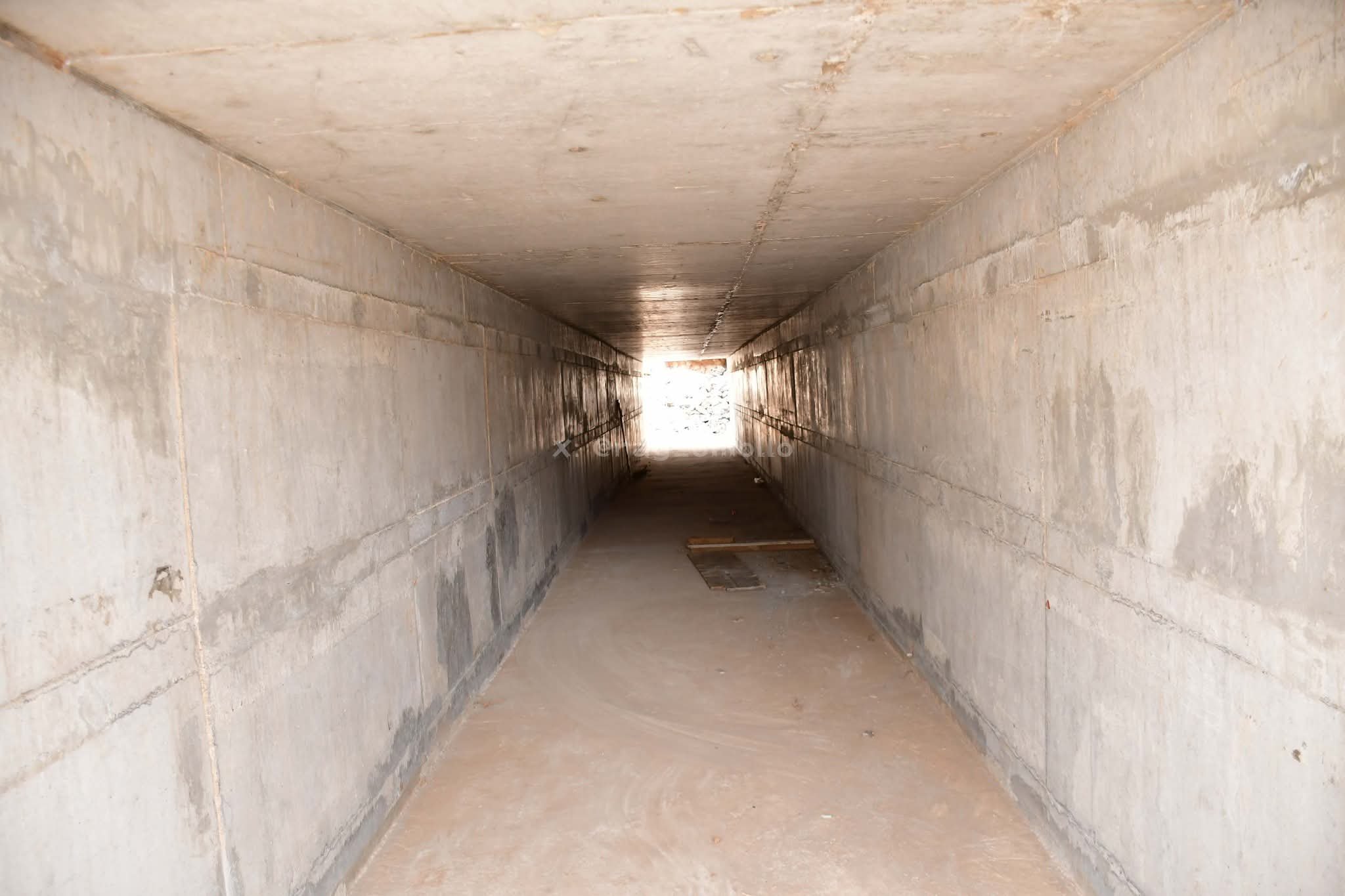
Casted trunk sewer line /Handout
The project seeks to reduce pressure on the aging infrastructure that dates back more than five decades. By capturing more wastewater before it reaches the river the works should help limit pollution and the associated health hazards faced by riverside communities.
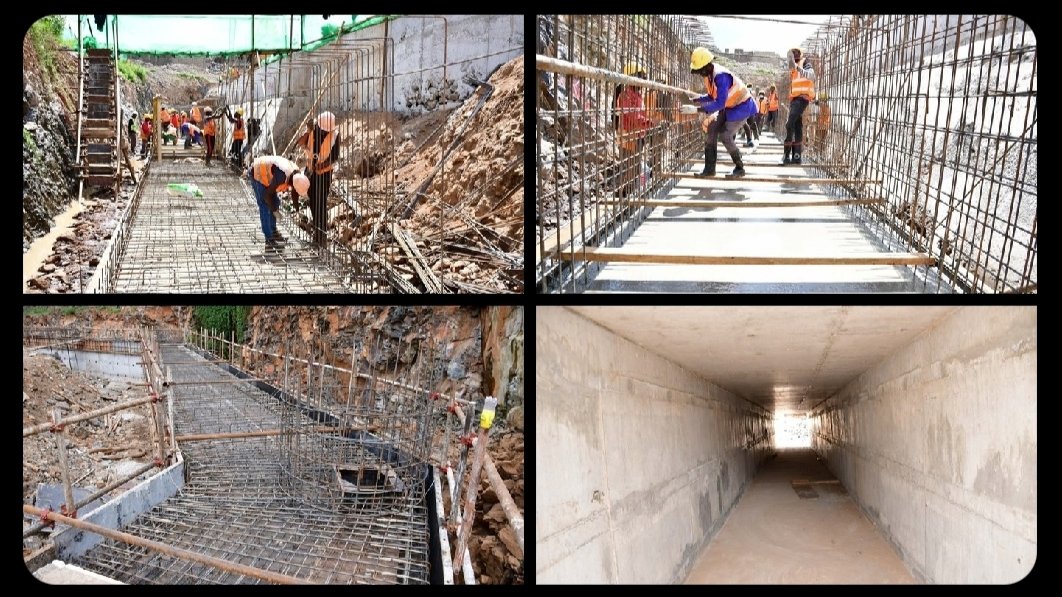
Construction images from the site show workers installing reinforcement steel and concrete structures in deep excavations. These activities form part of the trunk line development along the river banks. The scale of the works reflects the size of the capacity upgrade required.
The initiative addresses a long standing infrastructure gap in Kenya’s capital. Older sewer lines were never intended to serve today’s population and urban footprint. The twin trunk system represents a direct attempt to close that gap with purpose built facilities.
Areas such as Westlands and Kangemi stand to benefit directly once the lines become operational. Similar gains are expected in Kawangware and Kikuyu where current disposal practices have created environmental and public health concerns. The project therefore carries implications beyond simple network expansion.
The government has framed the sewer works as essential support for the broader Nairobi River Regeneration Programme. Cleaner water courses and reduced health risks for residents form part of the intended outcomes. Delivery of the trunk lines will mark a concrete step toward those objectives.
Comments (0)
Leave a Comment
No comments yet. Be the first to share your thoughts!