
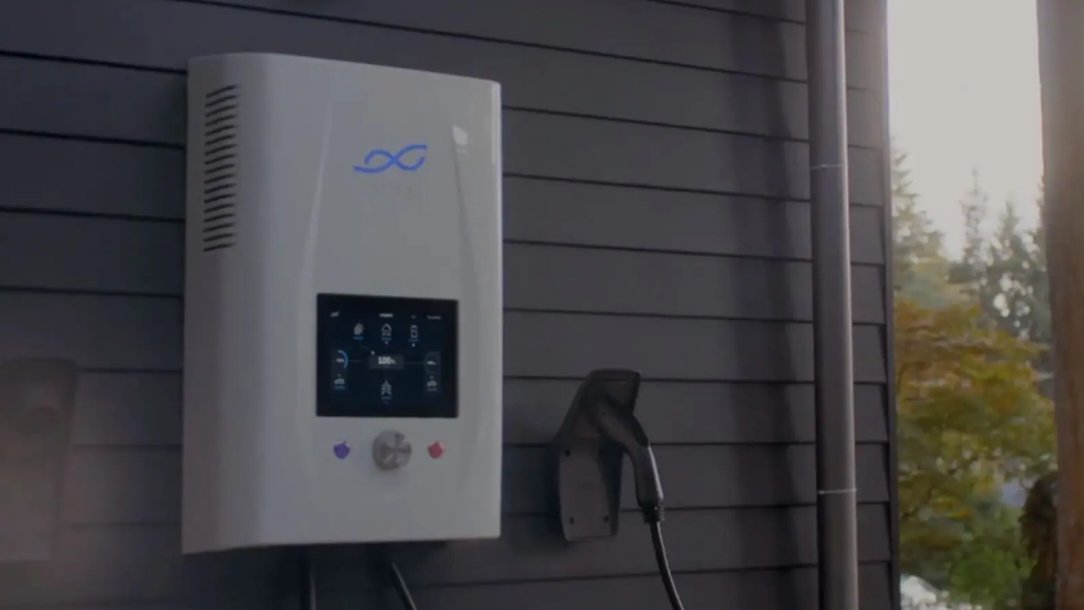

American energy companies are introducing financial mechanisms designed to integrate residential solar generation with electric vehicle storage.
The initiative allows property owners to combine existing state framework provisions with specific utility rebates to fund home installations capable of delivering emergency backup electricity.
Under the current pricing structure, qualified applicants in California can access total funding packages reaching $18,300.
These financial incentives target property owners who connect residential photovoltaic panels directly to Electric Vehicle (EV) batteries, establishing a dual-purpose system that functions as a localized Battery Energy Storage System (BESS).
The combined system architecture enables residential properties to store surplus solar power generated during off-peak daylight hours.
Stored energy can subsequently be dispatched back into household circuits during utility outages or periods of high grid demand, operating similarly to localized Virtual Power Plant (VPP) networks.
Residential energy storage projects typically face high initial hardware costs, particularly when integrating bidirectional vehicle chargers with standard distribution panels.
The available funding combines state-level environmental grants with performance incentives offered by local electric utilities seeking to manage regional distribution loads.
State and utility representatives note that combining these financial instruments reduces upfront equipment costs while aiding overall electrical grid stability.
The system integration model allows utilities to draw upon distributed residential capacity during peak demand periods without requiring direct construction of additional central grid generation facilities.
Comments (0)
Leave a Comment
No comments yet. Be the first to share your thoughts!