
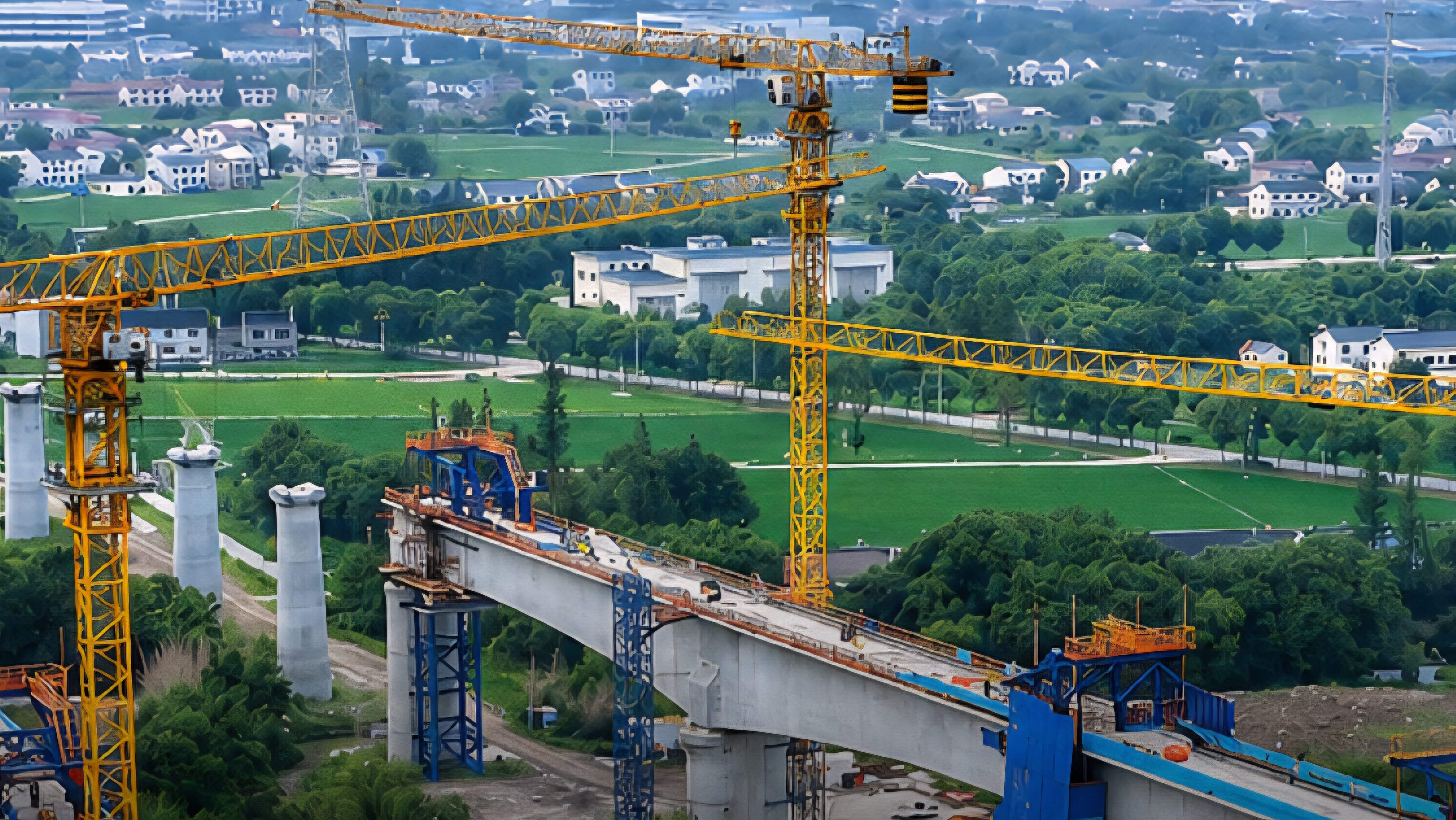

China has outlined its official infrastructure development targets for the upcoming 15th Five-Year Plan (FYP) period running from 2026 to 2030. The central strategy focuses on creating a modern integrated transport network featuring broader rural coverage, deeper regional accessibility, and stronger international supply chain links.
Under the newly announced blueprint, transport authorities plan to upgrade approximately 80,000 kilometers of existing infrastructure across the country. Additionally, construction teams will construct and renovate 500,000 kilometers of rural roads to improve local access.
Urban development remains a core pillar of the strategy. State planners intend to establish 20 international and 80 national comprehensive transport hub cities to streamline regional transit.
Freight movement will also undergo significant technical improvements under the national framework. Approximately 1,000 major freight nodes are scheduled for upgrades, which will enhance overall multimodal transport capabilities between rail, road, and water routes.
Government officials aim to raise the completion rate of the main framework for the national comprehensive three-dimensional transport network to 95 percent by 2030. This objective builds directly on baseline assets established during the prior 14th FYP spanning from 2021 through 2025.
By the conclusion of 2025, total operating transport network length in China exceeded 6 million kilometers. That foundational network established a robust platform for further logistical expansion and regional integration.
Railways have formed the backbone of this massive national footprint. Operating track length for High-Speed Railway (HSR) systems surpassed 50,000 kilometers, representing the largest high-speed rail layout currently operating anywhere in the world.
Roadway expansion recorded similarly substantial metrics over the same period. Total operational highway coverage reached 199,000 kilometers, linking major industrial zones, agricultural hubs, and coastal shipping ports.
Maritime and river infrastructure also expanded considerably across major trade waterways. Coastal and inland ports recorded 3,061 port berths capable of handling commercial cargo vessels weighing 10,000 tonnes or more.
Aviation capacity grew in parallel to accommodate rising passenger and air freight demands. The national civil aviation network operated 270 commercial transport airports, expanding cargo capabilities across key inland provinces.
Logistics networks also set world records for overall domestic volume. China currently operates the world's largest parcel delivery system measured by total population served, moving millions of shipments daily.
Rather than focusing solely on physical network expansion, the 15th FYP prioritizes system integration and operational quality. Transport planners emphasize that seamless connections between airports, maritime ports, and railway terminals will drive future efficiency gains.
Intercity transit within major metropolitan clusters will see dedicated investments. Transport ministry projections suggest that higher intercity commuting efficiency will allow a broader percentage of urban residents to access one-hour commute corridors.
Digitalization and zero-carbon corridors also feature prominently in the long-term design. State agencies plan to accelerate smart highway deployments and install additional high-power charging stations along major expressways.
International connectivity remains essential for cross-border trade flows. By improving air cargo links and strengthening key logistics facilities overseas, China intends to secure trade routes while expanding global freight options for domestic exporters.
This comprehensive shift toward balanced rural development, urban commuting, and high-tech logistics outlines the next chapter of national infrastructure policy. Construction projects scheduled through 2030 will solidify these multi-modal transit networks.
Comments (0)
Leave a Comment
No comments yet. Be the first to share your thoughts!