
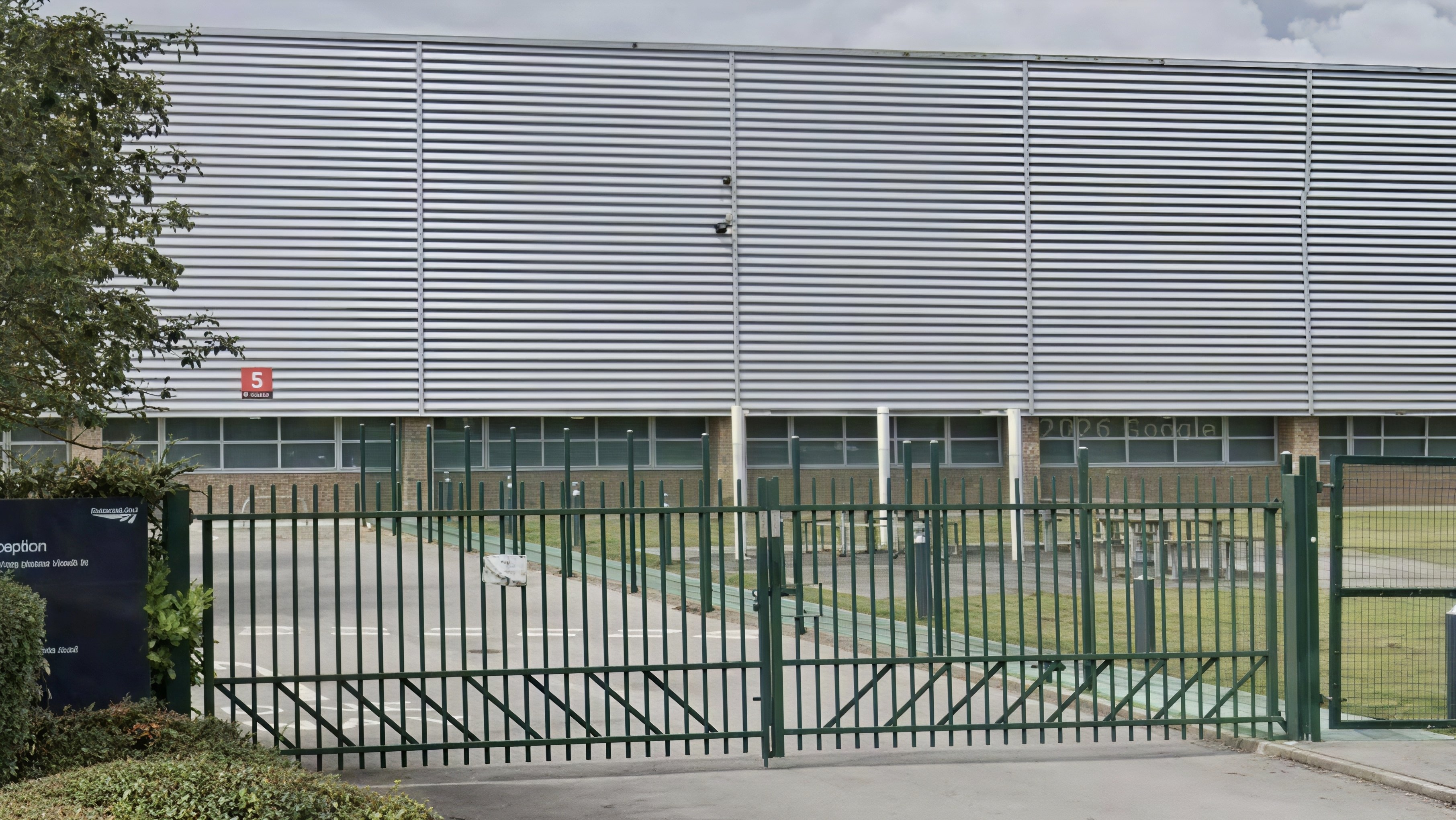

A Network Rail building in York that houses historical records tied to Britain's railway network has been approved for a large rooftop solar installation, following a decision by City of York Council.
The building sits at Clifton Moor Retail Park on Audax Road and functions as an archive, storing documents relating to the country's rail history. Under the approved plans, 703 solar panels will be fitted to its roof.
Once installed, the array is expected to reach a capacity of up to roughly 358 kilowatt-peak, based on figures included in the planning application. That places it firmly in the range of a large commercial rooftop system rather than a small-scale residential installation.
Council planning officers cleared the scheme after concluding that the building's height would keep the panels out of view from public vantage points. That assessment played a central role in the approval, since visual impact is one of the main factors weighed in planning decisions involving rooftop solar on industrial buildings.
Officers also found that the surrounding area's industrial character meant the panels would not look out of place. According to the Local Democracy Reporting Service, the council concluded the panels would not sit near any residential dwellings, ruling out concerns over glare affecting neighbours.
Planning officers summarised their reasoning by stating the proposal was "assessed as being acceptable in both design and external considerations."
The approval adds to a wider pattern of rooftop solar being fitted to large commercial and industrial buildings across the UK, where flat or gently pitched roofs and high daytime electricity demand make such installations increasingly common. Retail parks and warehouse-style buildings, similar in form to the Clifton Moor site, have become frequent hosts for arrays of this scale because their rooflines can accommodate hundreds of panels without altering the surrounding streetscape.
Kilowatt-peak, the unit used to describe the system's capacity, measures the maximum output a solar array can generate under standard testing conditions. A system rated at around 358 kilowatt-peak would typically be capable of supplying a meaningful share of a building's daytime electricity needs, though actual output varies with weather, panel orientation and seasonal daylight hours.
Network Rail has not detailed how the electricity generated will be used within the archive building, and the planning approval itself relates only to the physical installation of the panels rather than their operational purpose. Construction timelines for the project have not yet been made public.
The decision was handled through the Local Democracy Reporting Service, which covers council proceedings across the region, including planning matters affecting York and the surrounding area.
Comments (0)
Leave a Comment
No comments yet. Be the first to share your thoughts!