
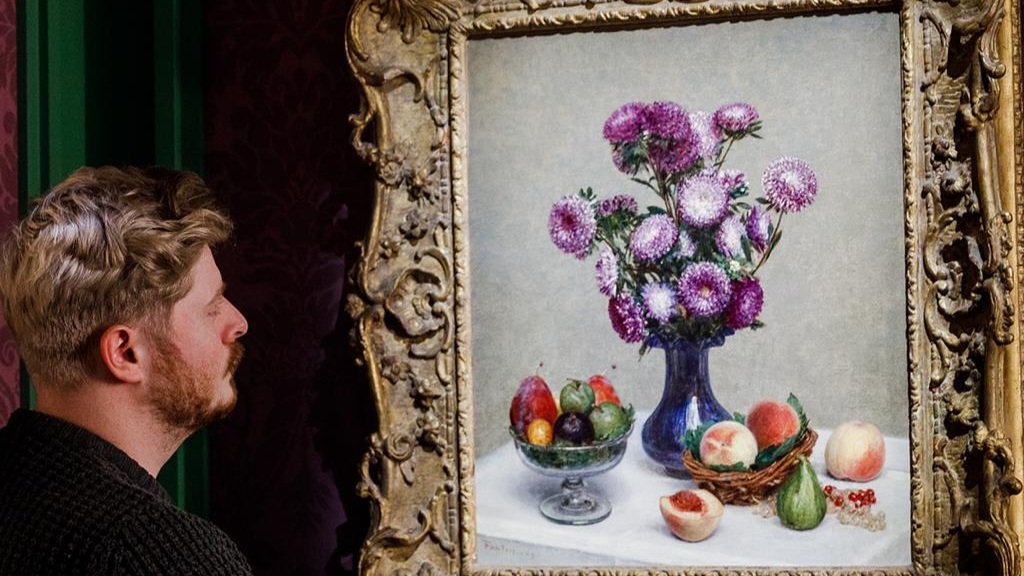

Nearly $1 trillion in private art collections is expected to change hands over the next decade as part of a historic wealth transfer. Industry reports indicate that existing market demand and institutional capacity will fall far short of absorbing the sheer volume of pieces entering circulation.
The unprecedented accumulation stems from decades of accelerated spending by baby boomers, born between 1946 and 1964. Enhanced purchasing power led to expanding personal collections, supporting a rapid growth of commercial galleries and working artists.
Many heirs now face significant logistical and financial burdens associated with maintaining these collections. Multiple secondary market representatives report that private heirs often lack the interest, storage capacity, or funds required to preserve vast arrays of art.
Institutions also face constraints. Museums frequently reject proposed donations unless accompanied by substantial financial endowments to cover perpetual maintenance and storage.
Market analysts note that works by non-tier-one artists face steep valuation drops. Without clear secondary market interest, substantial portions of inherited inventory risk being liquidated at steep discounts through general estate sales.
Efforts to market inherited works independently often require significant time, art consultancies, and digital infrastructure. While isolated instances of posthumous success occur, most estate-held works remain unsold on consignment for extended periods.
Researchers point to a natural cycle where cultural interest in period-specific art tapers off over subsequent generations. As public attention shifts, secondary market liquidity for mid-tier historical pieces deteriorates rapidly.
The impending transfer underscores a structural shift across the global art economy. With supply far exceeding institutional demand, the valuation of non-masterpiece private collections faces prolonged market recalibration.
Comments (0)
Leave a Comment
No comments yet. Be the first to share your thoughts!