
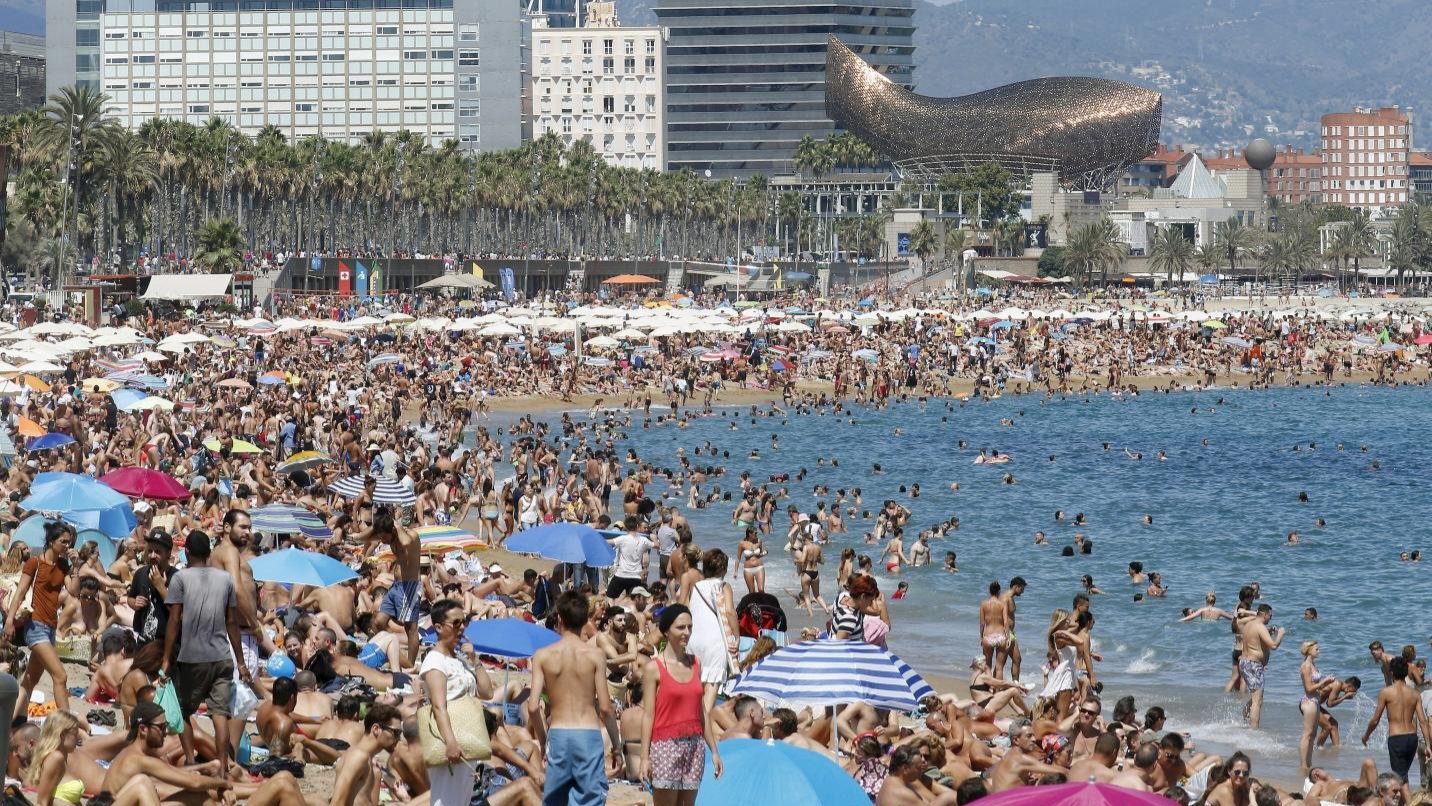

Spain has recorded a historic influx of international visitors in the first five months of this year, signaling an intense period of demand that places direct operational pressure on the European nation's transport and hospitality infrastructure.
According to recent data published by the National Statistics Institute (INE), the country welcomed 36.8 million foreign tourists between January and May. This figure represents a five percent increase compared to the same period last year.
This growth occurs despite widespread global economic uncertainty stemming from the Middle East conflict. The numbers indicate a robust resilience in international travel demand, which continues to drive heavy utilization of Spain's gateway infrastructure.
The data shows that May was a particularly busy month. The country welcomed nearly 10.3 million international arrivals during those four weeks alone, which is a 9.5 percent surge compared to the same month in the previous year.
In terms of source markets, the United Kingdom (U.K.) retained its position as the largest contributor of visitors. More than 7.0 million British tourists traveled to Spain during the five-month window, reflecting a 3.6 percent year-on-year increase.
France ranked as the second largest source market, contributing 4.6 million arrivals. Germany followed closely behind, sending 4.5 million international visitors to Spanish destinations during the same period.
This massive volume of visitors has translated into substantial financial inflows. Total expenditure by international tourists increased by 7.8 percent during the five months, reaching 50,257 million euros, equivalent to approximately 57,448 million United States Dollars (USD).
Analysts attribute this growth to several combined factors. These include the steady recovery of long-haul travel, particularly from the Americas, alongside a notable rebound in international business travel.
Travelers are also increasingly seeking out destinations perceived as safe and stable amid ongoing geopolitical shifts. This trend has directed a significant portion of European holiday traffic toward traditional Spanish coastal and urban hubs.
The sustained increase in visitor volume follows a historic previous year. Spain welcomed 96.8 million foreign tourists in the preceding twelve-month period, which was a 3.2 percent increase from the year before that.
That total secured Spain's position as the second most visited country globally. It sits just behind France, which recorded 105 million international visitors over the same annual timeframe.
To accommodate this relentless growth and prevent its transport hubs from reaching absolute technical capacity, Spain is advancing substantial civil infrastructure investments. The state airport operator is actively executing critical capacity upgrades across its network.
The Spanish government authorized an additional investment of 351 million euros up to the end of this year. This funding supplements the existing five-year Airport Regulation Document (DORA) framework.
These capital works are explicitly designed to accelerate terminal upgrades and integrate advanced security screening systems. Key air hubs receiving immediate infrastructure funding include Palma de Mallorca Airport and Málaga-Costa del Sol Airport.
Looking further ahead, the state airport operator has proposed a massive 13 billion euro investment plan for the upcoming regulatory period spanning from next year through to the end of the decade.
This upcoming wave of infrastructure expenditure will focus heavily on large-scale terminal expansions. The objective is to provide sufficient long-term capacity for the millions of additional international passengers expected in the coming decades.
Comments (0)
Leave a Comment
No comments yet. Be the first to share your thoughts!