
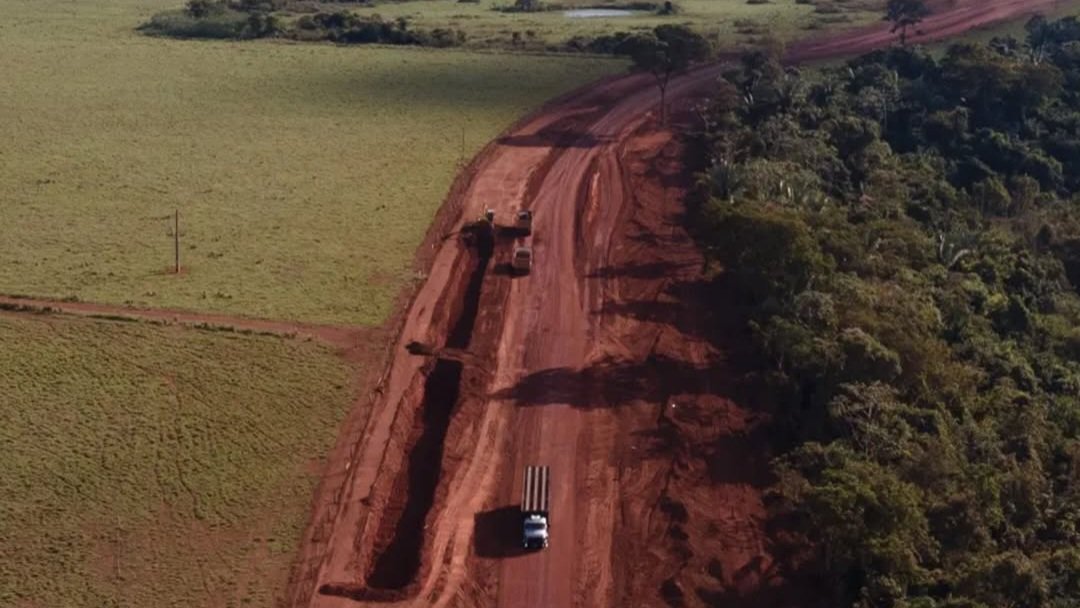

Deforestation enforcement along South American borders has triggered unexpected regional displacement across tropical forest zones. Stricter environmental monitoring inside Brazil has pushed agricultural clearing and timber activities across the border into neighbouring Bolivia.
Satellite data from the National Institute for Space Research (INPE) indicates that Brazilian forest clearing dropped significantly following intensified field inspections. However, satellite monitoring across the frontier reveals accelerated land clearing in Bolivia, where regulatory oversight remains limited.
Commercial agricultural expansion, particularly for soy cultivation and cattle ranching, drives much of this timber clearing. Large corporate ventures and smallholders seeking lower land acquisition costs are migrating operations westwards, which puts immense pressure on Bolivian forest biomes.
Infrastructure expansion accompanies this shift in agricultural activity, as new access roads cut through previously undisturbed Amazonian woodland. Heavy earthmoving equipment now clears corridors to facilitate bulk haulage, although local environmental agencies struggle to police remote rural zones.
Environmental analysts note that cross-border leakage complicates regional conservation policies across South America. Strengthening enforcement in one jurisdiction often displaces land clearing into neighboring nations, but local economies in border regions frequently welcome the short-term capital inflows.
In eastern departments like Santa Cruz, commercial soy plantations are expanding rapidly into the Chiquitano dry forest. Local government officials have encouraged agricultural growth through flexible land conversion permits, but conservationists warn that biodiversity loss is accelerating.
Cross-border logistics networks have adjusted quickly to service the shifting agricultural footprint. Heavy transport vehicles carry equipment and harvested crops along newly graded dirt roads, when weather conditions permit movement during the dry season.
Financial incentives continue to favor agricultural expansion over standing timber retention across rural frontier markets. High global demand for commodities encourages developers to convert native forest into active farmland, if regulatory compliance costs remain minimal.
The European Union (EU) has introduced stricter import regulations targeting products linked to tropical forest destruction. Import controls aim to curb deforestation supply chains, but enforcement challenges persist when commodities are traded through complex international intermediaries.
Regional governments face increasing pressure to coordinate environmental policies across international boundaries. Unilateral protection measures inside Brazil cannot safeguard the broader Amazon basin, who requires unified monitoring frameworks to prevent forest destruction from shifting across national borders.
Indigenous territories in frontier regions face growing pressures from encroaching infrastructure and land clearing operations. Local leaders report rising land disputes and environmental degradation, which threatens native communities depending on intact forest ecosystems for survival.
Construction of secondary access roads continues without comprehensive environmental impact assessments. Road building equipment operates throughout remote forest corridors, but regulatory agencies lack sufficient field staff to inspect remote construction sites.
Policy experts urge regional authorities to combine law enforcement with sustainable economic opportunities for rural populations. Halting Amazonian forest destruction requires harmonized land-use regulations across neighboring South American nations, if long-term conservation targets are to be achieved.
Monitoring networks continue tracking changes in forest canopy cover using high-resolution satellite imagery across the Amazon basin. Researchers hope transparent data sharing will prompt stronger cross-border collaboration before critical forest ecosystems face irreversible damage.
Regional cooperation remains crucial as borderlands undergo rapid structural transformation. Balancing agricultural production with environmental preservation presents a persistent challenge for regional policymakers, who must reconcile economic development with long-term climate commitments.
Comments (0)
Leave a Comment
No comments yet. Be the first to share your thoughts!