
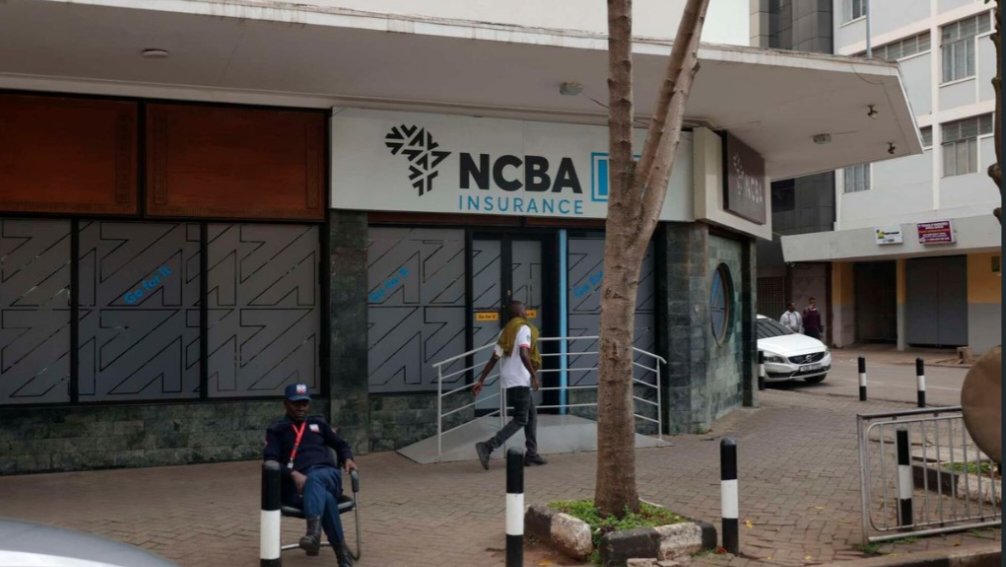

Commercial lenders across Kenya are increasing physical branch footprints beyond the 100-outlet threshold, reversing earlier contractions driven by online migration. Lenders that previously closed locations to prioritize digital services now open new offices to establish closer proximity to retail and commercial clients.
Major financial institutions, including NCBA Bank, Equity Bank, Co-operative Bank, I&M Bank, ABSA Bank, and Stanbic Bank, continue adding outlets in regional hubs. Expansion targets trading hubs and secondary towns, including Bungoma, Kapsabet, Laare, and Kilifi, alongside urban centers.
The structural push comes even as digital adoption grows across the sector. Data indicates that over 90 percent of routine transactions occur on mobile platforms, internet portals, and agency networks.
Physical branches undergo operational changes rather than serving as traditional cash transaction centers. Outlets operate as specialized advisory hubs for high-margin financial products, advisory services, account onboarding, and complex credit facilities.
The Central Bank of Kenya (CBK) previously tracked net reductions in physical branch footprints as online migration accelerated across urban centers. Recent strategic pivots, however, emphasize physical presence to build brand visibility, secure consumer trust, and support financial inclusion strategies.
Co-operative Bank Group (Co-op Bank) chief executive officer Gideon Muriuki stated that physical locations remain essential for recruitment despite heavy digital investment. The lender plans further network additions to support deposit growth and customer engagement.
Commercial real estate demand within the financial services sector remains focused on modern facilities equipped with digital integration, self-service terminals, and dedicated customer support counters.
Comments (0)
Leave a Comment
No comments yet. Be the first to share your thoughts!