

The construction and trade sectors in Mandera County face significant uncertainty following a directive from local leaders for the Wolaita community to leave the region by early February 2026. This decree, which has sparked a diplomatic and humanitarian debate, targets a group that has historically provided essential manual labor and specialized services within the local built environment and transport networks.
For years, the Wolaita have occupied a specific niche in the regional economy of northern Kenya. They are frequently employed in labor-intensive roles on residential building sites, irrigation projects, and as porters in the cross-border trade hubs. The sudden removal of this workforce is expected to create a vacuum in the local labor market, potentially slowing down private development projects and public infrastructure maintenance in Mandera Town and its outskirts.
Regional analysts note that the Wolaita community often handles the physically demanding tasks that local labor forces may avoid. This includes the manual transport of construction materials across the Dawa River and the heavy lifting required at logistics depots where goods are transferred between Ethiopia and Kenya. If the repatriation proceeds as planned, contractors may be forced to seek alternative labor sources from further afield, likely increasing project costs and timelines.
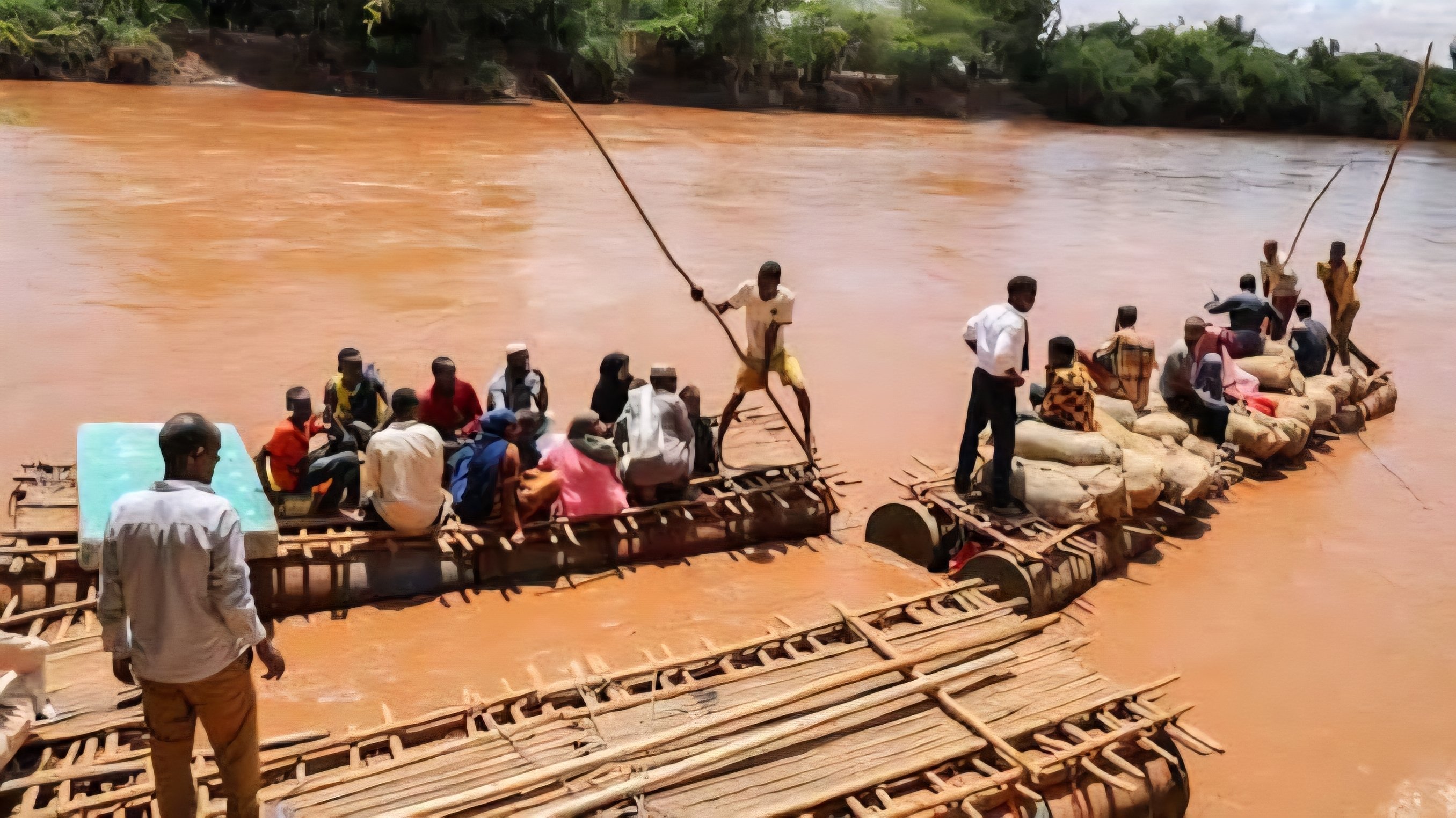
The logistics of the repatriation itself highlight the fragile infrastructure of the border region. Images from the area show community members and their belongings being transported on makeshift rafts across the Dawa River, a primary artery that defines the border between Kenya and Ethiopia. This primitive transport method underscores the lack of formal bridge infrastructure in certain segments of the county, a long-standing issue that continues to hamper formal trade and movement.
Local leaders defended the decree, citing security concerns and the need to regulate non-resident populations within the county. However, the move has been met with resistance from human rights advocates and members of the Wolaita community who have lived in Mandera for decades. Many argue that the community has integrated into the local economy, contributing to the development of the county’s commercial centers through their work in the informal construction and retail sectors.
The timing of the decree coincides with broader efforts to stabilize the Kenya-Ethiopia border and enhance regional integration through the LAPSSET corridor initiatives. While large-scale national projects are often buffered from local labor shifts, the smaller-scale urban infrastructure that supports these corridors relies heavily on the presence of resident and migrant labor. A sudden exit of a significant demographic group could destabilize the micro-economies that feed into larger provincial supply chains.
Furthermore, the repatriation raises questions regarding the legal status of cross-border workers in Kenya’s border counties. The construction industry in these regions often operates on a mix of formal and informal labor, where documentation is not always strictly enforced. This event may prompt a stricter regulatory environment for contractors and developers in Mandera, requiring them to verify the residency status of their workforce more rigorously than in the past.
As the deadline passes, the impact on the ground remains visible at the riverbanks. The movement of goods and people via rafts continues to be a bottleneck for regional development. Until formal infrastructure improvements are made and labor policies are clarified, Mandera's construction and logistics sectors will likely remain vulnerable to the social and political shifts that dictate who can work and live within its borders.
Comments (0)
Leave a Comment
No comments yet. Be the first to share your thoughts!