
The Kenya National Highways Authority has secured approval from the Court of Appeal to contest a directive that would force it to hand over Sh201 million, plus interest, to an Israeli construction company. The ruling came on January 30 after KeNHA argued it learned of the original decision too late to file a timely appeal.
The dispute traces back to road improvement works on the eight-kilometre stretch from Kisumu Boys Roundabout to Mamboleo Junction. SBI International Holdings (Kenya) handled the dualling project but walked off site in December 2018, pointing to unpaid bills and completion delays. The contract ended in termination, and a Disputes Board issued a decision in April 2019 awarding the firm Sh1.3 billion. Separate claims include a direction for KeNHA to pay Sh536 million.
In this specific instance, SBI pursued enforcement through court, leading to a default judgment. On March 21, 2025, a deputy registrar of the High Court ordered KeNHA to pay Sh201 million plus interest. The authority had not filed a defence within the required 14 days after service of documents.
KeNHA moved to appeal in May 2025, but the application arrived 56 days late. The authority explained it only became aware of the ruling after the appeal window closed and maintained it had not been properly served. In its notice of motion, KeNHA described the potential payment as a substantial loss of public funds and irreparable harm if enforced without review.
SBI's managing director, Gilad Mishni, opposed the move. He argued the authority received proper service yet failed to respond, triggering the judgment. He described the arrangement as a "pay now, argue later" mechanism common for completed works, suggesting the order safeguarded access to justice rather than inflicting harm on public resources.
The Court of Appeal judge found SBI had not shown "weighty, infirming or uncompensable" prejudice from allowing the appeal. The court accepted KeNHA's explanation on service as believable in the absence of contrary evidence. The delay, while late, was not seen as excessive or inexcusable.
The judge granted leave for the appeal, directing KeNHA to file and serve a notice of appeal within 14 days and the full record within 45 days after that. KeNHA has expressed clear dissatisfaction with the March 2025 decision and plans to challenge it entirely.
This case forms part of a longer-running conflict between the parties. KeNHA previously failed in October 2024 to push the broader Sh1.3 billion matter to arbitration. The Kisumu road project aimed to ease traffic in the western Kenya city, connecting key junctions in an area reliant on road transport for goods and people.
KeNHA manages a large portfolio of national highways and often faces claims from contractors over variations, delays, or terminations. Late payments have drawn criticism across the sector, with government agencies accumulating billions in penalties for overdue bills. In recent disclosures, KeNHA carried significant liabilities tied to delayed contractor settlements.
For SBI, the firm has pursued multiple avenues to recover funds from terminated or disputed contracts in Kenya. The current appeal permission keeps the Sh201 million on hold pending the outcome, avoiding immediate disbursement from public coffers.
The road in question remains a completed dual carriageway, though the financial fallout continues through litigation. Construction disputes in Kenya frequently involve adjudication boards before escalating to courts or arbitration, with enforcement often hinging on procedural compliance.
As the appeal process begins, both sides will prepare submissions on the merits of the payment order. The case underscores ongoing tensions in public infrastructure contracting, where timelines, documentation, and funding availability shape outcomes
Court of Appeal Grants KeNHA Permission to Appeal Sh201 Million Payment Order to Israeli Contractor
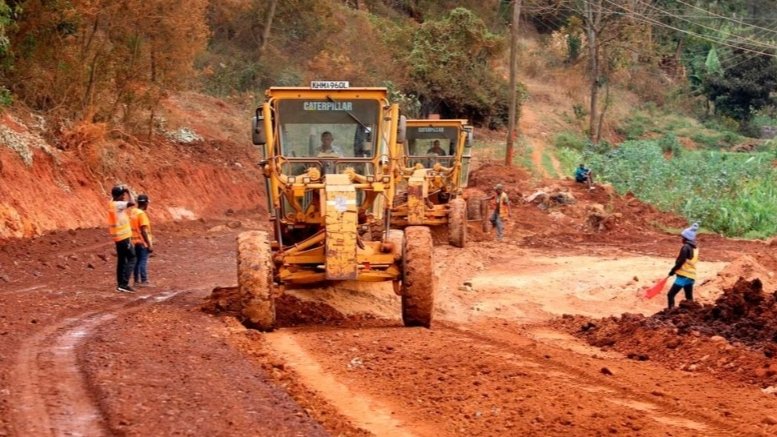
A road under construction in Kenya

The Court of Appeal has permitted KeNHA to challenge a High Court order requiring payment of Sh201 million plus interest to SBI International Holdings over disputed road works in Kisumu.
Comments (0)
Leave a Comment
No comments yet. Be the first to share your thoughts!