
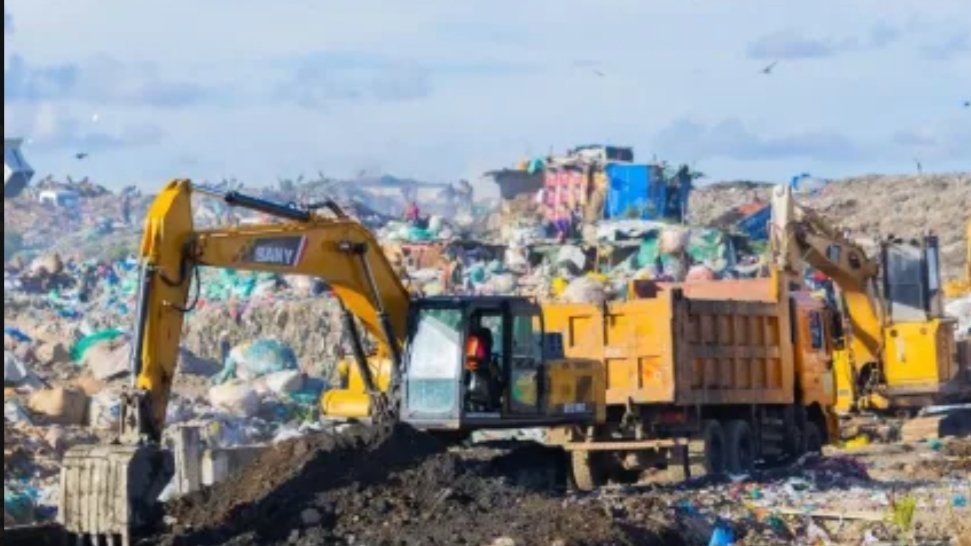

Nairobi is reshaping its solid waste system, with cleanup work at Dandora dumpsite and plans for a large resource recovery plant at Ruai. The changes have created both cleaner sections of the site and uncertainty for the thousands of informal waste pickers who depend on it.
Dandora receives an estimated 2,000 to 3,000 tonnes of waste every day, more than three times the volume it was designed to handle when it opened in 1975. An informal economy of sorting, collection, storage, transport and resale has grown around the waste stream. Estimates of the workforce range from about 3,000 families to as many as 8,000 individual pickers on a given day.
Simon Kuria has worked the site for years, tracking where valuable materials accumulate. When excavators arrived to reshape the dumpsite he feared the cleanup would end his livelihood. He now welcomes the cleaner areas but worries that less usable waste will remain as rehabilitation advances.
A survey by the Nairobi Recyclable Waste Association found that 71 percent of waste pickers reported work-related health problems. Many operate without consistent protective equipment. Respiratory illnesses linked to smoke from burning waste account for more than 100 cases a week at a local health centre.
In February the Environment and Land Court ruled that more than 1,000 waste pickers had been exposed to hazardous conditions and ordered compensation of Sh25,000 for each affected worker. The ruling recognised harm suffered by a workforce that has operated largely outside formal systems.
Zoomlion, a Ghanaian firm under the Jospong Group, holds a 20-year contract to manage Nairobi’s solid waste system, including Dandora. The company has begun clearing illegal dumpsites and improving access roads and tipping platforms at the main site.
Engineer Daniel Asante, involved in reshaping Site 41, said traffic inside the dumpsite was previously chaotic, with trucks waiting for hours. New access roads and platforms have improved the flow of waste vehicles. He said recycling was not part of the immediate rehabilitation brief and that informal pickers continue to operate independently for now.
The longer-term plan includes a resource recovery plant at Ruai designed to process 3,500 tonnes of waste a day. It is expected to open by the end of November and will provide formal facilities for sorting, recycling and composting separate from the informal economy that developed at Dandora.
Youth leader Kennedy Kariuki has called for inclusive rehabilitation that brings waste pickers into the new system. Without that inclusion, he warns, the city risks simply moving the same social and economic problems to another location.
Proper closure of a dumpsite requires more than removing waste. It involves managing leachate and monitoring groundwater long after surface works are finished. The same care may be needed for the people whose livelihoods have been tied to Dandora for decades.
Nairobi’s waste overhaul is presented as a step toward cleaner streets, better public health and more organised recovery of materials. For the pickers who have worked the site for years, the test will be whether the new infrastructure leaves them with a place in the system that replaces the old one.
Comments (0)
Leave a Comment
No comments yet. Be the first to share your thoughts!