
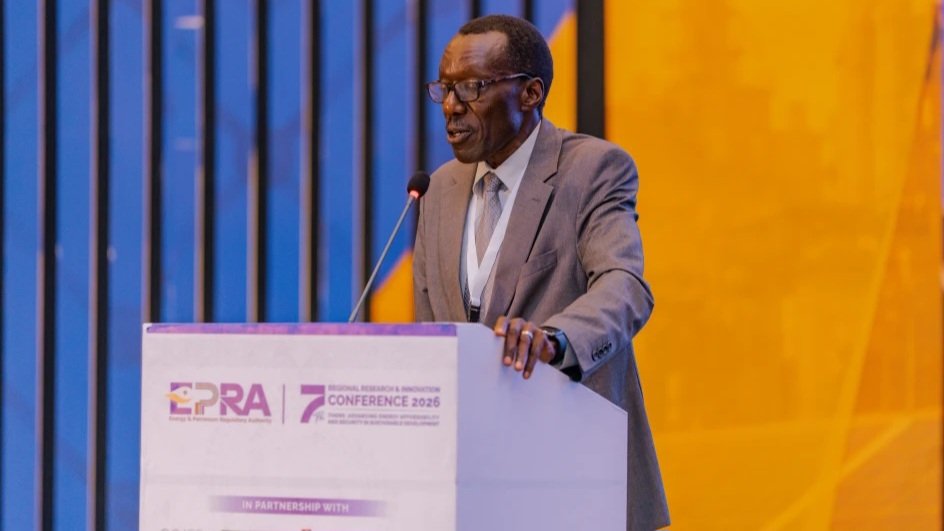

The Energy and Petroleum Regulatory Authority (EPRA) has called for a shift toward research-led collaboration among African nations to shield the continent from global energy shocks. Speaking during the 7th Annual Research and Innovation Conference in Nairobi, officials emphasized that regional integration is no longer optional for long-term stability.
Acting Director General Joseph Oketch told delegates that Africa must build robust regional systems to withstand price volatility and supply chain breaks. He noted that the current global energy transition provides a unique opening for countries to address shared vulnerabilities through integrated planning and credible data.
The week-long forum, themed around energy affordability and sustainability, comes as East Africa nears the operational launch of a fully integrated electricity market. This milestone is expected to allow for seamless cross-border power trading, potentially lowering costs for consumers by improving grid efficiency across national borders.
According to EPRA, achieving this level of integration requires more than just physical infrastructure. It demands the harmonization of regulatory frameworks and the alignment of energy policies. Without a coordinated market structure, individual countries remain isolated and more susceptible to the shifting demands of the international market.
The Authority also highlighted the necessity of standardized pricing mechanisms. By creating a predictable regulatory environment, African nations can introduce targeted policy incentives that make the continent a more attractive destination for large-scale energy investors who currently view the fragmented market as a high-risk venture.
Regional initiatives like the M300 project were cited as blueprints for success. This ambitious program aims to connect 300 million people in Sub-Saharan Africa to electricity by 2030. EPRA officials described the initiative as a testament to what coordinated action can achieve when regional goals supersede individual interests.
Infrastructure development remains a central pillar of this strategy. For the Eastern African electricity market to function, member states must invest in interconnected transmission lines and shared storage facilities. These assets would allow countries with energy surpluses to support those facing deficits during peak demand or local generation failures.
The conference underscored that energy security is inextricably linked to economic resilience. As Kenya and its neighbors navigate a period of significant price fluctuations, the push for a unified energy front is seen as a primary defense mechanism.
Regulators believe that moving away from isolated operations toward a regional energy pool will improve system reliability. This shift is expected to provide a solution to the long-standing challenges of high energy costs and limited access that have historically hampered industrial growth across the region.
Comments (0)
Leave a Comment
No comments yet. Be the first to share your thoughts!