
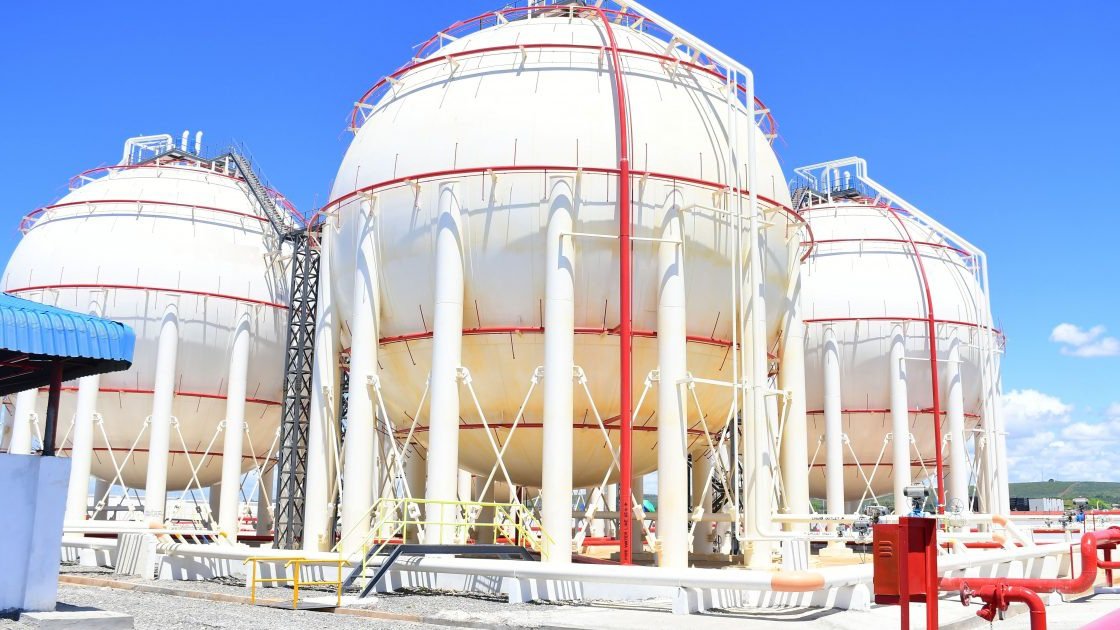

A safe and well-regulated Liquefied Petroleum Gas sector requires effective oversight across the entire value chain, according to the Energy and Petroleum Regulatory Authority. The authority’s regulatory role includes licensing LPG operators, inspecting LPG facilities, enforcing safety standards, protecting consumers and promoting compliance.
Through regulation and oversight, the authority works to ensure that LPG is handled, stored, distributed and used in a manner that safeguards consumers, industry players and the wider public. A compliant LPG sector is fundamental to building confidence in this important energy source.
LPG has become a widely used cooking and heating fuel in Kenyan households and commercial establishments. The growth in consumption has increased the need for consistent safety standards at every stage from importation and storage to distribution and final use.
Licensing of operators forms the first layer of control. Only entities that meet the prescribed technical and safety requirements are permitted to operate in the sector. Regular inspections of facilities then verify that those standards continue to be observed in practice.
Enforcement of safety standards covers both fixed installations and mobile distribution systems. The authority monitors compliance with rules governing cylinder handling, bulk storage, transportation and retail outlets. Breaches can attract corrective orders or other regulatory action.
Consumer protection is listed among the core functions. This includes ensuring that the gas reaching end users meets quality and safety specifications and that operators deal fairly with the public. Public confidence in LPG depends on the perception that the product and the systems around it are properly regulated.
Promotion of compliance is presented as an ongoing task rather than a one-off exercise. The authority works with industry players to raise awareness of requirements and to encourage voluntary adherence alongside formal enforcement.
The entire value chain is covered because risks can arise at any point. Weaknesses in storage, transportation or retail handling can affect public safety even if upstream operations are sound. Integrated oversight is therefore considered necessary.
LPG remains an important transitional fuel in Kenya’s energy mix. Its relatively clean-burning characteristics compared with traditional biomass make it relevant to household energy and environmental policy. Effective regulation supports both safety and continued market growth.
The authority’s statement underscores that regulation is not limited to licensing at the entry point. Continuous inspection, enforcement and consumer-focused measures are required to maintain a safe operating environment.
Industry players are expected to operate within the established framework. The combination of licensing, inspection and enforcement is intended to create a predictable environment in which compliant operators can function while non-compliant ones face consequences.
Public safety remains the central justification for the regulatory approach. By covering the full value chain, the authority aims to reduce the likelihood of incidents that could undermine confidence in LPG as an energy source.
Comments (0)
Leave a Comment
No comments yet. Be the first to share your thoughts!