
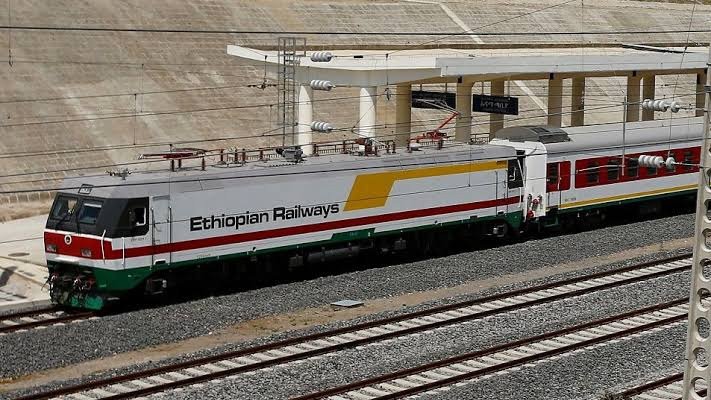

The 756-kilometre electrified Ethiopia-Djibouti railway is beginning to pick up the pace. More than 1,800 passenger trains and 6,150 cargo trains are now operating on the line.
The railway was constructed at a total cost of 4 billion dollars. Of that amount, 3.4 billion dollars came from the Chinese Exim Bank while Ethiopia raised 878 million dollars.
The line links Ethiopia’s capital Addis Ababa with the port of Djibouti. It provides the landlocked country with a direct rail connection to the Red Sea. Electrification allows for more efficient and higher-capacity operations compared with diesel services.
Current figures show passenger services have reached more than 1,800 trains. Cargo movements stand at over 6,150 trains. These numbers indicate growing utilisation of the completed infrastructure.
The project forms part of broader regional efforts to improve transport links between Ethiopia and its neighbours. Reliable rail access to the port of Djibouti remains central to Ethiopia’s import and export logistics.
Chinese financing covered the largest share of the construction cost. Ethiopia’s own contribution of 878 million dollars completed the funding package that enabled the line to be built and electrified.
As traffic volumes rise, the railway is expected to ease pressure on road transport corridors that previously carried the bulk of freight between the two countries. Passenger services also provide an alternative to road travel for those moving between Addis Ababa and Djibouti.
The scale of current operations, with thousands of passenger and cargo trains already recorded, points to increasing confidence in the reliability of the electrified service. Further growth in both passenger and freight traffic remains possible as the network matures.
The railway is one of the major standard-gauge projects completed in the region in recent years. Its electrified design supports higher speeds and lower operating costs over the long term compared with older diesel systems.
Ethiopia has long relied on the port of Djibouti for the majority of its seaborne trade. The rail link shortens transit times and reduces dependence on road haulage for containers and bulk cargo.
Passenger services offer a scheduled alternative for travellers between the two countries. The rising number of passenger trains suggests growing demand for the rail option.
Cargo trains form the larger share of current operations. The 6,150 cargo trains already recorded demonstrate that freight users are increasingly shifting volumes onto the line.
Financing from the Chinese Exim Bank was decisive in making the project viable. Ethiopia’s domestic contribution ensured local ownership of a significant portion of the investment.
The combination of external and domestic funding is common for large cross-border infrastructure in East Africa. The Ethiopia-Djibouti line stands as one of the more advanced examples of such cooperation.
Continued growth in train movements will depend on reliable maintenance, efficient terminal operations at both ends, and competitive pricing against road transport. The current figures show the line is already moving beyond the initial ramp-up phase.
Comments (0)
Leave a Comment
No comments yet. Be the first to share your thoughts!