
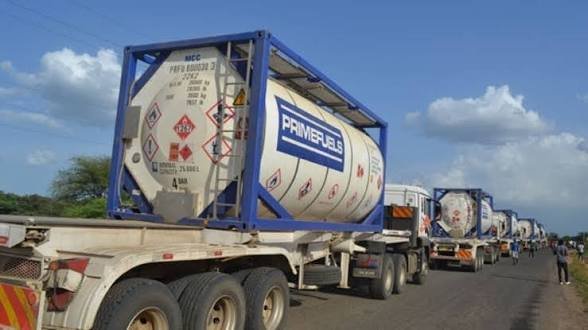

New regulatory requirements proposed for the Kenyan energy sector will compel all petroleum road tanker operators to install functional tracking devices on their fleet before obtaining or renewing transport licenses, which will alter operational protocols.
The draft rules aim to enhance monitoring within the logistics network, ensuring real-time visibility of dangerous cargo across local highways, but industry players are concerned about compliance timelines.
According to the framework published by the Energy and Petroleum Regulatory Authority (EPRA), compliance will remain mandatory for all long-distance oil marketing firms, who must register their tracking equipment directly with the state office.
The state corporation seeks to eliminate chronic instances of transit diversion, where fuel meant for regional landlocked markets illegally enters the local retail network, but enforcement has previously been difficult.
Unscrupulous distributors frequently exploit tracking gaps to evade tax obligations, although the new surveillance framework aims to seal these loopholes completely, if inspectors successfully execute their mandates.
Under the new rules, every truck must feature an approved Global Positioning System (GPS) tracking kit connected directly to a central regulatory monitoring dashboard, which tracks geographic movements instantly.
This technological integration allows compliance officers to detect unscheduled stops, route deviations, and suspicious delays, which often indicate fuel siphoning or illegal product discharging along the major corridors.
Industry analysts note that fuel adulteration damages consumer vehicle engines, but the illicit practice also cuts treasury revenues significantly, although tracking systems are expected to deter rogue traders.
A version of this news report was first carried by the Business Daily, which highlighted the growing pressure on transporter margins due to initial equipment procurement costs, but state officials remain firm.
Transporters will bear the financial responsibility of purchasing, installing, and maintaining the tracking kits, although small-scale fleet owners argue this increases their immediate overheads, if no government subsidies are provided.
Logistics conglomerates operating across East Africa already utilize proprietary fleet management systems to secure their assets, but smaller operators face a steep learning curve, which could delay full industry compliance.
The regulatory authority intends to standardize these systems, creating a unified tracking standard that leaves no room for manual tamper errors, although technical support desks must remain active.
Tanker drivers will undergo mandatory training on system handling, and transport firms must report any hardware failure within a strictly defined window, if they want to avoid automatic business disruptions.
Failure to comply with the tracking directive will lead to immediate license revocation, alongside stiff financial fines for repeat corporate offenders, who risk being blacklisted from the regional transport corridor.
Public consultations on the draft regulations are expected to attract intense debate from stakeholders, particularly the independent petroleum distributors who handle substantial volumes across the domestic market.
The Ministry of Energy and Petroleum has consistently advocated for tighter controls on downstream infrastructure, although implementation challenges remain a key talking point among transport union representatives.
Enforcing digital surveillance across the transport corridor will protect product integrity, when tankers leave the main depots for regional distribution networks, but continuous system audits will remain necessary.
The draft policy is undergoing legal review before final gazettement, signaling a stricter enforcement regime across the entire Kenyan road logistics sector, which could redefine haulage operations.
Comments (0)
Leave a Comment
No comments yet. Be the first to share your thoughts!