
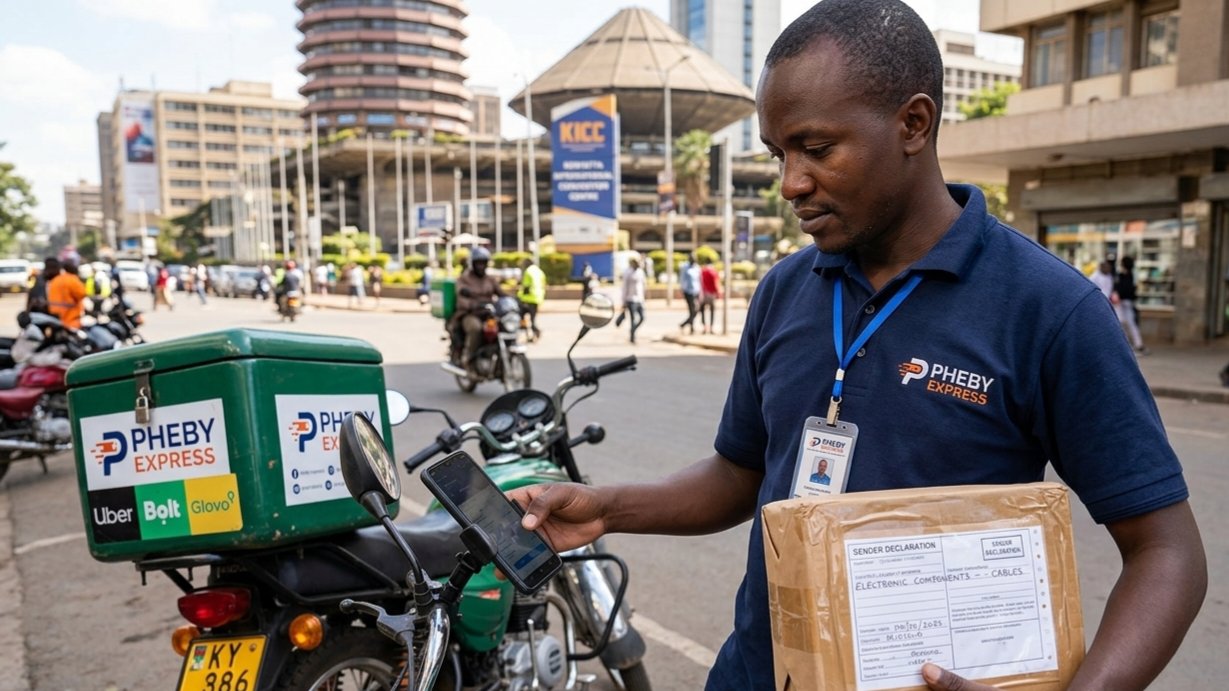

State regulatory authorities are weighing new policy guidelines for digital ride-hailing and delivery services handling light logistics across urban centers.
Under the proposed measures, individuals sending packages via platforms like Uber, Bolt, and Glovo will need to declare the exact contents of their parcels before dispatch.
Regulatory agencies point to growing safety concerns and security loopholes within the fast-expanding door-to-door courier segment.
The rapid adoption of mobile-based dispatch platforms has allowed micro-logistics operators to move items rapidly across cities, though authorities note that limited package verification creates operational risks.
Transport sector stakeholders indicate that the draft rules aim to establish standard accountability frameworks across the digital logistics chain.
If implemented, digital platforms will be required to record sender details, item descriptions, and receiver verification data into their transaction systems.
Industry operators have noted that compliance mechanisms will require software adjustments to allow users to itemize shipments before booking a courier.
Similar verification protocols exist in formal courier services, but app-based platforms historically relied on minimal item disclosure to maintain speedy dispatches.
The proposal comes amid broader efforts by government bodies to monitor parcel movement and prevent the transit of illicit or restricted goods through unverified gig-economy networks.
Further stakeholder consultations are expected to determine the technical integration timelines for platform providers.
Comments (0)
Leave a Comment
No comments yet. Be the first to share your thoughts!