

A video circulating from the Haitian capital, Port-au-Prince, shows a significant shift in local sentiment regarding the presence of international security forces. Locals have reportedly begun erecting barricades across key roads, specifically aiming to prevent Kenyan police officers from departing their current stations.
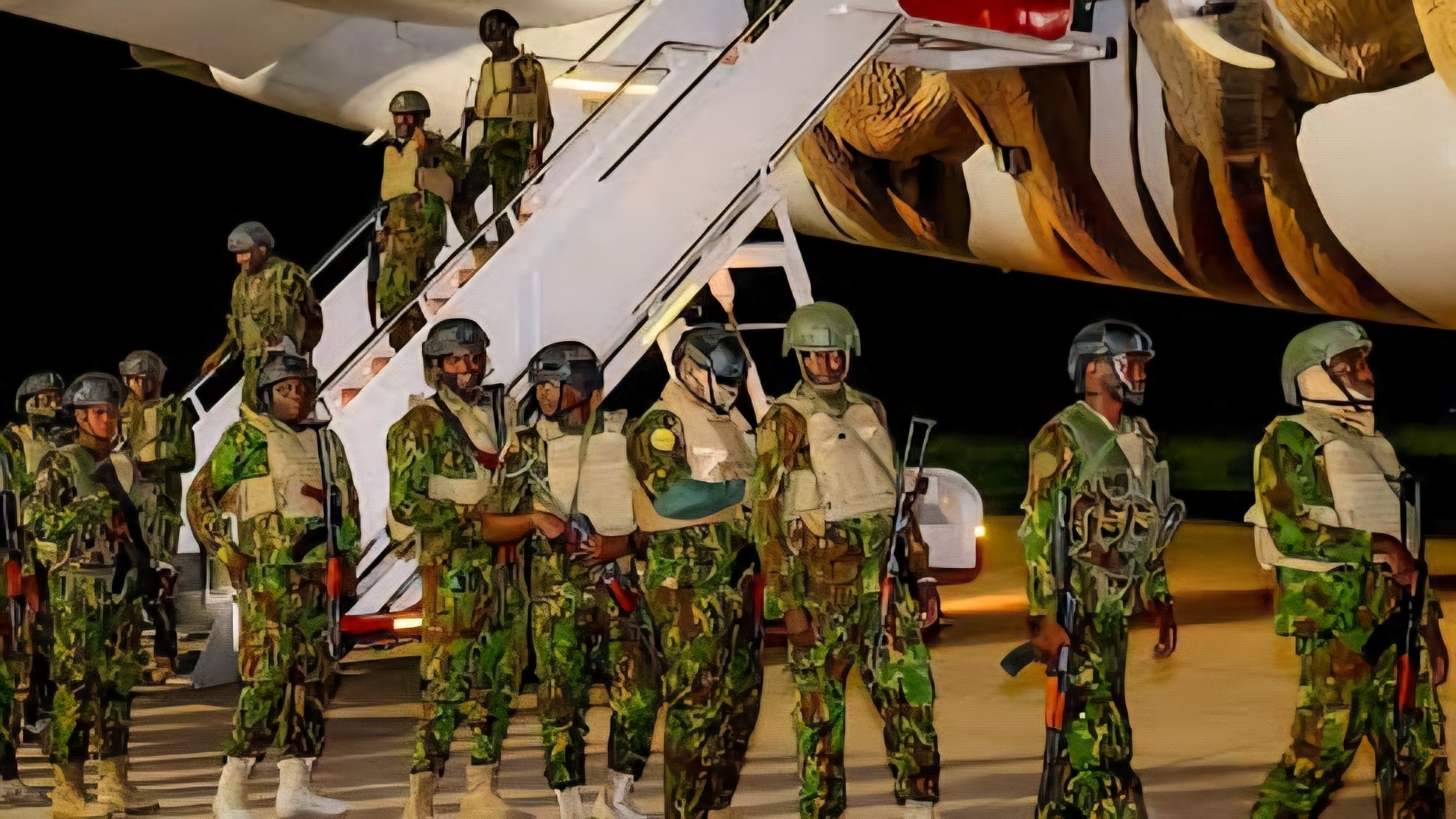
The Kenyan contingent, which forms the backbone of the United Nations-backed Multinational Security Support (MSS) mission, arrived in the Caribbean nation to help local authorities combat rampant gang violence. While the mission faced initial skepticism from various international observers, the latest developments on the ground suggest a growing reliance on the foreign officers by the local population.
The video footage indicates that residents are using debris and various materials to block paths, a tactic usually reserved for protest or defense against gang incursions. In this instance, the community appears to be using these obstacles as a plea for the continued presence of the Kenyan units, who have been patrolling high-risk areas.
President Ruto has previously emphasized that the Kenyan mission is one of "brotherhood" and "solidarity" with the people of Haiti. The mission was established following a surge in violence that saw gangs take control of nearly 80 percent of the capital, displacing thousands of families and crippling the national economy.
The presence of the officers has been credited with the reopening of some critical infrastructure, including the main international airport and several port facilities. These infrastructure points are vital for the delivery of food and medical supplies, which had been frequently hijacked by armed groups prior to the deployment.
This grassroots movement to keep the officers in place comes at a time when the mission's mandate and funding remain topics of discussion at the United Nations. There have been ongoing debates regarding the transition of the MSS into a formal UN peacekeeping mission to ensure more stable logistics and financial backing.
For the Kenyan police, the local reaction presents a unique operational challenge. While their primary role is to support the Haitian National Police in reclaiming territory, the public's refusal to let them leave indicates a deep-seated fear that gang members will return to fill the vacuum if the officers depart.
The Kenyan government has not yet issued a formal statement regarding the specific incidents of barricading. However, the mission leadership has consistently maintained that the objective is to create a secure environment so that Haiti can eventually hold long-delayed national elections.
Construction and restoration of state authority remain the broader goals of the international intervention. Ensuring that roads remain open and that the police can move freely is essential for the long-term stabilization of Port-au-Prince and the surrounding regions.
Comments (0)
Leave a Comment
No comments yet. Be the first to share your thoughts!