

The critical reliance of the Kenyan public health system on trainees has come under scrutiny following reports of operational instability in hospital wards during student holiday breaks. Medical professional Joel Jirani highlighted the precarious nature of current staffing levels, noting that many wards operate with only one qualified nurse overseeing five students from the Kenya Medical Training College (KMTC).
According to Jirani, the departure of these students for scheduled holidays often leaves facilities in a state of disorder. The situation underscores a systemic dependency on student labor to maintain basic patient care standards, a gap that persists despite ongoing calls for the recruitment of more permanent healthcare workers. Jirani questioned the reluctance of county governors to employ sufficient numbers of qualified staff, given that student rotations are intended for learning rather than primary service delivery.
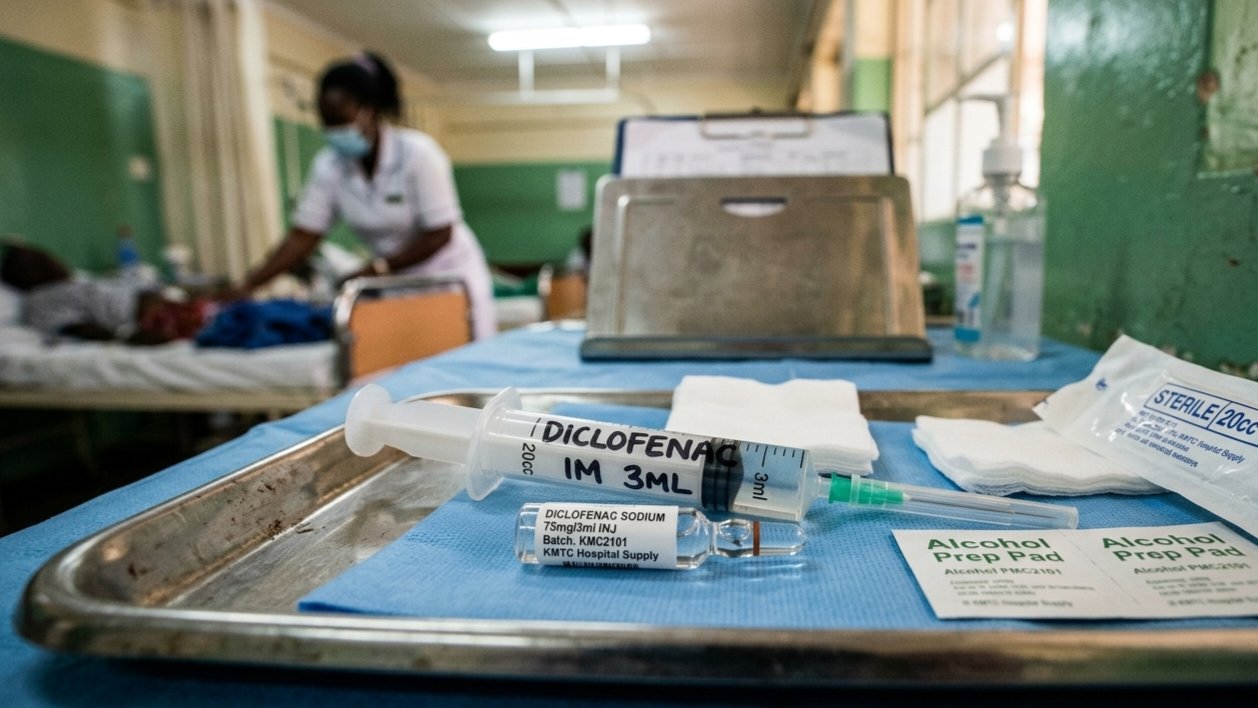
Beyond human resource challenges, the report points to significant equipment deficits within the public sector. Jirani detailed a specific instance where a 3ml intramuscular (IM) dose of Diclofenac required administration, yet the only available equipment was a 20cc syringe. Such discrepancies in basic medical consumables present technical hurdles for staff attempting to provide precise care in under-resourced environments.
The Council of Governors has faced mounting pressure to address these gaps, as healthcare workers frequently cite understaffing and lack of supplies as primary barriers to service delivery. While President Ruto has previously lauded KMTC for producing over 85% of the local healthcare workforce, the current reliance on these trainees to prevent "chaos" in the wards suggests that the transition from training to formal employment remains a bottleneck.
The situation is further complicated by broader labor issues in the sector. Recent industrial actions at major facilities like Kenyatta National Hospital have highlighted grievances ranging from delayed remittances to inadequate medical cover for the nurses themselves. These factors, combined with the equipment shortages noted by Jirani, paint a picture of a health system struggling to maintain stability without its student population.
As the government continues to promote Universal Health Coverage, the disparity between the supply of trained graduates and the actual number of employed professionals in public hospitals remains a point of contention. The exit of students on rotation serves as a periodic stress test for these facilities, often revealing that the backbone of daily ward operations is built on a temporary and unpaid workforce.
Comments (0)
Leave a Comment
No comments yet. Be the first to share your thoughts!