
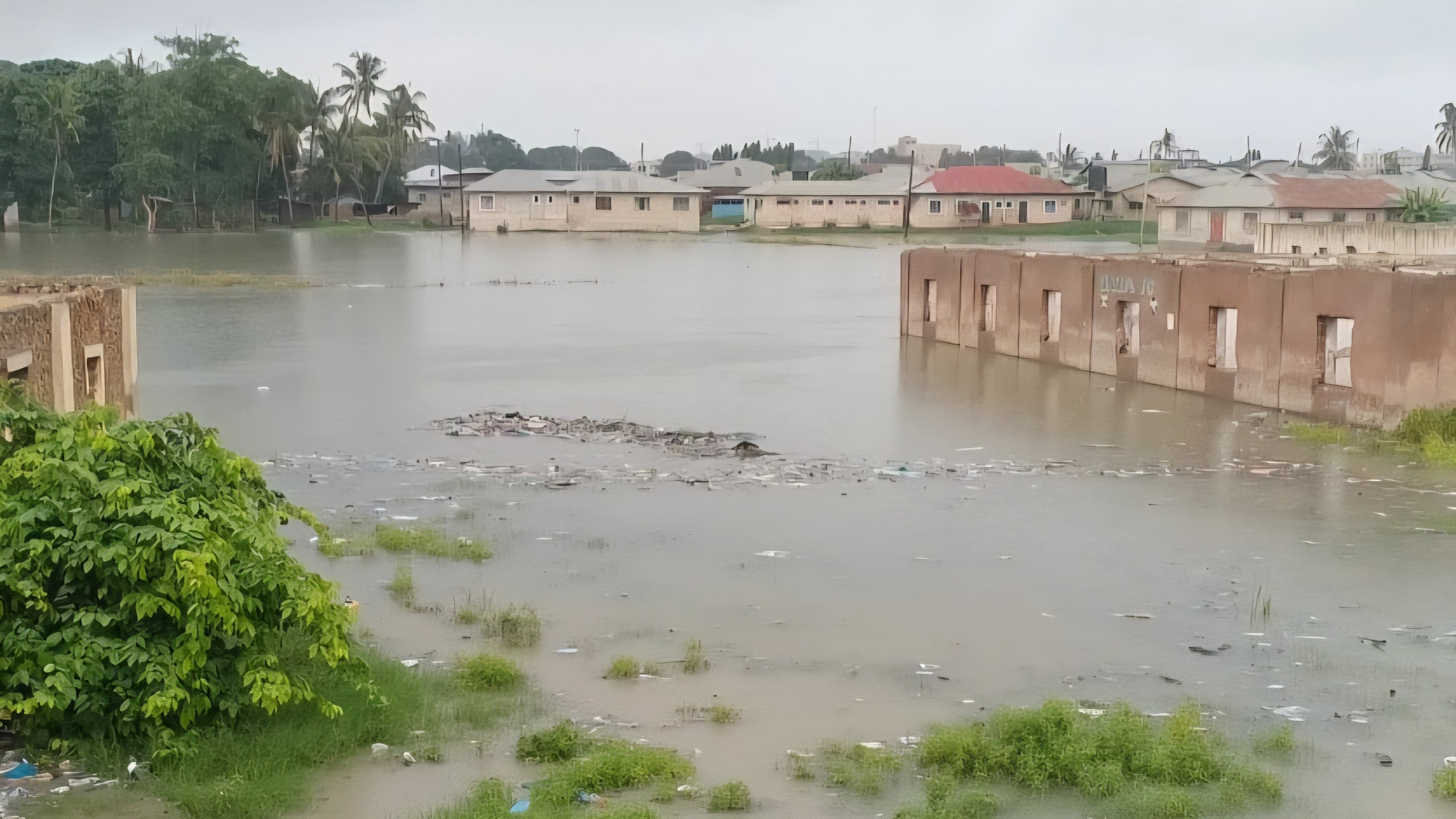

A heavy downpour accompanied by destructive winds has left more than 100 households in Mombasa and Kwale counties in distress, after water levels rose sharply over the last 24 hours.
The Kenya Red Cross Society confirmed that the most affected areas include residential zones where drainage systems failed to cope with the sudden volume of runoff.
In Mombasa, several neighborhoods reported flooded streets, making movement difficult for both pedestrians and motorists. The winds were strong enough to uproot trees and damage roofing structures in informal settlements, where housing is often vulnerable to extreme weather.
Kwale County experienced similar conditions, with rural roads becoming impassable. Local authorities noted that the rainfall has affected farming activities, although the immediate concern remains the safety of those whose houses are now partially submerged.
Emergency response teams have been deployed to the coastal region to assess the extent of the damage. The Kenya Red Cross is currently coordinating with local government officials to provide essential items to the displaced families, who are seeking temporary shelter in schools and community centers.
Meteorological reports had previously warned of increased rainfall across the coastal strip, but the intensity of the winds caught many residents off guard. The weather patterns in this region are often unpredictable during the transition between seasons, yet the current scale of displacement has raised concerns about urban drainage resilience.
Engineers and urban planners have often pointed to the rapid expansion of coastal towns as a factor that complicates water management. When natural water paths are blocked by new construction, even moderate rainfall can lead to significant pooling in residential areas.
The National Disaster Management Unit has urged residents in low-lying areas to move to higher ground until the rains subside. There are fears that continued downpours could lead to waterborne diseases if the stagnant water is not drained quickly from the affected settlements.
In Mombasa, the county government has dispatched teams to clear blocked culverts and manholes in an effort to speed up the recession of floodwaters. However, the sheer volume of waste and siltation in the drainage network has slowed down these recovery efforts.
Infrastructure along the coast is frequently tested by these seasonal shifts. While major highways remained largely open, feeder roads in Kwale were reported to be heavily silted, cutting off some villages from essential market centers and medical facilities.
Local leaders have called for a long-term solution to the perennial flooding in the region. They argue that while emergency aid is helpful, the focus should shift toward building climate-resilient infrastructure that can withstand the increasing frequency of such storms.
As the rains continue, the Kenya Red Cross remains on high alert. The organization is monitoring water levels in key rivers and coastal estuaries, noting that the ground is already saturated, which increases the risk of further flash flooding if the rains persist through the week.
Families who have lost their belongings are now calling for more permanent support. For many in Mombasa and Kwale, this is not the first time they have faced such losses, highlighting a recurring cycle of destruction that follows heavy seasonal weather.
Comments (0)
Leave a Comment
No comments yet. Be the first to share your thoughts!