
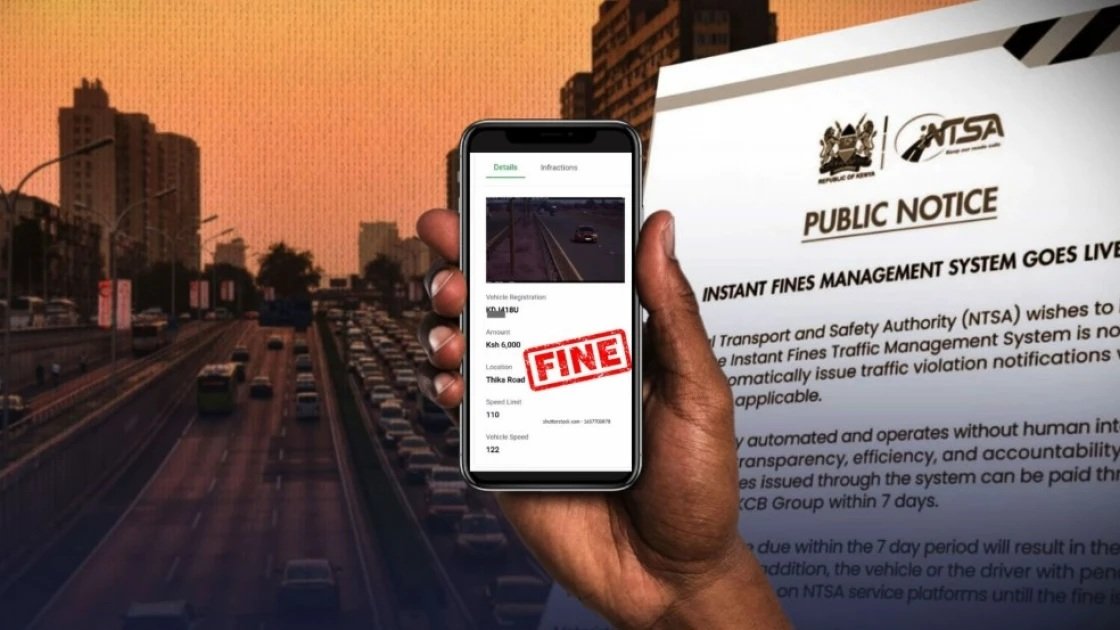

Motorists across Kenya have received a temporary reprieve after the High Court issued conservatory orders barring the enforcement of instant, automated traffic fines. The ruling, delivered on Thursday morning, targets the recent digital shift by the National Transport and Safety Authority (NTSA) to penalize road users through automated surveillance and algorithmic systems.
Justice Bahati Mwamuye, presiding over the matter, restrained the NTSA and the Office of the Attorney General from issuing, generating, demanding, or enforcing any traffic penalties produced through these automated decision-making platforms. The suspension remains in place as the court evaluates the legality and the framework under which these systems operate.
The push for automated fines was part of a broader government strategy to enhance road safety and reduce human interaction between traffic officers and motorists. By utilizing cameras and speed-sensing technology, the NTSA aimed to streamline the identification of offenders and the immediate issuance of notifications via mobile platforms.
However, the implementation of these "instant fines" has faced significant scrutiny regarding the lack of human verification and the potential for technical errors within the algorithms. Legal experts have previously raised concerns over the right to a fair hearing, arguing that automated systems often bypass the traditional judicial processes, where a motorist can contest a charge before a penalty is paid.
The court order specifically mentions "algorithmic or other automated decision-making systems," a phrasing that covers a wide array of tech-driven enforcement tools currently being deployed on major highways and urban centers. The NTSA has been increasingly relying on these digital monitors to manage the heavy traffic flow in Nairobi and on the busy Northern Corridor.
This judicial intervention comes at a time when the transport sector is undergoing rapid digitization. While the government maintains that technology is the most efficient way to curb road carnage and corruption, the court’s decision signals a need for a more robust legal framework to govern how these technologies interface with the rights of the citizen.
For now, the NTSA must halt the generation of these digital tickets. This pause provides an opportunity for a deeper review of how traffic data is collected and processed, and whether the current automation aligns with the constitutional requirements of the Kenyan legal system.
The case is expected to draw significant interest from transport stakeholders and digital rights advocates who have been tracking the expansion of surveillance technology in the public space. The outcome of the full hearing will likely set a major precedent for how AI and automated systems are integrated into public service and law enforcement moving forward.
Comments (0)
Leave a Comment
No comments yet. Be the first to share your thoughts!