
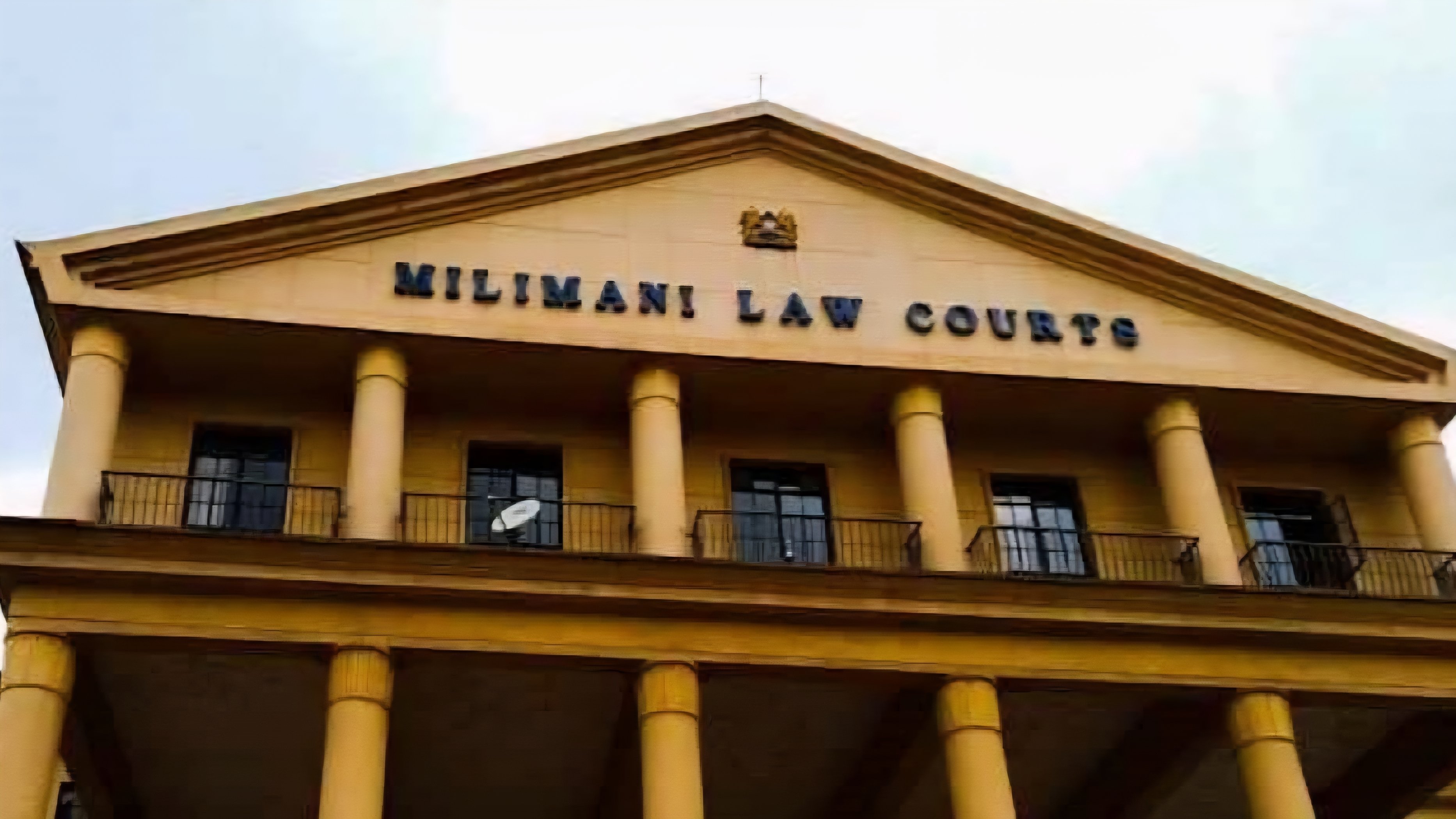

The High Court in Kerugoya has issued conservatory orders stopping the National Transport and Safety Authority from proceeding with its second-generation smart driving licence programme and linked automated traffic fines system.
Justice Dennis Kizito granted the orders in a petition filed by the Road Safety Association of Kenya. The ruling freezes the 21-year public-private partnership between NTSA and the Pesa Print Limited consortium for the design, supply, installation and maintenance of the smart licences, automated enforcement and related services.
The decision blocks the June 1, 2026 rollout. Motorists who expected new digital licences with chip technology, instant fine payments, mobile wallets and a merit-demerit points system will continue under the existing framework for now.
NTSA had promoted the project as a way to replace outdated physical licences and introduce camera-based automated enforcement. Offences like speeding would trigger SMS or online notifications with quick payment options. Officials argued it would cut roadside corruption and strengthen road safety.
The petitioner challenged the legality of the PPP arrangement, raised privacy concerns, questioned due process in automated fining and highlighted risks of errors in the system. The court’s suspension prevents NTSA, the Attorney General and other parties from issuing new licences, enforcing automated penalties or taking related steps until the petition is fully heard.
This marks another legal setback for the automated fines initiative. In March 2026, Justice Bahati Mwamuye issued similar orders in cases brought by groups including Sheria Mtaani and lawyer Shadrack Wambui. Those petitions focused on constitutional rights to be heard before penalties and potential flaws in algorithmic enforcement.
Road safety continues to pose serious challenges in Kenya. High fatality rates on highways and urban roads stem from poor enforcement and reckless driving. NTSA’s modernisation push formed part of broader efforts to professionalise traffic management and shift revenue collection away from manual systems prone to abuse.
The smart licence was designed with enhanced security features to reduce forgery and improve data integration. Under the PPP model, the private partner would manage much of the technology rollout, an approach used in other government projects but frequently criticised over costs and transparency.
For ordinary drivers, the pause means no immediate changes. Existing licences remain valid, and automated fines stay on hold. The development offers time for the full court process, where arguments on procurement, data protection and appeal mechanisms will take centre stage.
The case reflects wider tensions around introducing technology into public services while protecting citizen rights. Similar questions have arisen in other digital governance initiatives across Kenya.
NTSA has yet to issue a detailed response to the latest order. The authority previously defended the systems as essential for safer roads. The Road Safety Association petition now heads to an inter partes hearing for substantive arguments.
Legal experts anticipate close examination of the PPP procurement process and whether the automated penalties allow motorists fair opportunities to contest charges in court. The outcome could influence not only driving licences but also future tech-driven projects in other sectors.
In the interim, motorists navigate roads under current rules. The suspension provides space for consultation and possible refinements before any nationwide implementation.
This ruling once again shows the judiciary stepping in to scrutinise rapid public service upgrades. As Kenya pursues digital transformation, balancing efficiency, revenue goals and individual protections will remain central to such debates.
Comments (0)
Leave a Comment
No comments yet. Be the first to share your thoughts!