
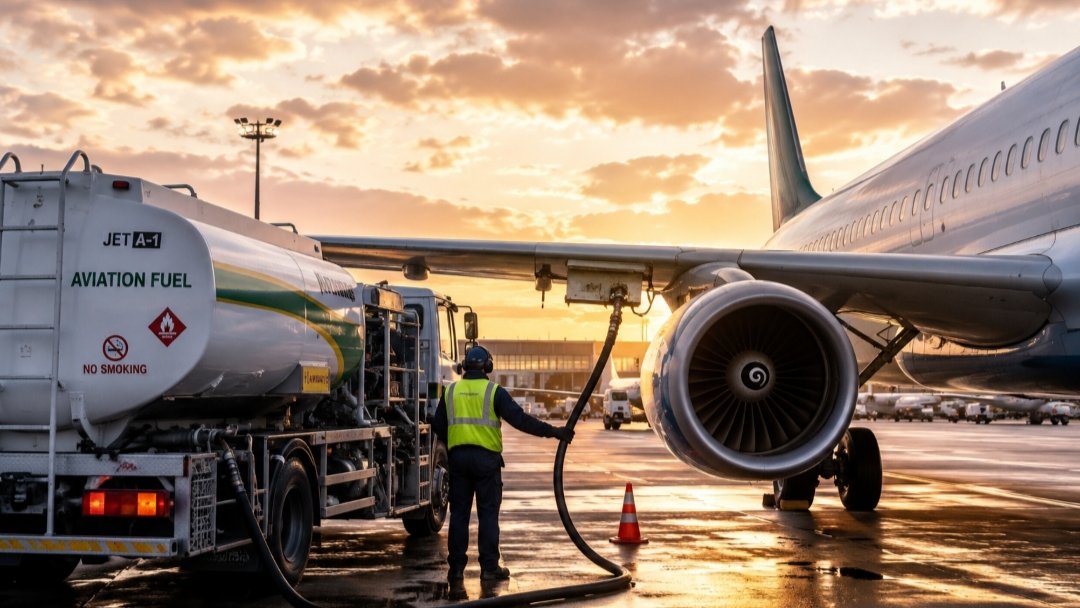

The recent closure of the Strait of Hormuz has exposed serious weaknesses in the global jet fuel supply system. The crisis showed how dependent many countries are on fuel flows from the Middle East.
Although fears of major shortages during the busy summer travel season have now eased the event raised important questions about long term reliability of jet fuel supply. More than 100000 flights take place every day around the world.
Jet fuel is the lifeblood of global travel. However supply and demand are not balanced geographically. Some regions produce more than they need while others rely heavily on imports.
Bloomberg analysed data from the 50 largest airline markets. Countries like the United Kingdom Australia Mexico France Germany and Vietnam emerged as particularly exposed during the crisis.
The United States played a major role in filling the supply gap. It increased jet fuel exports significantly to help stabilise markets. Other countries such as Nigeria also stepped up production.
Many European countries were among the most affected. They depend on imports for more than half of their jet fuel needs with a large portion traditionally coming from the Middle East.
The crisis highlighted the importance of strategic reserves. Countries with larger fuel stockpiles were better able to manage the disruption. Nations with low reserves faced more pressure.
Airlines responded to the situation in different ways. Some cancelled flights added refuelling stops or adjusted routes to manage fuel availability and costs. Higher fuel prices also affected ticket prices.
The event has prompted oil producers in the Gulf to explore ways of reducing dependence on the Strait of Hormuz. The United Arab Emirates for example is working on plans to bypass the chokepoint entirely.
This crisis serves as a wake up call for the aviation industry and governments. It shows the need for more diversified supply sources larger strategic reserves and better contingency planning.
For Kenya and other African countries the situation is a reminder of how global events can affect local air travel and fuel costs. Reliable jet fuel supply is important for tourism business travel and economic connectivity.
The Hormuz crisis may be easing but its lessons will likely influence future energy and aviation policies around the world.
Comments (0)
Leave a Comment
No comments yet. Be the first to share your thoughts!