

A version of this article appeared on Business Daily.
Witnessing agricultural produce rot before reaching the market inspired the creation of a major decentralized infrastructure network.
Dennis Karema developed the concept after watching his grandmother's harvested tea leaves wither at a local collection center in Murang'a County, highlighting severe post-harvest handling vulnerabilities across smallholder farming regions.
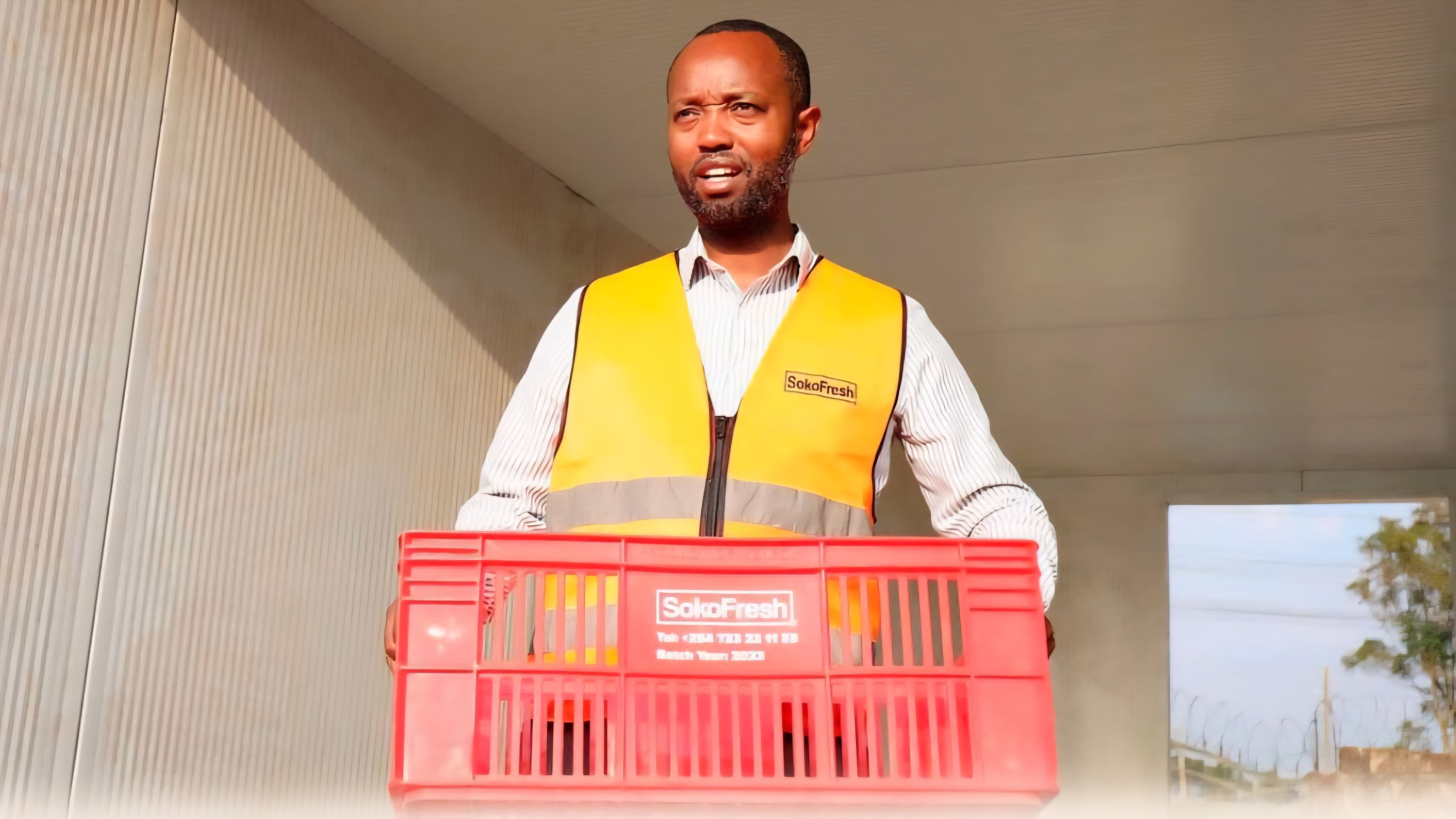
Today, his cold-chain enterprise SokoFresh manages 40 decentralized cold-storage units, representing an asset portfolio valued at more than $1 million. The off-grid infrastructure addresses widespread preservation gaps in rural communities, where lack of refrigeration forces farmers to sell fresh crops at discounted rates to avoid total spoilage.
According to data from the Food and Agriculture Organization (FAO), post-harvest losses in Sub-Saharan Africa account for substantial income reductions among smallholders. Cold-storage systems mitigate these systemic losses by extending produce shelf life, allowing producers to hold inventory until market prices stabilize.
The enterprise has expanded operations across 17 Kenyan counties, setting up localized preservation hubs directly at farm-gate levels. These modular infrastructure units run primarily on solar energy, enabling deployment in remote agricultural zones that lack reliable connection to the national power grid.
The business model has also begun crossing national borders to tap into broader regional markets. By decentralizing cold-storage infrastructure, the venture connects small-scale producers directly to institutional buyers and commercial processors, bypassing informal distribution channels that frequently compromise fresh yield.
Smallholder agriculture remains a primary driver of rural livelihoods across East Africa. However, inadequate cold-chain logistics, poor feeder road networks, and insufficient rural aggregation facilities continue to constrain sector yield.
Infrastructure developers are increasingly deploying decentralized cold-storage units as a low-cost alternative to massive centralized warehouse facilities. These localized cold hubs lower logistics expenses, as transport fleets move pre-cooled produce without immediate risk of thermal deterioration during transit to primary urban centers.
Karema's venture ultimately targets a broader operational horizon, aiming to expand cold-chain services to reach 100 million farmers across the region. The model highlights a growing shift toward specialized logistics infrastructure tailored for decentralized agricultural supply networks in emerging economies.
Comments (0)
Leave a Comment
No comments yet. Be the first to share your thoughts!