
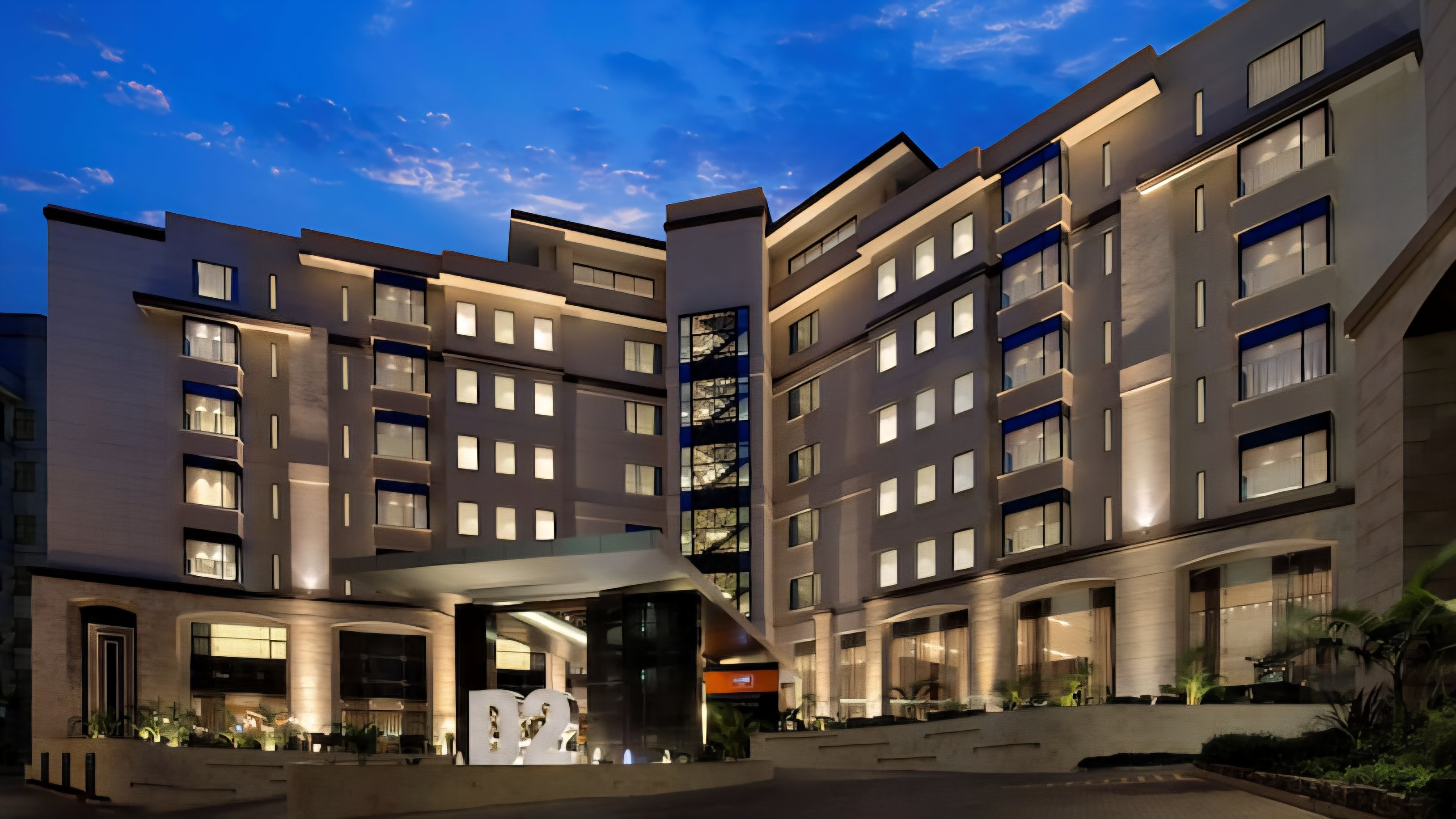

The Dusit D2 complex, a prominent feature of Nairobi’s commercial real estate landscape, stands at the center of a legal storm that has spanned over ten years. What began as a Sh710 million dispute has now reached a staggering Sh10.7 billion, following a series of court rulings and the relentless accumulation of interest.
At the heart of the matter is a failed 2011 agreement between Cape Holdings Limited, the developer of the complex, and Synergy Industrial Credit. The deal involved the purchase of residential blocks within the development, which eventually collapsed, triggering a protracted legal fight over refunds and damages.
The initial Sh710 million award was handed down by an arbitrator, but the developer challenged the decision. This launched a legal odyssey that moved through the High Court, the Court of Appeal, and eventually the Supreme Court. Each level of the judiciary added years to the timeline, allowing the debt to grow.
In 2021, the Supreme Court dealt a definitive blow to the developer by dismissing an appeal against the arbitration award. This paved the legal path for Synergy Industrial Credit to pursue the debt, which by then had already crossed the Sh5 billion mark due to compounded interest rates.
By the time the matter returned to the lower courts for execution, the figure had doubled again. The Sh10.7 billion total includes the principal award, substantial interest, and various legal costs accumulated since the original dispute began.
The complexity of the case was compounded by attempts to place the property under administration, a move that Synergy Industrial Credit successfully contested in court. They argued that the administration was a tactic to delay the inevitable settlement of the debt.
The planned auction of the Dusit D2 complex represents one of the largest forced sales of commercial property in Kenyan history. It serves as a stark reminder of the financial risks associated with long-term litigation in the construction and real estate sectors, where delays often translate into uncontrollable costs.
Court documents indicate that the auction would include the entire 14 Riverside Drive development, comprising the hotel, office blocks, and additional amenities. The sheer scale of the debt makes it difficult for any individual entity to cover the liability without a total liquidation of the asset.
While the developer has made several last-minute attempts to stop the hammer from falling, the legal avenues appear to be narrowing. The judiciary has shown little appetite for further delays in a case that has already exhausted the country's highest legal channels.
As the deadline for the planned auction approaches, the industry is closely watching the outcome. This case underscores the importance of clear contractual terms and the devastating impact that interest-heavy arbitration awards can have on even the most high-profile infrastructure investments in the region.
Comments (0)
Leave a Comment
No comments yet. Be the first to share your thoughts!