


Construction on the Anderson Park Residence began in July 2024. The project is redeveloping the 63-year-old Anderson-Ofafa Estate in the heart of Kisumu City. It aims to create a modern high-density mixed-use development on the site.
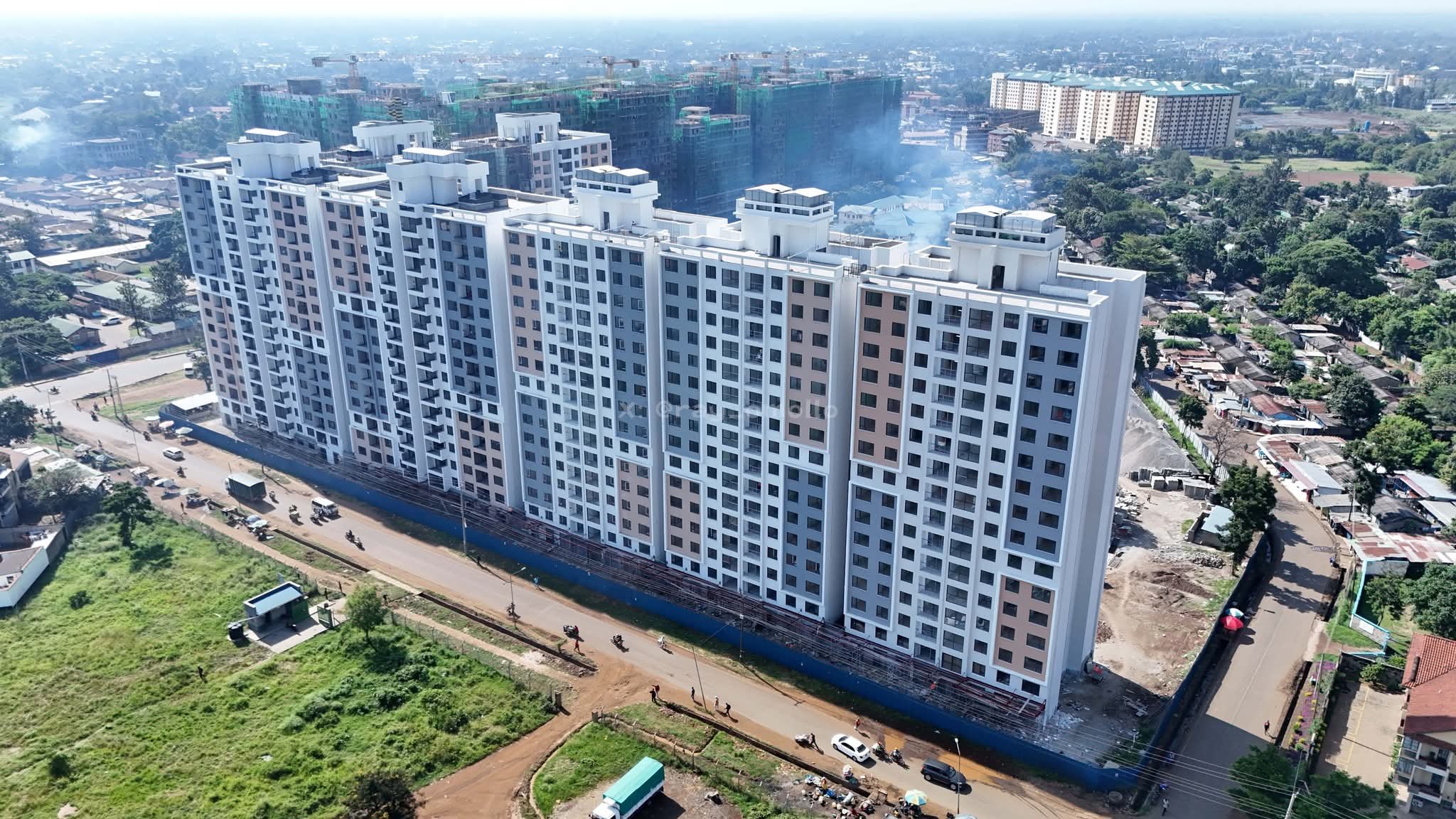
The initiative comes as a joint partnership between the Kisumu County Government and the County Pension Fund CPF LAPTRUST. Phase one covers seven residential blocks. These will hold 681 apartments when complete. The mix includes 31 one-bedroom units, 464 two-bedroom units and 186 three-bedroom units. Another 65 retail shops will operate at street level across the blocks.

Designs for the apartments incorporate several built-in services. Centralized piped cooking gas supplies the units. High-speed elevators connect the floors. A full backup power system stands ready for outages. Borehole water supply serves the complex. Fibre-optic lines provide internet connectivity.
Additional features will roll out in later stages. Phase two includes a swimming pool. Plans also call for a gymnasium and a rooftop residents' lounge. Street-level commercial spaces are positioned to link the residence directly with Kisumu's growing central business district.

Kisumu has experienced steady population growth. Major infrastructure investments and broader economic activity have drawn more people into the urban area. This has sharpened demand for modern housing in established central locations like the Anderson-Ofafa site. The redevelopment keeps new units within the original estate footprint instead of expanding outward.
Current progress shows multiple multi-storey blocks already standing. Their exteriors feature repeating patterns of white, grey and beige panels. Construction materials and equipment remain active around the base. The rising structures are beginning to alter the immediate urban skyline and street presence.
The project has generated employment during the building phase. Retail and service spaces in the completed development should support additional commercial activity for residents and the surrounding neighbourhood.
Support structures for the work come from the State Department for Internal Security and National Administration. Urban coordination frameworks help maintain orderly operations on site. They also work to protect public utility connections and assist the new buildings in fitting smoothly into Kisumu's evolving metropolitan layout.
This kind of public-private arrangement brings county land resources together with pension fund capital. It follows patterns seen in other Kenyan urban housing efforts that seek both immediate accommodation and sustainable investment returns for fund contributors.

The estate itself carries history in Kisumu. Established more than six decades ago, its redevelopment reflects wider changes in how the city manages its central land. Older low-density housing gives way to taller, more efficient buildings while preserving the location's advantages near existing roads and services.
Interior concepts for the units lean toward open layouts. Large windows and contemporary finishes feature in the plans. These choices target a standard suitable for urban professionals and families seeking convenience in the city centre.

Kisumu continues to position itself as a key regional centre in western Kenya. Improved connectivity through roads, rail and other infrastructure adds to its pull. Housing projects in prime spots like this one form part of the response to that momentum.
Phase one marks the start of a fuller transformation for the Anderson-Ofafa area. Work across the seven blocks continues. When finished it will contribute a substantial block of new residential and commercial capacity right in the urban core.
Comments (0)
Leave a Comment
No comments yet. Be the first to share your thoughts!