
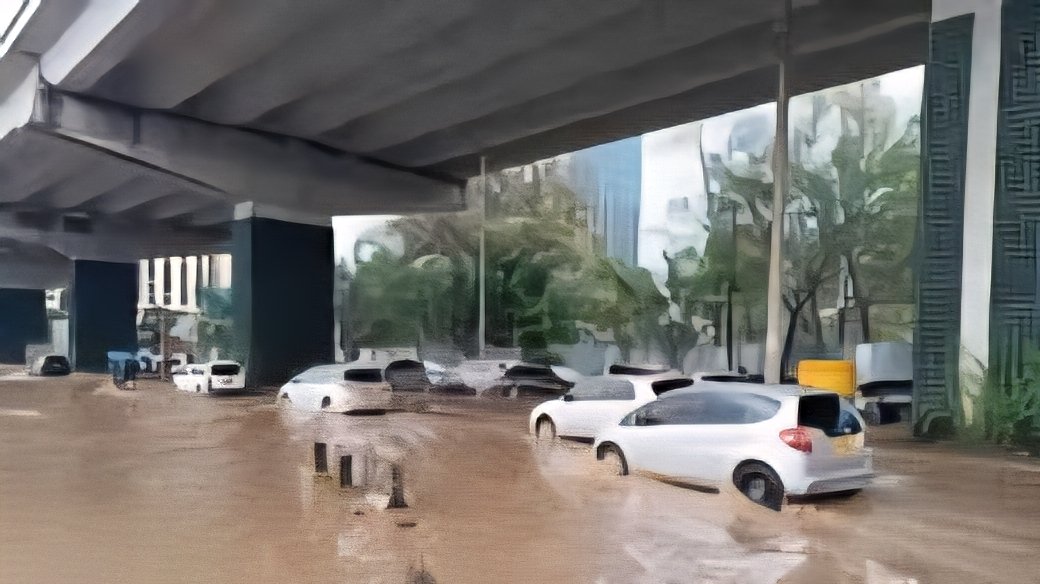

Nairobi is currently grappling with the aftermath of a catastrophic flooding season, which has turned its roads into rivers and its suburbs into swamps. The scale of the destruction has forced a difficult conversation regarding the city's rapid, often unchecked, urban expansion.
For years, the capital has seen a massive surge in high-rise developments and paved surfaces. This concrete cover prevents rainwater from absorbing into the ground, instead channeling it into a drainage system, that was designed for a much smaller population.
Engineers and urban planners have long warned that the city’s reliance on colonial-era infrastructure is a recipe for disaster. Many of the original conduits are clogged with silt and plastic waste, reducing their carrying capacity to a fraction of what is required.
In informal settlements situated along the riverbanks, the situation is even more dire. Thousands of residents have seen their homes swept away as the Nairobi River burst its banks, reclaiming the floodplains that were never meant for human habitation.
The disaster is not just a result of heavy rains, but a systemic failure of building inspections and zoning enforcement. In many neighborhoods, developers have built over natural riparian lands, blocking the path of seasonal streams and traditional runoff routes.
As the water recedes, the cost of the damage to public infrastructure is becoming clear. Major highways have suffered surface erosion, and several bridges in the city's outskirts are now structurally compromised, requiring urgent man-hours to repair.
The government is now under pressure to implement a comprehensive master plan that prioritizes green infrastructure and sustainable drainage. Without a radical shift in how the city manages its growth, each rainy season will continue to threaten Nairobi’s economic stability.
Public works departments are currently identifying bottlenecks in the drainage network, although critics argue that these reactive measures are too little, too late. The focus must shift toward long-term resilience, rather than temporary patches to damaged roads.
Climate experts suggest that extreme weather events will become more frequent, putting even more strain on the city’s foundations. For a city that serves as a regional hub, the current state of its infrastructure is a significant bottleneck to progress.
Rebuilding will require a multi-agency approach, involving the national government, county officials, and private developers. It is a massive task, but one that is essential if Nairobi is to survive the next generation of environmental challenges.
Comments (0)
Leave a Comment
No comments yet. Be the first to share your thoughts!